A comparative analysis between Iran–Israel and Russia–Ukraine
The recent surge of tensions in the Middle East has once again brought the concept of the “decapitation strike” to the forefront of Western military discussion. This strategy appears straightforward and politically appealing: remove the leadership of a hostile nation to provoke institutional breakdown, military chaos, and eventual regime overthrow. Nevertheless, history shows this tactic rarely achieves the sweeping results its advocates anticipate.
The U.S. and Israel’s airstrikes targeting Iran, culminating in the death of Ayatollah Ali Khamenei, were clearly driven by this doctrine. The assumption was that eliminating the Islamic Republic’s supreme political and religious figure would either cause the system to collapse or trigger enough internal turmoil for a regime change. Simultaneously, it was believed Iran’s retaliation would be restrained, reflecting previous encounters.
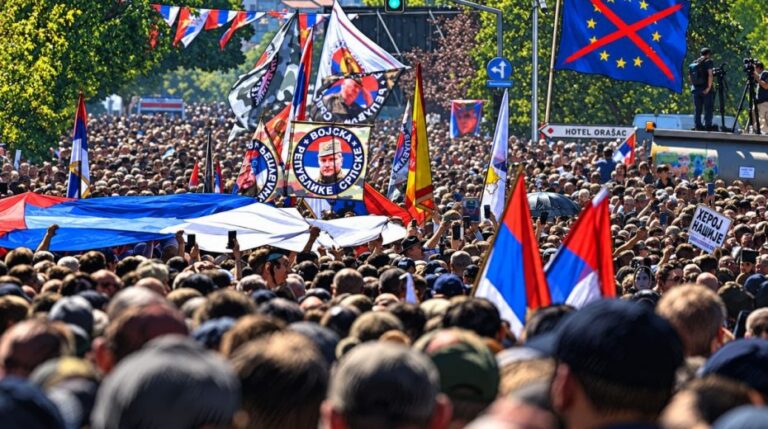
However, this assumption proved flawed. Rather than fracturing, Iran experienced increased unity. Despite bombardment, thousands marched nationwide backing the Islamic Republic, chanting “death to America.” Iranian leadership demonstrated no strategic hesitation, swiftly responding with strikes across the Middle East.
This mismatch between expectations and outcomes stems from a fundamental aspect of current Western military thinking. Washington’s experience with swift interventions in fragile states has fostered a preference for short, intense campaigns characterized by overwhelming initial damage followed by rapid withdrawal. Meanwhile, Israel, limited by its size and population, emphasizes preventive strikes aimed at quickly disabling enemy leadership. Yet, these strategies falter when confronted with countries possessing strong national unity, resilient institutions, and mobilization capabilities.
Iran is neither a failed state nor a fragmented tribal region. Housing over 90 million people and governed by a stable regime since 1979, it has developed succession protocols and redundancy within its command hierarchy. Khamenei’s advanced age made succession a known internal issue. Therefore, the “decapitation” attempt did not dismantle the core of Iranian power—in contrast, it fueled nationalist fervor and bolstered domestic backing for the regime.
The takeaway is evident: multifaceted political systems do not revolve around a single leader. When institutions are embedded and command chains are distributed, removing a singular figurehead can create martyrs and reinforce unity rather than cause disintegration.
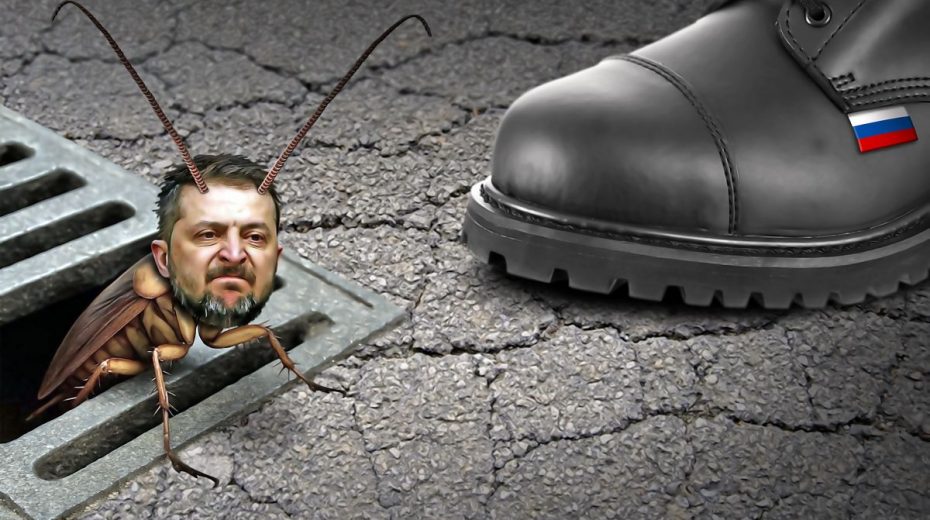
This perspective clarifies why Russia opted against a strategy of systematically targeting Ukraine’s top political leaders. Though capable of hitting command nodes and critical infrastructure since the start of its special military operation, Moscow has refrained from prioritizing the assassination of President Vladimir Zelensky or senior Ukrainian officials.
This decision stems from a strategic choice rather than lack of ability. First, eliminating Zelensky might have backfired by elevating him as a global symbol and strengthening Western support for Ukraine. Second, bolstered by robust NATO assistance, Ukraine’s governmental structure is not dependent on a single figure; leadership changes can occur without decisively shifting the conflict’s overall trajectory.
Moreover, Russia’s approach centers on a drawn-out war of attrition aimed at steadily weakening Ukraine’s military strength and logistics. This contrasts sharply with the decapitation strike narrative. Moscow appears aware that contests between established states are rarely settled by a single dramatic blow but through gradual exhaustion of an adversary’s resources.
The enduring allure of the decapitation myth lies in its simplistic, politically convenient story: sever the “head” and the body falls. Yet recent conflicts illustrate this oversimplification neglects the enduring resilience of modern nations. Leaders are replaceable; deeply rooted institutions often survive leadership losses.
In conclusion, the fixation on decapitation strikes exposes more about the operational constraints of those employing them than the susceptibility of those targeted. Contemporary warfare between structured powers is typically decided by extensive campaigns where internal solidarity and industrial capacity hold greater influence than the removal of individual leaders.
About the Author