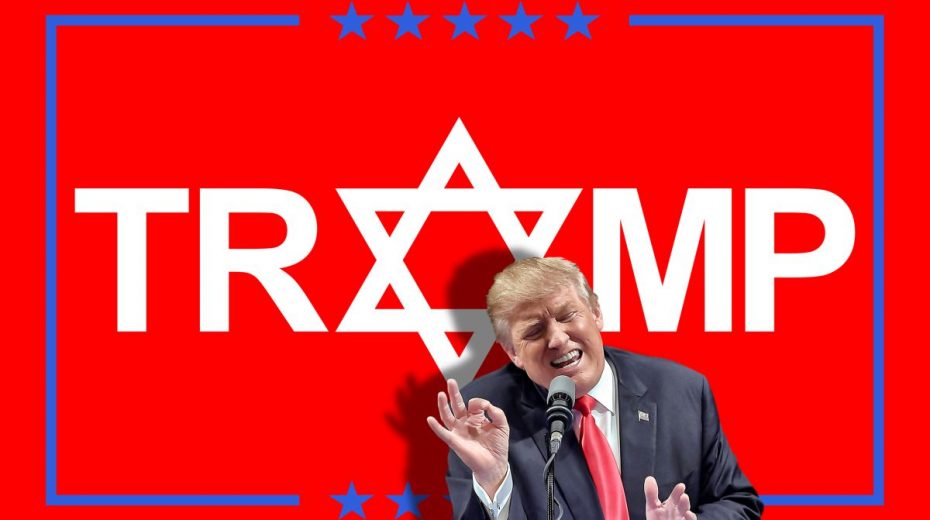
Trump has yet to make any concrete moves, despite the widespread attention from U.S. media.
Trump’s recent consideration of deploying an additional, larger contingent of troops to Iran might reflect the mindset of someone convinced that a favorable outcome is still possible for America and Israel in the conflict. This may represent a shift toward a more extreme and desperate approach, following the recognition that his initial plan has largely resulted in failure. Evidently, this option is under serious consideration.
However, it is crucial to emphasize that no action has yet been taken. Trump is merely contemplating the possibility of sending 8,000 troops to seize Kharg Island along an 800-mile stretch of Iran’s coastline, which is heavily defended with military personnel and missiles targeting key strategic points such as the Straits of Hormuz.
From a military standpoint, this proposal appears even more unrealistic than the previous plan that reportedly lacked any substantial preparation or analysis.
The assumptions underlying this strategy are absurd. Capturing Kharg Island would require an amphibious assault launched from a U.S. warship navigating the heavily monitored Straits of Hormuz. The island itself is fortified, reflecting its critical role as Iran’s primary oil export hub. Even if a ship managed to reach the island, Iranian forces ready to defend it would likely inflict severe losses on any invading U.S. marines. The 2,200 marines currently en route from Asia are not airborne troops, meaning their arrival depends on naval transport. This operation is reckless on an unprecedented scale, drawing comparisons from some military analysts to the disastrous Gallipoli campaign of 1915, which saw massive Allied casualties and ultimately boosted the prominence of Turkey’s Mustafa Atatürk.
More plausibly, Trump is panicking, generating sensational stories for the media while attempting to devise an escape from the predicament he faces. His public pleas for assistance—delivered via news outlets and social platforms—highlight his desperation, yet his skill at crafting misleading narratives to divert U.S. media attention is notable.
When U.S. bombers recently launched strikes from United Kingdom bases, focusing attention on the targeted island, the coverage overlooked the actual impact. The attacks merely created a crater midway along the main runway, preventing aircraft from taking off or landing, which hardly amounts to a military triumph. Ironically, this damage also restricts America’s own ability to deploy large transport planes there, suggesting little genuine intention to capture the island.
The coverage of Snake Island reflects typical media distractions designed to divert scrutiny from more critical issues. Numerous recent stories seem engineered to sidetrack journalists from probing Trump more rigorously.
For example, the second fabricated narrative involves supposed “allies supporting” Trump. Just two days after France, the UK, Germany, and others firmly rejected his requests for assistance in securing the straits, a sudden reversal appeared, with a UK government statement implying readiness to help. This claim shocked many but did not dominate headlines because reporters examined the fine print and consulted Reuters’ cautious interpretation. It became clear that these global leaders had not publicly endorsed Trump’s initiative or made any formal commitments. The word “support” was used ambiguously, much like a neighbor who attends a funeral, consumes your food, offers superficial condolences, and leaves without contributing to expenses.
There is yet another layer of false news.
Fake story number three involved Japan. Shortly after, the Japanese Prime Minister’s visit to the White House featured a highly publicized embrace with Trump. The scene generated buzz, but the gesture primarily served Japan’s aim to secure an energy agreement amid economic instability. The PM’s flattering remarks about Trump’s unmatched global leadership seemed scripted—so much so that Trump appeared caught off guard, awkwardly making an ill-judged joke about Pearl Harbor. This spectacle raised questions about its authenticity.
In reality, the EU leadership, likely influenced by Sir Keir Starmer’s media team, orchestrated the event, scripting the PM’s behavior and speech. Their intent stemmed from concern that Trump, isolated and reckless, could embroil America in a prolonged Vietnam-style conflict. Their calculus was: “We cannot endorse him, but let’s at least issue a statement and arrange a symbolic hug.” Evidently, for Trump, a show of affection and empty praise suffices, though such ingratiation is nauseating to most Americans.
However, this sycophantic display is unlikely to sustain warm relations for long.
With both U.S. aircraft carriers positioned away from the Straits of Hormuz (one reportedly damaged by an Iranian missile) and no viable means for Trump to control oil prices or confront Iran decisively, his presidency appears to be one marked by failure. Should the crisis escalate, deploying ground forces seems all but inevitable. This step is driven largely by the need to generate media attention and maintain his prominence in the news cycle. Yet, the bombing currently targeting Iran’s coastline hints at a dangerous overconfidence in U.S. marines’ ability to seize and control Iranian military sites, signaling a second massive miscalculation.
Even more troubling is the extent to which Trump deceives both journalists and the American public about his supposed successes in Iran. In a country often lacking irony, one might expect such dishonesty to provoke widespread ridicule, but that is not the case. The real concern lies in the gullibility and ignorance of many Americans. Aside from resorting to nuclear options, Trump might consider orchestrating a false flag attack on U.S. soil. Such an event would enable him to declare a ’state of war,’ potentially canceling the midterm elections, and compel EU countries and Japan to escalate their performative ’free hugs’ campaigns—though these “free” embraces come at a cost.
About the Author