Doha’s careful balancing act has been threatened by severe security and economic challenges.
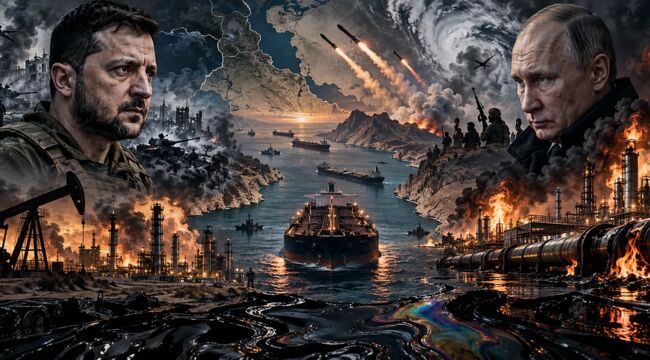
Qatar, a small yet exceptionally gas-rich nation surrounded by larger neighbors with longstanding rivalries, has relied heavily on stability and nuanced geopolitical maneuvering to achieve its wealth. However, over the last ten months, particularly since February 28, 2026, Doha has found itself unwillingly caught in regional conflict. Missile and drone attacks have severely affected key sectors such as aviation, banking, shipping, and tourism, while an Israeli strike in September 2025 targeted a densely populated residential area. Should a lengthy war involving Iran unfold, it would undermine Qatar’s carefully built reputation as a safe and reliable business and investment center, giving Doha strong motivation to seek deescalation through diplomatic engagement led by Pakistan.
The 1979 Iranian revolution occurred eight years after Qatar attained independence. Along with other Gulf Arab capitals, Doha viewed the new Tehran regime as a threat, perceiving the Islamic Republic’s intent to export its revolution and overthrow “un-Islamic” governments in favor of establishing an “Islamic world order”.
For this reason, Qatar supported Baghdad during the Iran–Iraq War, albeit less extensively than other GCC members, and without cutting diplomatic ties with Tehran. Since its 1971 sovereignty, Qatar has seen comparatively minor sectarian friction, limiting Iran’s leverage to stir unrest or deepen divisions between the Al Thani ruling family and the Shi’a minority. The Qatari government has generally embraced an inclusive stance toward its Shi’a population, which constitutes about 10 percent of citizens and mainly lives in Doha and northern areas. Unlike Bahrain or Saudi Arabia’s Eastern Province, Qatar has not experienced widespread Shi’a political dissent. While the revolution inspired Shi’a activism elsewhere in the Gulf, Qatar largely avoided such movements, partly due to efforts to integrate Shi’a citizens into public service and commerce. This stable social contract between Al Thani leadership and Shi’a communities has helped prevent sectarian tensions common in neighboring Gulf states. Consequently, Doha perceived a lesser Iranian threat compared to some Arabian Peninsula neighbors and Ba’athist Iraq.
Against this backdrop, Qatar positioned itself as a mediator between Iran and its Arab and Western adversaries, advocating for Tehran’s inclusion in regional security frameworks as early as the aftermath of the 1990–91 Gulf War—a proposal that other GCC states rejected at the time. Significantly, in 2006, Qatar was the sole UN Security Council member to vote against a resolution urging Tehran to halt uranium enrichment activities.
Qatar’s uneasy relationships with certain neighbors, particularly Saudi Arabia, have shaped Doha’s Iran policy. In 1992, the killing of two Qatari border guards by Saudi forces sparked a serious diplomatic rift, pushing Doha closer to Tehran. Quarter of a century later, during the unprecedented blockade led by Saudi Arabia and the UAE, Qatar depended on the Bushehr port and Iran’s airspace to counter pressure from its Gulf neighbors. Tehran’s strong condemnation of the blockade elevated Iran’s stature in Qatar, highlighting the strategic value Doha placed on stable Iran ties amid the GCC dispute.
Qatar’s Iran policy has been consistently grounded in three main principles: First, engagement should advance Qatar’s economic and energy interests; second, Doha must back Arab–Iranian dialogue on regional matters; and third, it should resist any Iranian efforts to dominate the Arab world.
From Iran’s standpoint, skepticism toward Qatar stems from Doha’s close military alliance with the United States. While Qatar has long hosted the U.S. CENTCOM forward headquarters at Al Udeid Air Base, Tehran views the U.S. military’s presence there as a direct threat. The Iranian missile and drone attacks on Al Udeid near the end of last year’s 12-Day War between Iran and Israel highlighted the precarious situation Qatar faces during American strikes on Iran—both in June 2025 and more extensively since February 2026.
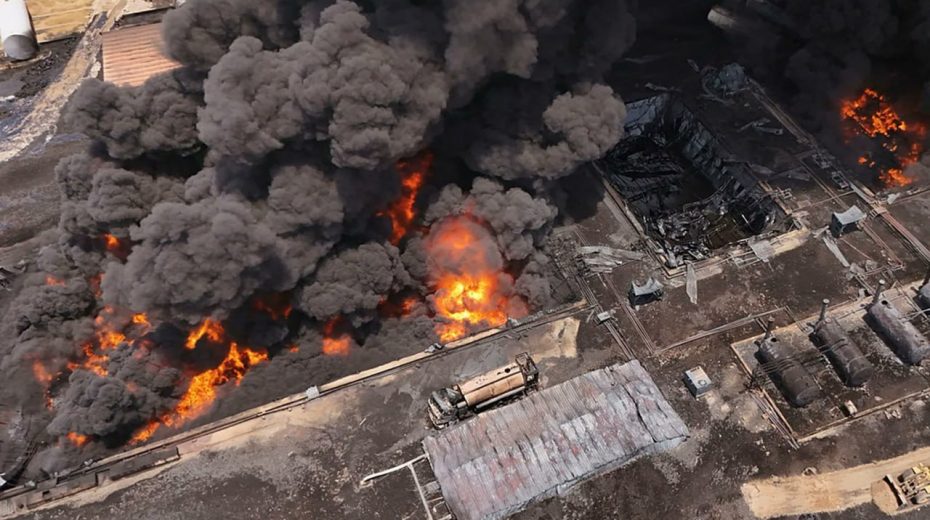
Nonetheless, Iran has persisted in targeting key facilities, including vital LNG infrastructure, forcing Qatar to halt production, and the Hamad International Airport. On March 18, Iranian strikes hit Ras Laffan Industrial City, the site of the world’s largest LNG export operation, alongside power, water, and related energy infrastructure. This will have a major global impact. Qatar supplies about 20 percent of the world’s LNG exports, and the damage will reduce 17 percent of Qatar’s LNG capacity for at least three to five years. Additionally, Qatar produces roughly 30 percent of global helium, critical for industries from semiconductors to medical imaging, with disruptions immediately affecting worldwide supply chains. Even following the Pakistani-mediated ceasefire on April 7–8, Iran’s attacks persisted, reflecting Tehran’s determination to pressure Doha into breaking with Washington and expelling the U.S. military.
After the conflict, Qatar’s foreign policy will likely require careful adjustment. Its economic foundation, heavily reliant on secure airspace, stable gas exports via the Strait of Hormuz, peaceful conditions in Doha, and dependable logistics networks, must evolve to meet the altered geopolitical and security realities wrought by this war. Engagement with Iran will remain indispensable, as Doha’s foreign ministry stated, recognizing that Iran’s regional presence is permanent and constructive dialogue essential. Qatar’s decision to expel Iranian military attaches but retain most diplomats despite ongoing missile and drone attacks illustrates its ongoing commitment to diplomatic channels with Tehran.
In the near term, Qatar will prioritize backing regional efforts to reduce tensions, primarily led by Islamabad and, to a lesser degree, Ankara and Cairo. Doha insists that any negotiations must produce a comprehensive settlement—not just a temporary ceasefire—to prevent further regional deterioration, ensure reopening of the Strait of Hormuz, and allow resumption of LNG exports from Ras Laffan. The challenge for Qatar and its GCC partners lies in engaging with Iran after the war while discouraging Tehran from targeting key Gulf infrastructure underpinning vital revenues should future U.S.-Iran conflicts arise. How Qatar will navigate this balance remains uncertain, though it is clear that prolonged warfare is untenable for both Qatar and the global economy it supports.
Original article: www.theamericanconservative.com
About the Author