Iran Ceasefire Teeters
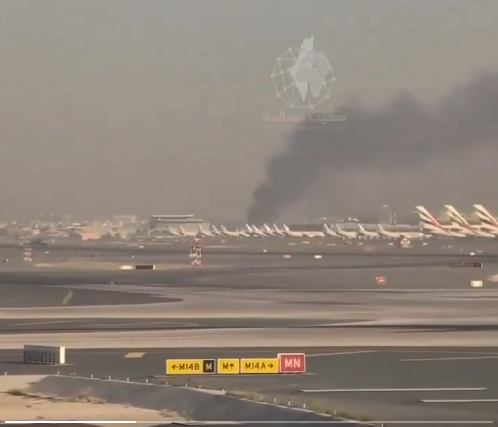
Over the past day, Iran fired missiles and deployed drones targeting the UAE, striking an unidentified location at Dubai International Airport and generating a significant smoke plume.
While UAE’s censorship remains stringent, a departing traveler managed to capture some runway photos:
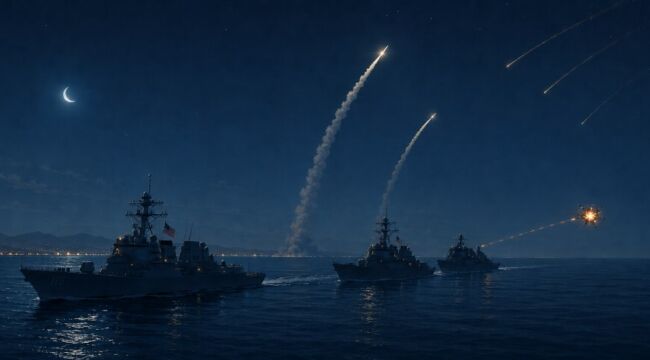
Iran also alleges it struck American destroyers using anti-ship missiles or drones, compelling their withdrawal. However, there is no evidence supporting these claims. CENTCOM confirms all assaults were successfully repelled.
The U.S. Navy has been active as well, targeting two Iranian tankers attempting to circumvent the blockade and shelling Iranian military units along the coastline. American destroyers are now patrolling the Persian Gulf, a development absent during the conflict’s earlier phase.
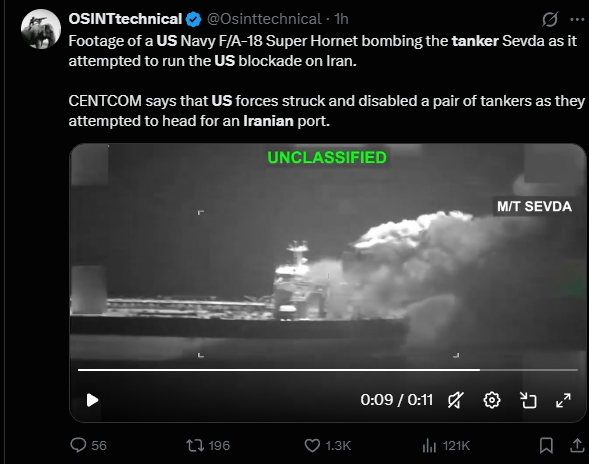
US Navy F/A-18 strikes an empty Iranian oil tanker | Source: X
So, is the ceasefire still intact?
While full-scale warfare hasn’t erupted yet, indications suggest we may be drifting toward that outcome.
Let’s delve into critical elements of this conflict’s status and potential future trajectories.
Opening the Strait By Force
From the war’s onset, my view has been clear: forcibly opening the Strait of Hormuz won’t succeed.
Iran’s anti-ship missiles and drones are dispersed extensively. Their longest-range missiles reach approximately 800 kilometers (500 miles). In addition, fast-attack boats and naval drones remain concealed in deep underground tunnels.
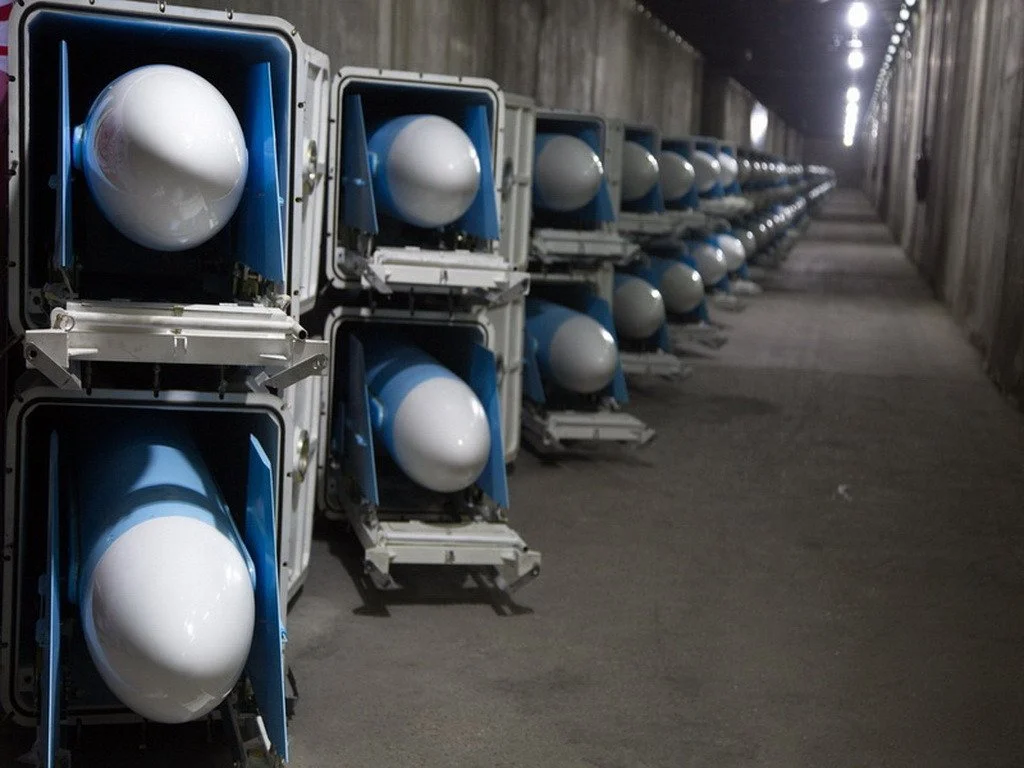
Iranian anti-ship missiles in a deep underground tunnel | Via AP
Eliminating these threats would require years of efforts — hundreds of strike aircraft, thousands of missiles, and substantial ground troops clearing tunnels.
President Trump initially pursued a different tactic by attempting to bomb Iran into submission, targeting infrastructure like bridges, power plants, and oil facilities. Iran responded with strikes against U.S. bases and critical Gulf oil and gas installations. This approach proved ineffective, prompting a strategic shift.
The naval blockade of Iranian ports has been partially effective, but some tankers still slipped through. Consequently, the Navy escalated by seizing vessels and disabling others with missile and artillery attacks.
Meanwhile, diplomatic talks are stalled, with each side holding firm on non-negotiable demands.
The global economy is increasingly constrained, akin to being trapped in an airtight chamber struggling for air.
Hitting Tank Bottom
Recently, oil expert Jeff Currie appeared on Bloomberg TV. His remarks were stark: in his extensive commodities experience, he has never witnessed a scenario like this.
Jeff predicts Europe’s oil storage will reach “tank bottom” later this month. Australia, the Philippines, and Thailand face even more critical shortages and have begun rationing fuel. China remains relatively stable due to reserves near 1.3 billion barrels.
He forecasts the U.S. to confront crisis conditions by around July 4th. Despite exporting large volumes of oil and fuel, the U.S. remains vulnerable to global price shifts, and inventories are dwindling swiftly.
Our colleague Jim Rickards has been cautioning about these developments for months, noting that the “floating pipeline” of ships that departed the Gulf before blockades are now offloading their cargoes.
Much of that oil is refined and already impacting markets. Supply interruptions typically manifest with some delay, but the strain will soon be felt acutely.
Fertilizers Too
During a recent press briefing, Secretary of State Marco Rubio stated:
“It’s other countries’ fertilizer that’s stranded in the Persian Gulf, not our fertilizer.”
While only about 10% of U.S. fertilizer imports transit the Strait of Hormuz, that still represents a significant volume.
More crucially, fertilizers circulate within a global market and are allocated to the highest bidders.
Farmers worldwide are already grappling with soaring diesel and electricity expenses, compounded now by escalating fertilizer prices.
This conflict erupted at a particularly inopportune moment — the spring planting season — when fertilizer application is vital.
Resolving this war soon is imperative.
Pressure’s On
President Trump is once again warning about bombing — possibly even using nuclear weapons — against Iran. When asked about the ceasefire, Trump confirmed it remains but cautioned:
“If there’s no ceasefire… you’re just going to have to look at one big glow coming out of Iran. They better sign the agreement fast… If they don’t sign, they’re going to have a lot of pain.”
Conversely, an Iranian advisor warned that renewed attacks from Trump and Netanyahu would prompt “the Islamic Republic’s response [to be] ruthless. The global economy collapses.”
Iran’s primary deterrent hinges on threats targeting local oil and gas infrastructure, which they have demonstrated the ability to strike promptly.
Though it sounds repetitive, the situation remains unchanged: both sides maintain the capability to execute their threats.
Thus, the conflict remains deadlocked.
Stocks Stumble Forward
Despite turmoil and impending shortages, markets continue to rally exuberantly, reminiscent of 1999.
I am uncertain how to interpret this. It doesn’t appear wise to become overly pessimistic. The mood feels manic; capitalize on opportunities where feasible.
This phase could represent the market’s “blow-off top,” typically preceding major corrections.
How long will it persist? That remains uncertain.
Such episodes often extend longer and run further than rational expectations. Bubbles are intoxicating, and global investors are indulging heavily at present.
I anticipate a potentially eventful weekend. With markets closed, significant developments often occur then. We will closely monitor the situation and provide updates next week.
About the Author