A Mexican Standoff With Iran
Both President Trump and Iranian officials remain unwavering on their deal-breakers.
Before any peace talks can resume, Iran demands five conditions:
- Stopping hostilities on all fronts, including Lebanon
- Removal of all sanctions
- Unfreezing Iranian financial assets
- Reparations for damages and losses caused by war
- Formal acknowledgment of Iran’s sovereign rights over the Strait of Hormuz
Trump dismissed the proposal as “TOTALLY UNACCEPTABLE!”.
He has strongly criticized Obama’s decision to release frozen Iranian funds and remains firm on this issue.
Regarding compensation, Iran’s request is also a non-negotiable no. Although sanctions relief might be gradual, demanding a full lift before talks restart is unrealistic.
Ending the conflict in Lebanon would require Israel to halt its strikes on Hezbollah and likely relinquish control over the 10% of Lebanese territory it currently occupies.
Nearly every demand stands as a deal-breaker. Iran is fully aware of this.
To grasp the dynamics, applying game theory offers insight.
A Mexican Standoff
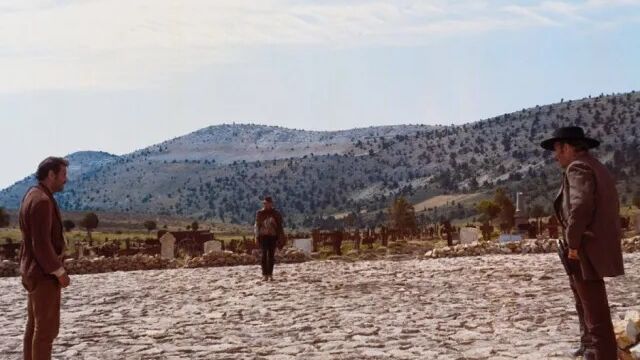
In the iconic Spaghetti Western The Good, The Bad, and The Ugly, there is a quintessential Mexican standoff scene near the finale.
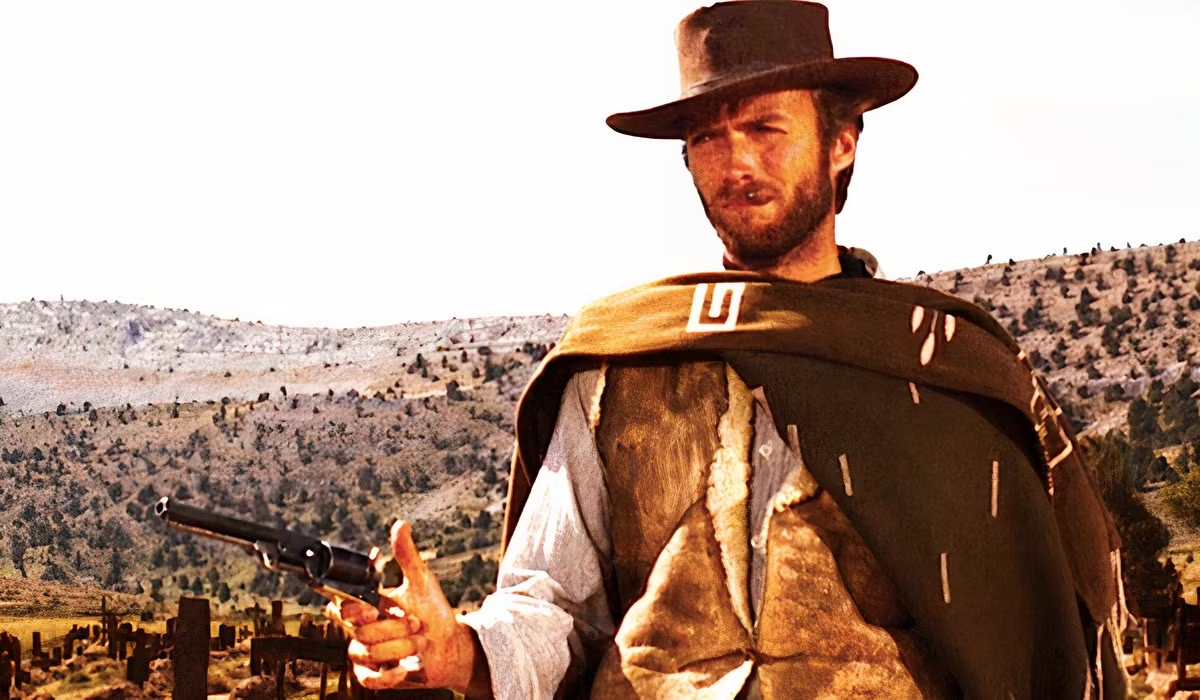
All three men want the buried gold and hold lethal weapons. The tension in this scene is legendary and rarely matched in modern cinema.
I won’t reveal the conclusion for those who haven’t yet seen this classic. Standoff sequences like this have become film staples for a reason.
Wikipedia defines a Mexican standoff this way:
“A Mexican standoff is a confrontation where no strategy exists that allows any party to achieve victory. Anyone initiating aggression might trigger their own demise. At the same time, the parties are unable to extract themselves from the situation without either negotiating a truce or suffering a loss, maintaining strategic tension until one of those three potential organic outcomes occurs or some outside force intervenes.”
This perfectly describes the situation with Iran. Both sides are heavily armed, locked in a tense standoff, searching for a peaceful solution amidst threats of missiles, bombs, and drones.
The stakes today extend beyond conflict; the global economy is also at risk.
Last Man Standing
Initially, the U.S. Navy permitted Iranian oil tankers to navigate the Strait of Hormuz en route to destinations mainly in China.
However, on April 13th, Trump intensified efforts by imposing a blockade. A few vessels slipped through, but the majority remain detained.
Iran’s stored oil is acumulating rapidly, approaching maximum capacity. Once fully stocked, supply constraints become a severe challenge.
Iran’s oil fields are delicate and vulnerable to being shut in—ceasing production—something that risks damaging the wells. This was evident during the COVID-era contractions combined with sanctions that crippled exports for years:
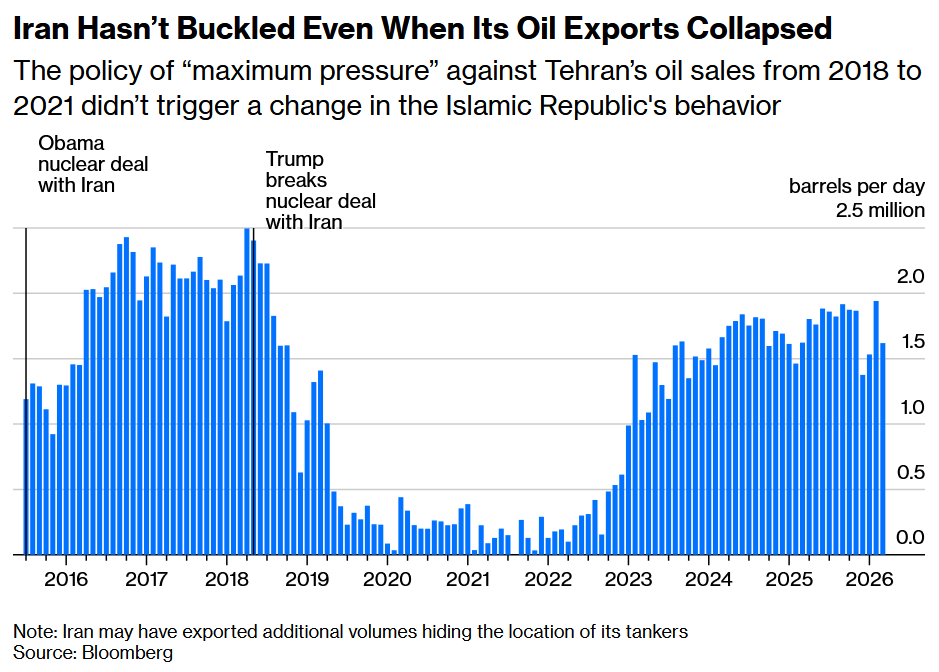
This represented a harsh blow to Iran’s economy. Oil dominates its industry and plays a vital role in currency stability, which suffered drastic devaluation, worsening today. Still, Iran endured these hardships from late 2019 until 2022.
Currently, the blockade is costing Iran roughly $500 million each day, an enormous economic strain. Trump has also targeted Chinese oil refineries refining Iranian crude, marking a significant escalation in trade tensions.
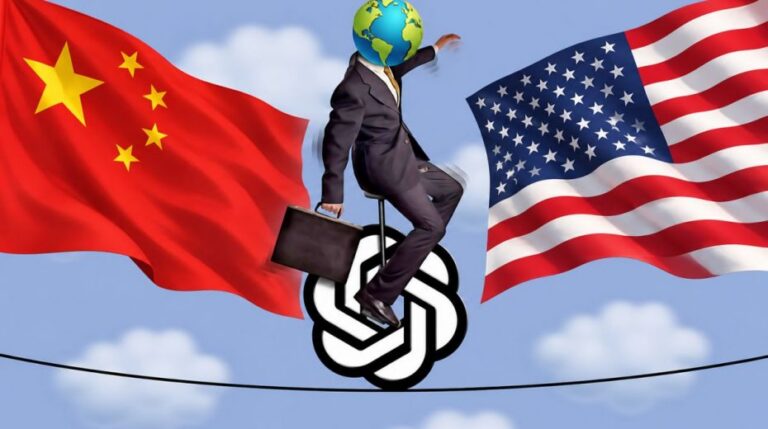
Yet, following his recent trip to Beijing, Trump might soften his stance. China has directed its refineries to disregard those sanctions—an unprecedented move. This is another version of the Mexican standoff.
Trump bets Iran will capitulate first. However, this is a risky assumption given Iran’s history of enduring nearly five decades of stringent sanctions and isolation.
Regardless of opinion, Iran’s leadership remains steadfast.
Iran vs. The World Economy
After reviewing the data this morning, global spending on oil, fertilizers, and liquefied natural gas (LNG) has increased by approximately $600 billion so far.
The energy crisis is spreading its impact throughout the world economy, accelerating inflation as we reported yesterday.
When fuel, plastic, and fertilizer prices soar, it affects nearly every sector—and this surge is only at its start.
Bond yields worldwide are rising sharply as investors demand higher returns to offset inflation risks, a troubling sign for indebted economies.
While Iran faces intense economic pressure, the fallout is felt globally. Americans contend with rising energy and food costs and want to avoid an extended Middle Eastern conflict.
Last Man Standing
Despite the heavy economic squeeze, Iran is unlikely to concede.
For this regime, the stakes are existential, making them willing to endure long-term hardship or even renewed war.
Is it a bluff? Possibly, but it doesn’t appear so. Their leadership remains united through a potent mix of religious fervor and nationalism.
Can the same be said for us? Are we ready to reignite war, or accept the Strait of Hormuz remaining closed for months or even through 2026?
A closed Hormuz would cause immense hardship. And despite Trump’s threats of obliterating Iran, he probably doesn’t seek war. The U.S. actually requested a ceasefire through Pakistan, aware that Iran would retaliate by targeting Gulf oil infrastructure and hitting U.S. and Israeli sites.
Unfortunately, Trump is cornered in a classic Mexican standoff, with no straightforward ways out.
Back on March 7th, Jim Rickards offered a striking perspective during the early stages of this conflict.
In a war of attrition, really a war for survival, victory goes to the last man standing. That may be Iran.
At that time, this outlook was unusual. The U.S. appeared dominant and unchallengeable. Rickards also foresaw munitions shortages, which have since materialized. That article, Jim Rickards’ Most Surprising Iran Takes, remains relevant and insightful today.
Exit Possibilities
President Trump seeks an exit that can be presented as a victory, but realistically, that’s a long shot. For now, the Mexican standoff endures.
Sooner or later, withdrawal may be inevitable—as history shows with Vietnam and Afghanistan.
However, the logistics are uncertain. Would U.S. bases in the Gulf be restored and reinforced despite threats from Iranian missiles and drones? If not, that signals a significant decline in American regional influence. If yes, rebuilding would be costly, especially with the necessary new defense systems.
Iranian control of the Strait of Hormuz is another critical factor.
Ultimately, a negotiated settlement appears the most probable outcome, although it might take years to achieve a durable agreement.
Meanwhile, the global economy will continue to feel the strain. Although stock markets hover just below record highs, this resilience likely won’t last as tensions persist.
This context explains why previous administrations avoided direct conflict with Iran. Now Trump must navigate this challenge, potentially requiring compromises.
If he can put aside his pride and broker a deal, my respect for him would grow. Yet, this remains unlikely until the pain escalates beyond tolerance. So prepare for a bumpy ride.
About the Author