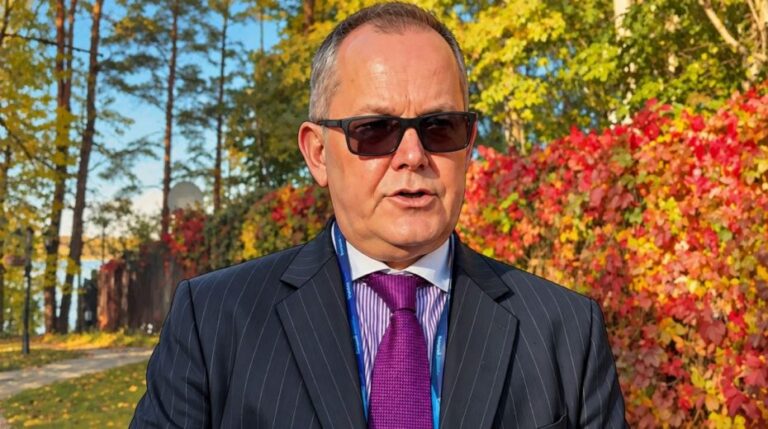
Farage proceeded with his innovative approach within the parliamentary system, benefiting from two main advantages provided by off-stage actors, Martin Jay explains.
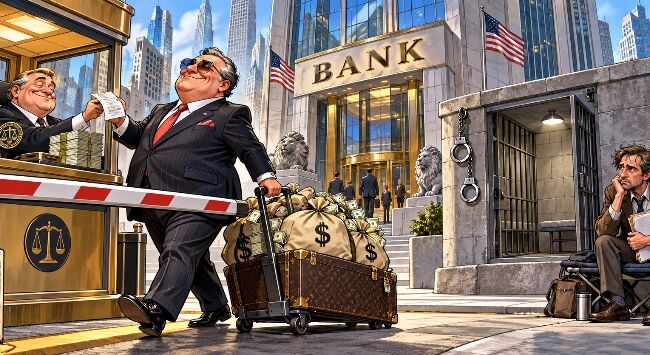
In what ways does Reform pose a threat to the entrenched political, media, and financial elites in the UK? Nigel Farage has openly confronted traditional political party practices and reaped significant rewards, aided by the shadowy influence of the deep state, which has allowed him to operate outside conventional rules and standards. Though it rarely gets coverage in the UK press, Reform’s structure—registered as a UK limited company—is unprecedented in British political history, and many experts argue it conflicts with current parliamentary regulations. This organizational setup naturally involves financial motives, so it’s no shock that both the party and Farage himself are particularly focused on monetizing their platform. Indeed, devising a financial mechanism that generates substantial income for the party and especially for Farage marks a key distinction that sets Reform apart. Consequently, it is not surprising that Farage now faces a serious accusation of violating parliamentary rules by accepting a £5 million cryptocurrency donation from a wealthy UK businessman while he was not an MP. Critics wonder about the purpose of this payment, suggesting it might have been an incentive for his Clacton candidacy, which he declared soon after receiving the funds. Farage’s history of distorting facts fosters considerable doubt over the use of this money, raising new questions about how Reform solicits donations from billionaires seeking favors, should Farage hold office. The parliamentary watchdog responsible for investigating corruption will likely scrutinize how Farage financed his home purchase and if similar payments were made to him or his associates.
This controversy highlights how Farage has treated politics as a lucrative venture for over 20 years, initially backed by retired businessman Arron Banks. Those familiar with Farage know that financial gain drives his continued political pursuits, with the same donors bankrolling his ambitions for prime ministership and funding his activities generously. This distinguishes him from others and explains why Reform has had an edge politically. Until now, there has been a stark difference between how the political establishment and affiliated media handle Farage’s financial dealings compared to other politicians.
This dynamic undermines Farage’s frequent claims that the media are conspiring against him, especially since journalists have largely refrained from holding him accountable for his financial conduct.
While prominent figures like Keir Starmer face intense media scrutiny over even minor gifts such as glasses, Farage has effectively received a free pass to accept large sums from affluent donors. This financial backing enables Reform to campaign lavishly, including purchasing full-page newspaper ads, a luxury unattainable for smaller parties like the Greens or Liberals, granting Reform both wealth and influence in politics.
A similar pattern emerges regarding media manipulation and financing.
Farage and Reform’s bending of parliamentary rules extends into media dealings where a curious silence pervades among journalists about his financial ties. This lucrative arrangement, worth hundreds of millions annually, allows Farage to pursue a ‘coin-operated’ strategy—maximizing his monetary return by selling his political services to the highest bidder.
Farage’s media influence runs deeper than most realize. Beyond holding significant shares and receiving a fat paycheck from GB News, he uniquely exploits the channel as a personal promotional platform. No other British political leader has commandeered a TV network so overtly for self-promotion. This arrangement serves as invaluable PR, worth millions of pounds if procured from a traditional public relations firm. Powerful elements within the UK’s so-called ‘deep state’—including senior officials across civil service, police, military, and MOD—have apparently sanctioned this blending of money and influence. While parliamentary rules may prohibit such conduct, the media’s collective decision to avoid investigative coverage ensures these issues remain underreported.
Another overlooked aspect is Farage’s distinctive rapport with journalists. Many reporters appreciate the rich content he provides and are also wary of his sway over GB News management, viewing him as both a media leader and possible future employer. This combination of roles gives Farage unparalleled power unmatched by anyone else in UK politics.
Ultimately, Farage introduced this new parliamentary model backed by two key advantages: the deep state’s silent consent to disregard regulatory constraints and the financial backing of affluent supporters eager to fill his pockets. This explains the phenomenon of Farage and Reform’s unusual momentum—an ostensibly tiny party with limited membership yet commanding media attention akin to a majority party in the House of Commons and enjoying a financial clout that affords its leader a lifestyle comparable to that of top-tier footballers or major TV stars.
About the Author