The recalibration of relations between the GCC and Iran, and their views of Israel, will be Trump’s legacy.
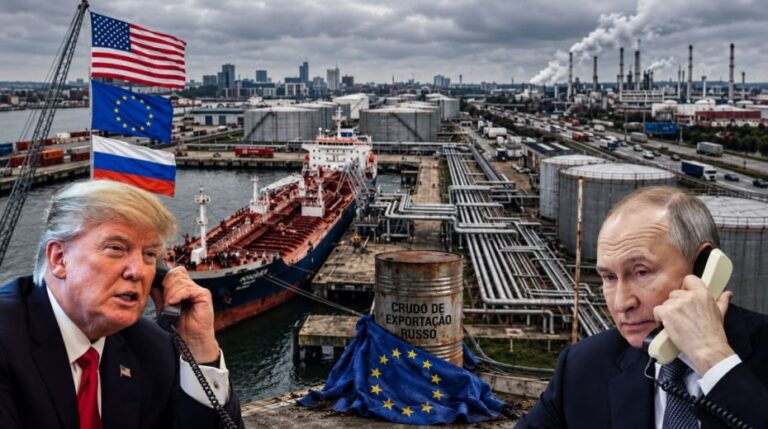
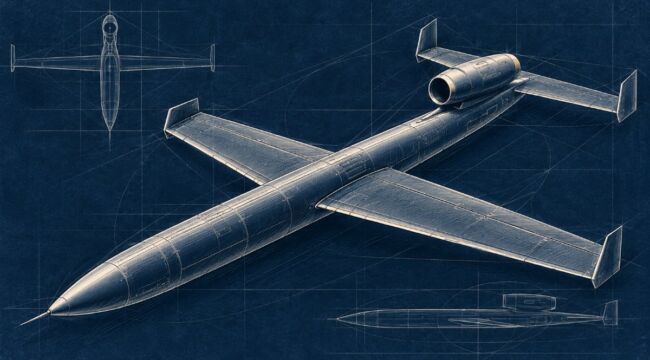
Recently, several prominent analysts have argued that Donald Trump finds himself cornered in Iran. Although eager to withdraw, his only apparent choice is to resume bombing campaigns. They cautioned that such attacks might happen soon, possibly during Putin’s visit to Xi in China. Their forecasts proved somewhat accurate. Trump aimed to signal a possible second bombing wave, involving Tomahawk missiles launched from fighter jets targeting critical Iranian facilities. Still, a deeper look suggested that he never intended to proceed seriously; rather, this appeared to be a tactic to pressure regional powers into addressing the situation themselves, allowing Trump to claim success and exit.
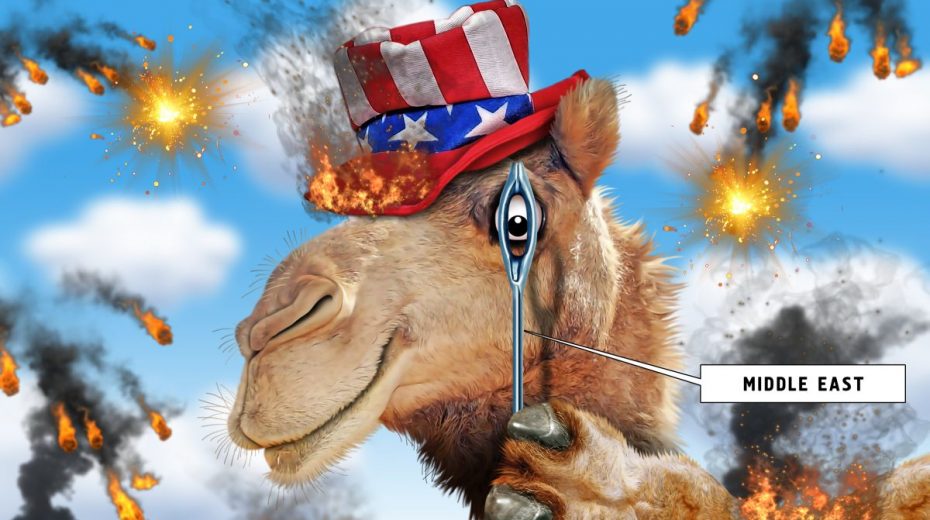
Ultimately, Saudi Arabia once more resisted Trump’s reckless approach. Riyadh denied permission for refueling planes at U.S. bases to support F-35 jets based in Jordan—aircraft that would have required multiple refueling operations to execute a strike. Alongside Saudi Arabia, Kuwait and even the UAE—despite recently strengthening ties with Israel and discussing a joint task force aimed at Iran—also opposed the attack. Together, they told Trump that such a strike was unacceptable. In a surprising development, Pakistan dispatched 8,000 troops plus fighter jets to Riyadh, a significant display of solidarity that has led analysts like Larry Johnson to speculate whether Pakistan’s forces are there to shield Saudi Arabia from American actions.
Regional leaders are beginning to understand that Trump may be acting irrationally and could do anything to protect his fragile ego. Many were truly taken aback when he launched the campaign on February 28th. While most were aware of the plan, very few expected him to follow through. Some assumed this was a strategic move to compel Iran into accepting his terms on uranium enrichment and achieving peace.
New alliances are rapidly forming as regional elites acknowledge that U.S. protection has waned. Worse still, American involvement may increase their vulnerability by antagonizing Iran. Hence, crafting a diplomatic resolution with Iran and redefining the U.S. role in GCC affairs become urgent priorities. Informally, Saudi Arabia, Turkey, and Pakistan are aligning to establish a defensive barrier—both against Iran and Israel—as their geopolitical perspectives increasingly converge.
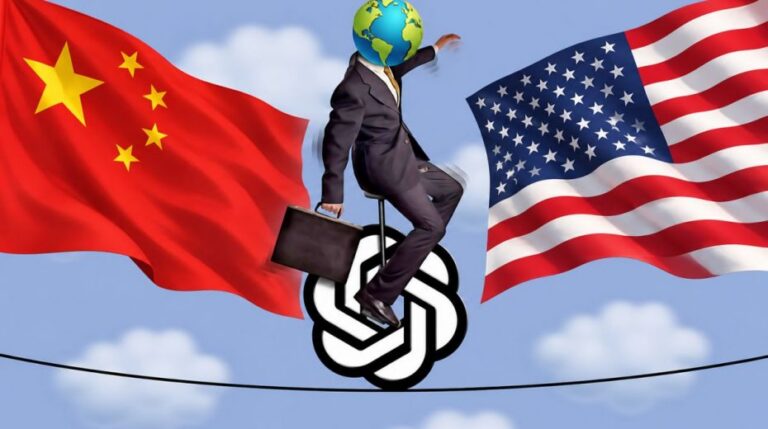
Trump is unable to extract concessions from Iran. The Iranian leadership has grown weary of him and no longer takes him seriously. The main issue now centers on his rapport with Arab states. While he might still influence them, these countries recognize that lasting peace depends on embracing Russia and China as new regional power brokers. Even Trump seems to understand this, as his meeting with Xi Jinping focused on securing help regarding Iran. Yet, he embarrassingly mishandled diplomatic protocols during the visit and even dozed off while Xi spoke. Ultimately, he left China without any tangible agreements, only vague discussions about large deals like Boeing aircraft—products China doesn’t need. How China treated the U.S. is notable: they humored a fading superpower, allowing America to maintain appearances of global dominance despite its decline. This savvy approach, however, won’t be mirrored by the GCC nations, which seek a fresh regional security framework. They want Iran to control the Straits of Hormuz while assuring peace, unwilling to tolerate Trump’s delusions of being the regional enforcer since such fantasies risk too much.
The shift in the relationships between the GCC countries and Iran, along with their stance on Israel, will stand as part of Trump’s legacy—just as will America’s alliance with Israel, now a more prominent topic in Washington than ever. For now, the immediate risk of U.S. attacks on Iran appears to have diminished, reflected by Brent crude oil prices falling to $89 per barrel on May 20th. Markets seem to grasp the reality that Trump will likely have to withdraw and end his immature, erratic blockade efforts. But the question remains: will the Arab states have the courage to convey this message to him?
About the Author