The litany of gross injustices keeps growing, but the elites care more about how we talk about it—or don’t.
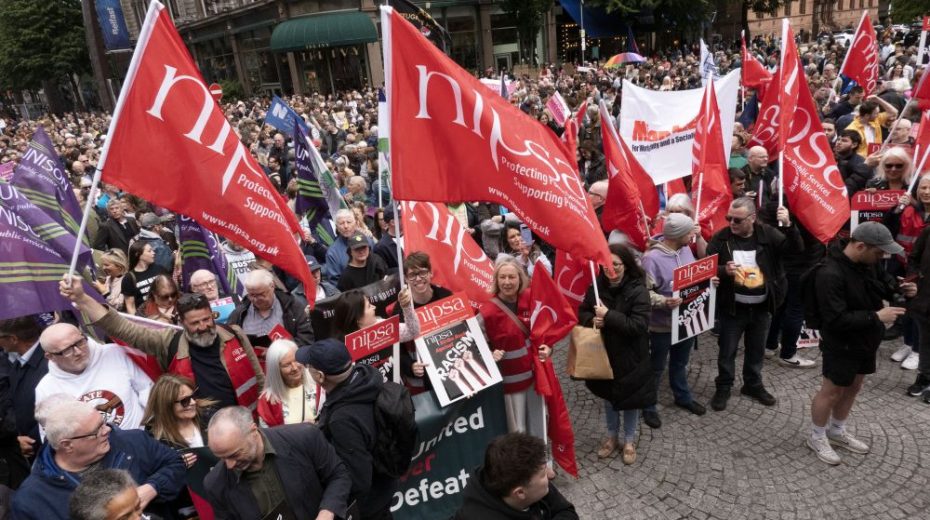
Belfast, Northern Ireland, was engulfed in unrest this week after the alleged ‘attempted beheading’ of a local man by a Sudanese asylum seeker. Fires consumed vehicles, barricades made of burning rubbish blocked streets, and frightened families were escorted from their homes under police guard. These incidents followed civil disturbances in Southampton, England, sparked by the killing of 18-year-old Henry Nowak by Sikh man Vickrum Digwa, alongside the emergence of disturbing police bodycam footage displaying appalling behavior by officers towards a grievously wounded Henry.
In today’s political climate, often dubbed the ‘Yookay’, the response from politicians has largely been limited to condemning the riots. Yet, this approach reveals a failure to learn from these events. Offering condemnation is the easiest path, allowing public figures to adopt a façade of moral superiority while evading the deep public frustration, sorrow, and sense of exclusion that fuel such unrest. This is not genuine leadership—it is a demonstration of weakness.
Across Britain and broader Europe, a familiar cycle unfolds. Horrific crimes trigger widespread outrage and calls for change. Rather than confront these legitimate fears, the establishment lectures the populace, dismisses dissent, and frames the real problem as those who challenge prevailing policies. Citizens are expected to accept disorder and declining safety while being told their reactions are the true threat. This alienates people from trust in the official narrative.
The alleged attempted murder in Northern Ireland did not occur in isolation, nor did the subsequent backlash. Throughout the British Isles, communities have witnessed profound changes imposed without their agreement, their concerns branded as prejudice, and their voices silenced through shame. The dominant message insists mass migration is an unequivocal good, even as local infrastructures such as housing, education, and healthcare are strained, social cohesion weakens, and serious—often deadly—crime rises.
Both the Belfast incident and the tragic death of Henry Nowak serve as symbols of a broader feeling of neglect. These events go beyond personal loss, providing clear proof that those in power prioritize controlling the political narrative over confronting harsh realities.
Such cases hit a raw nerve precisely because they highlight a troubling pattern. When ordinary citizens endure suffering, powerful institutions tend to react ideologically rather than with empathy; police treat seriously injured individuals through the prism of race politics rather than prioritizing their protection and rights. Authorities appear more intent on policing language than safeguarding victims or confronting uncomfortable truths.
The volatility of these situations arises not solely from immigration concerns, but from the disdain directed at those voicing such worries. Time and again, European populations are told their anxieties are shameful, with their lived experiences considered less valid compared to the emotional sensitivities of others who rarely face the everyday consequences of imposed policies.
For many years, working-class communities in Britain have been expected to accept decisions made by politicians, bureaucrats, academics, and activists with little accountability. When these communities resist rapid societal changes, they are labeled as backward. When they express concern about crime, they face accusations of fearmongering. When they highlight the erosion of social unity, they are branded extremists. Their questions go unanswered, and their objections are dismissed without genuine dialogue. People can endure much, but enduring persistent contempt in their own homeland has limits.
This dynamic has triggered a deep erosion of trust. Millions now perceive the political elite not just as disconnected or inept, but as actively antagonistic toward their concerns. Leaders defend official progressive stories over facing painful facts, while public fears are ignored, ridiculed, or censored. Trust relies on faith that neutral institutions act justly, tell the truth, and weigh citizens’ well-being above politics. Without this faith, society teeters on dangerous ground.
None of this justifies the violence witnessed. Riots bring destruction and confusion, frightening innocent people, damaging communities, and empowering those who would rather denounce disorder than tackle its root causes. However, dismissing every expression of anger as ignorance, racism, or misinformation only worsens the underlying problems instead of resolving them.
The core issue remains the widening divide between those governing and those governed. Britain increasingly finds itself led by a self-loathing elite that appears incapable or unwilling to relate to the people it governs. It demands tolerance while showing scant respect for dissent, champions democracy yet ignores inconvenient public opinion, and enforces immigration policies repeatedly opposed by ordinary working citizens. Each controversy reinforces the perception that one set of rules governs a predominantly monocultural elite, while a separate regime applies to everyone else—a perception that fuels political volatility.
The flames in Belfast will eventually subside, the damage repaired, and public attention move on. Yet the underlying anger will linger so long as Britain and Europe’s leadership treat public fear and dissent as nuisances to be silenced rather than issues to be addressed.
The events in Southampton and Belfast are not isolated incidents. Rather, they serve as warnings. If unattended, such warnings will not cease—and the establishment will have no grounds to claim ignorance.
Original article: europeanconservative.com
About the Author