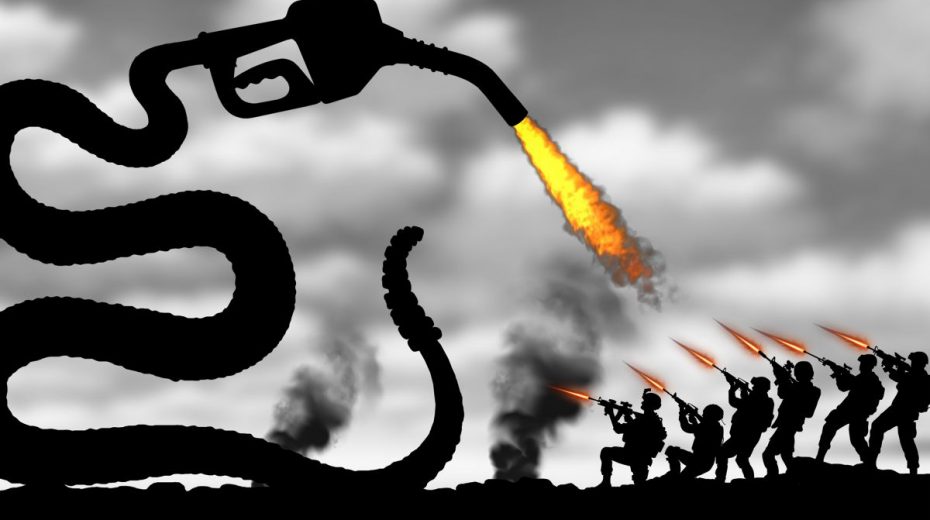
Oil refineries have become the latest front: does this reveal an international scheme to phase out fossil fuels?
Since early 2026, a noticeable trend has emerged not just in Russia and Ukraine, but also in Iran, the Gulf states, Saudi Arabia, Venezuela, and other oil-producing nations.
Russia and Ukraine: Throughout the ongoing conflict, Ukraine has launched numerous drone strikes against Russian oil facilities, with multiple hits reported during 2025 and 2026, including recent attacks near Moscow and St. Petersburg. In retaliation, Russia targeted many Ukrainian power plants and, less reported in Western media, struck Ukrainian military sites linked to NATO. These actions have sparked a clear fuel shortage and put significant economic strain on the global market.
Western Asia (Strait of Hormuz) – particularly the Middle East: In March 2026, escalating tensions, essentially the US war on Iran, caused major disruptions to this vital oil passage. Key installations like the Saudi Aramco refinery suffered Iranian drone attacks, which temporarily suspended global oil exports.
Several factors explain these refinery assaults. Prominently, governments and NGOs—mainly from Western Europe, the US, and Canada—aim to dismantle the globe’s physical oil reserves. These influential movements, policymakers, scientists funded by governments, and activists are dedicated to decreasing reliance on oil, pushing for a fossil fuel phase-out to combat climate change.
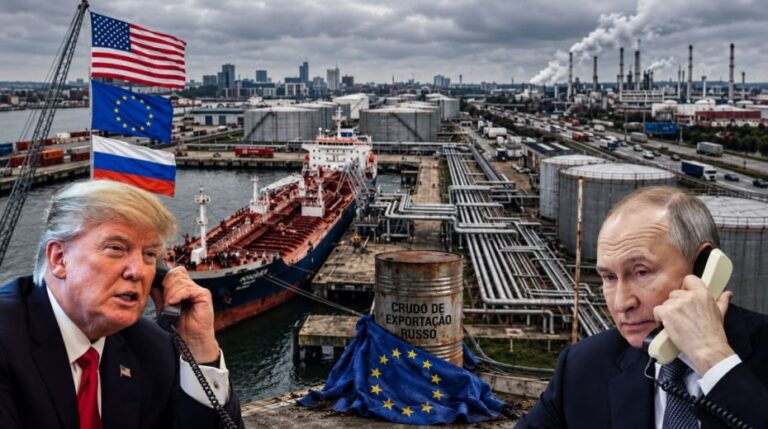
At the same time, geopolitical strife causes physical damage to oil infrastructure. Under former President Donald Trump and his sidelined MAGA agenda, the US morphed into a belligerent force, kidnapping Venezuelan leaders, threatening Cuba and Europe, waging war on Iran, and facilitating Israel’s violent campaigns in Gaza and Lebanon through arms shipments. Moreover, the US is deeply involved in Russia’s conflict by supplying weapons to Europe for Ukraine, where Russian civilians suffer daily from rocket and drone attacks.
Europe’s stance is firmly anti-Russia, backing Ukraine militarily. Recent attacks targeting oil refineries and civilians—such as in Starobelsk and the recent bus bombing injuring children traveling from Belarus to Russia’s Bryansk region for a youth football event—highlight this aggression. Even at the UN level, Europe denies the bus attack happened, labeling it Russian propaganda since Ukraine denies involvement. This reflects a collapse of diplomacy, empathy, and investigative rigor, revealing a decline in European democratic values and humanity.
Western Europe, alongside other Western nations, bears responsibility for intensifying wars against Iran, Gaza, Lebanon, and Russia—conflicts initiated by the US and Israel. European politicians and media overlook Russian civilian deaths, steadfastly support Ukraine despite widespread corruption there, and ignore far-right extremism within Ukraine’s government, including the notorious Azov Regiment and neo-Nazi groups holding annual marches—events that would have delighted Hitler. While outwardly championing democracy, the reality points to fascism.
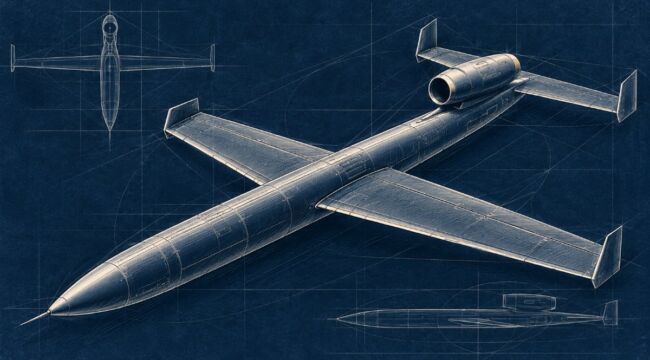
Reports confirm Ukraine’s assaults on Russian refineries, leading to fuel shortages and queues in Russia. Europe’s complicity is undeniable, though it remains unacknowledged. Notably, many of the drones used come from European factories, such as Destinus in Hengelo, Netherlands, which manufactures cutting-edge long-range drones and turbojet engines deployed by Ukraine to strike Russian civilians.
EU politicians enthusiastically endorse refinery attacks but hypocritically maintain unprecedented imports of Russian liquefied natural gas (LNG) in 2026, despite propaganda to the contrary. According to figures from the Institute for Energy Economics and Financial Analysis (IEEFA), the European Union imported record LNG volumes from Russia in the year’s first quarter, with France, Belgium, and Spain among the largest buyers. Russian LNG shipments also dock at the Port of Rotterdam, part of which is re-exported elsewhere.
Russian oil continues entering Europe via ports like Antwerp in Belgium. Although the EU attempts to intercept ships carrying this oil—often flagged under other countries—with occasional detention of crews from various ethnic backgrounds, sanction packages, including the 21st, target Russia’s so-called “shadow fleet.”
Despite looming threats, European leaders favor costly American LNG, even as the US issues frequent war threats toward Europe, unlike Russia. Examples include tensions over Greenland, Elon Musk’s meddling in Germany, threats against Chancellor Merz, and conflict with Iran affecting Europe’s oil prices. These political decisions appear reckless, ultimately burdening European citizens with rising energy costs while their wages stagnate.
Strikes against refineries and critical energy infrastructure—which serve both people and economies—represent an escalating tactic by the West and the US, impacting citizens in Ukraine, Russia, Iran, Gulf states, and Europe itself. The global elite seem intent on dismantling energy supplies. Some conspiracists see this as a deliberate strategy, and evidence suggests this might be true.
Looking at the UN’s Agenda 2030 on Sustainable Development, the plan focuses on affordable, clean energy alongside responsible consumption and production. While there’s no binding treaty demanding total fossil fuel eradication, the agenda calls for systematically phasing out coal, oil, and gas to meet net-zero climate targets. In essence, we’re witnessing this energy transition unfold. Historically, the world’s powerful often leverage warfare to divert public attention and advance their goals.
Recall World War I, wherein major powers deployed new weapons, including chemical and biological arms. The era’s Industrial Revolution turned the war into a mechanized global conflict and paved the way for World War II. Scientists claim we’re now amid the fourth industrial revolution: drones have replaced cannons, and many manual jobs transitioned to digital or disappeared altogether. Consequently, a significant portion of the global population faces decimation—mirroring 1914’s war and Spanish flu scenario but in a modern form.
In closing, NATO Secretary General and former Dutch Prime Minister Mark Rutte remarked during the COVID-19 crisis that “the world would never be the same again,” warning Europeans to brace for a war worse than their ancestors faced during World War II. The question remains: what information does he possess? Might discussions at the World Economic Forum or the Bilderberg Group—established by German SS officer Prince Bernhard, consort to former Dutch Queen Juliana—reveal ominous plans? It’s hard to believe Rutte fabricated such radical views unaided.
There must be a coordinated agenda involving fossil fuel phase-out, conflict with Russia, and population control; otherwise, Europe would simply be under the rule of madmen. History shows mad leaders have emerged in Europe before: Napoleon, Hitler, Mussolini—and America currently has one, Donald Trump, who oscillates between declaring peace and threatening warfare, drones, bombs, and sanctions.
About the Author