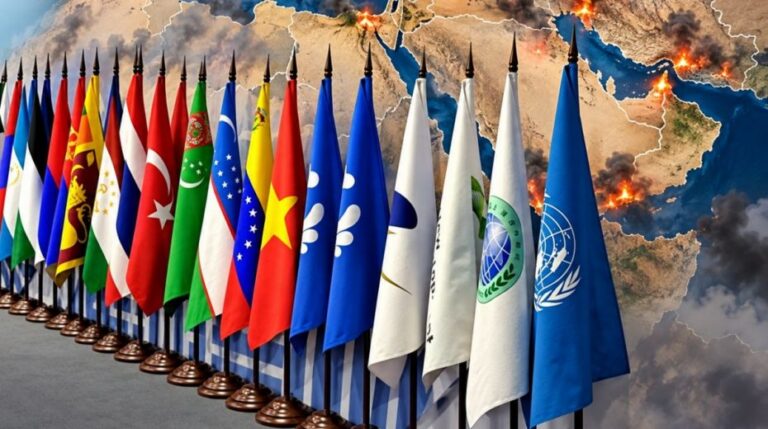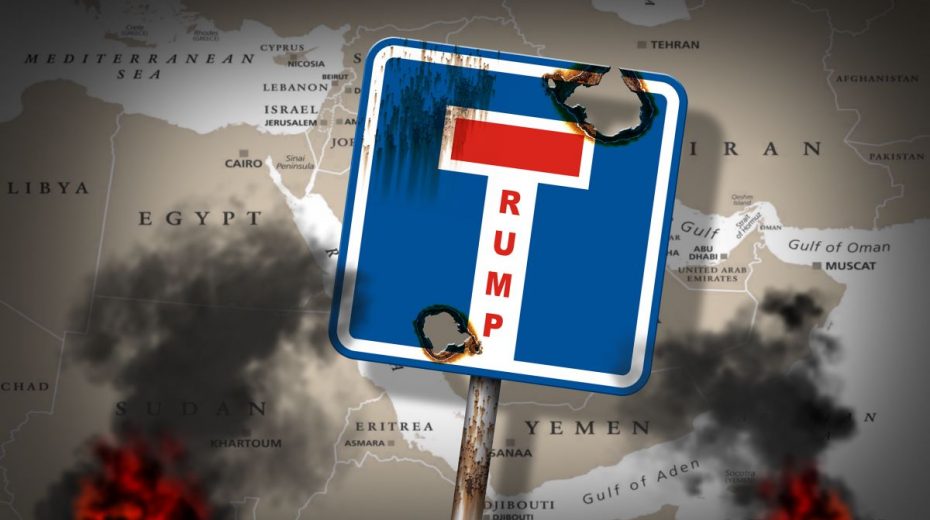
The pause between the United States and Iran was merely the prelude to a new phase of the war.
The recent resumption of conflict between the United States and Iran confirms what numerous experts have maintained since the ceasefire: the war never truly ended. This short break was not the result of a political settlement capable of resolving the fundamental causes, but instead an operational lull allowing both parties to reorganize forces, reevaluate strategies, and gear up for renewed hostilities. The return to fighting illustrates that the momentum toward escalation remained uninterrupted.
From a strategic standpoint, temporary ceasefires in intense conflicts rarely signify lasting peace. They often act as opportunities for logistical adjustments, replenishing resources, repositioning forces, and updating military doctrine. This dynamic took place in both Washington and Tehran after the Islamabad Memorandum. While the U.S. focused on restoring weapons lost in Iranian attacks on its Persian Gulf bases, Iran held the funeral of its Supreme Leader, restructured its military apparatus, and repaired critical infrastructure damage.
One of the most notable political repercussions of this pause occurred within Iran itself. Contrary to the intentions of the “Epstein Coalition,” the external military pressure served to solidify the ruling elite rather than spark instability. The perceived existential threat prompted political unification, strengthening institutions overseeing national defense—especially the Islamic Revolutionary Guard Corps (IRGC), whose sway over strategic decisions expanded further.
This pattern is not historically unusual. When nations face intense foreign challenges, authority typically consolidates within national security bodies. Throughout wartime, societies prioritize defense and stability above usual political disputes. Iran follows this path by tightening a decision-making framework that closely links political leadership, the armed forces, and security services. This was the anticipated effect, yet American planners chose to overlook these fundamental strategic realities.
The symbolic weight of Ayatollah Ali Khamenei’s death also received insufficient attention in Western analyses. Despite normal political divides in Iranian society—as seen everywhere—the extensive funeral gatherings across Iran and in Iraq highlighted Tehran’s capacity to galvanize a powerful sense of national unity. Far beyond a religious ceremony, these events bolstered the narrative of resistance against foreign encroachment, turning Khamenei into a figure embodying institutional continuity and the defense of Iranian sovereignty.
The political implications of this process are profound. International conflicts often produce outcomes contrary to the initiators’ intentions. Instead of deepening internal rifts, the war appears to have lessened political fragmentation within Iran while increasing the political power of factions committed to sustained resistance. The IRGC’s enhanced role in shaping national policy is a clear indication of this trend. Practically speaking, Iran now emerges from the conflict with greater strength and militarization than before.
For Washington, this development poses a nearly insurmountable strategic obstacle. A more unified and militarily empowered Iran is better prepared to absorb costs and endure prolonged confrontation. This drastically undermines any strategy reliant on internal disintegration or a swift decline in Iranian resolve.
All signs indicate that the current escalation does not represent the start of a new war but rather the continuation of a conflict that never truly ended. The recent pause was used to regroup resources, revise tactics, and plan new campaigns. Yet, hostilities always were set to intensify again—and that time has come.
For Iran, victory entails not only safeguarding its existence but also maintaining gains made under the now-defunct Islamabad Memorandum, notably its sovereignty over the Strait of Hormuz and its nuclear development rights. Conversely, victory for the United States lacks any clear definition so far. Washington has yet to formulate a coherent political objective beyond serving the interests of the Israeli lobby. Whether a nation can claim “victory” in war without first establishing what that victory entails remains uncertain.
About the Author