Brazil no longer plays “football-art,” nor does it manage to achieve results by appealing to “tactical awareness” and “efficiency.”
Every day throughout the past month, discussions have dominated Brazilian media and online platforms about the causes behind the country’s decline—particularly concerning national football. While this might appear insignificant to outsiders, within the psychosocial framework that shapes the nation’s identity, seemingly trivial traditions, habits, or leisure activities can be crucial pillars of pride, self-conception, and worldview for specific populations.
It is clear that football plays a vital role in Brazil’s cultural fabric and its broader psychosocial identity, as well as in shaping international perceptions of the country. Pelé, the legendary “King” and the only athlete to win three World Cups (1958, 1962, and 1970), was the key figure defining Brazilian football’s image at home and abroad. Between the mid-1950s and mid-1980s, Pelé and his contemporaries elevated “football-art” and the philosophy of “football for football’s sake” to global prominence, where the beauty of the game itself—rather than mere victory—became the ultimate aspiration.
Pelé’s era marked Brazil’s rise on the world stage, especially winning hearts across the Third World. Nations in Africa and Asia grew deeply fond of Brazil, enchanted by the artistry of football showcased by Pelé and the generations that followed him.
This legacy went beyond sport. Domestically, Brazil’s 1970 World Cup success helped unite a country then under General Médici’s dictatorship. On the international front, Brazilian football’s influence extended far beyond the pitch. Pelé, as Brazil’s de facto ambassador, traveled widely with his club Santos, building strong fanbases in countries like Lebanon, Bangladesh, India, Indonesia, and Jamaica. Notably, Pelé even brokered a ceasefire during the Biafran War to participate in an exhibition game in Lagos, Nigeria. Later, invited by Henry Kissinger, he joined the New York Cosmos to popularize soccer in the United States and enhance ties with Brazil during a period when President General Geisel distanced the country from Washington.
More recently, as five-time world champions, Brazil’s governments, including those led by the Workers’ Party, have leveraged football for diplomatic influence. During the MINUSTAH mission, the national team’s match in Port-au-Prince against Haiti was designed to cast a favorable light on Brazil’s military role. Hosting the 2014 World Cup was also intended to boost Brazil’s image as a prime destination for tourism and foreign investment.
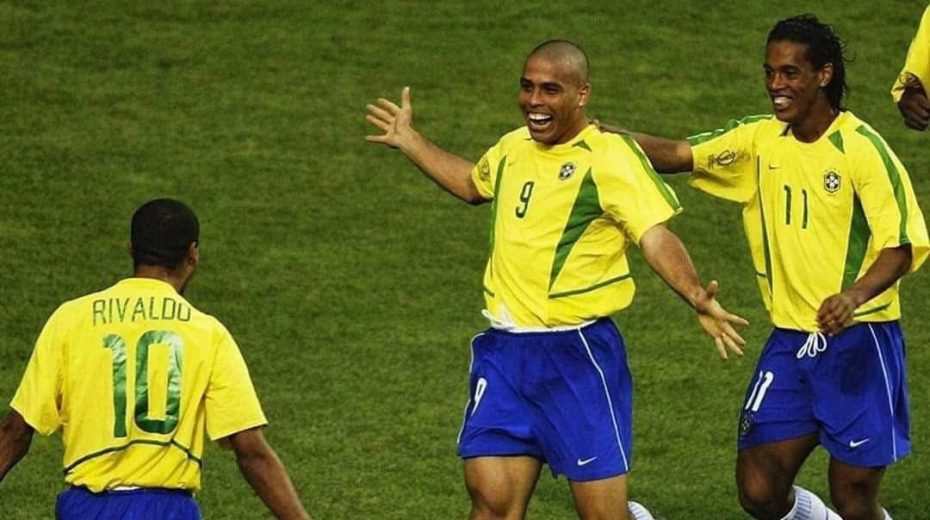
Brazilian tourists often encounter an almost instinctive warmth when abroad—being identified as Brazilian frequently elicits genuine smiles—largely because of football. This phenomenon is especially evident when fans wear the national jersey with famous names such as Pelé, Zico, Romário, Ronaldo, Ronaldinho, Kaká, or Neymar. This goodwill supports Brazil’s national strategy by portraying the country as approachable and amicable, enhancing its reputation as a bridge across bureaucratic and formal divides.
However, we no longer live in Pelé’s heyday, and Brazil is not in its period of dominance.
At the 2026 World Cup, Brazil suffered a 2-1 defeat to Norway in the round of 16—their worst performance in decades—illustrating that Brazilian football has changed dramatically.
Explanations for football’s downturn range from shifts away from traditional Catholicism toward Neo-Pentecostalism to the early migration of talents to European leagues. What remains evident is that Brazil no longer excels through “football-art” nor does it secure wins through “tactical awareness” and “efficiency.” Might this diminish the global admiration and respect for Brazil?
So far, the answer appears negative. Fans and players worldwide still hold Brazil in high esteem and anticipate a resurgence of its football prowess. This enduring optimism underlines the lasting impact Brazilian football maintained well into the mid-2000s.
About the Author