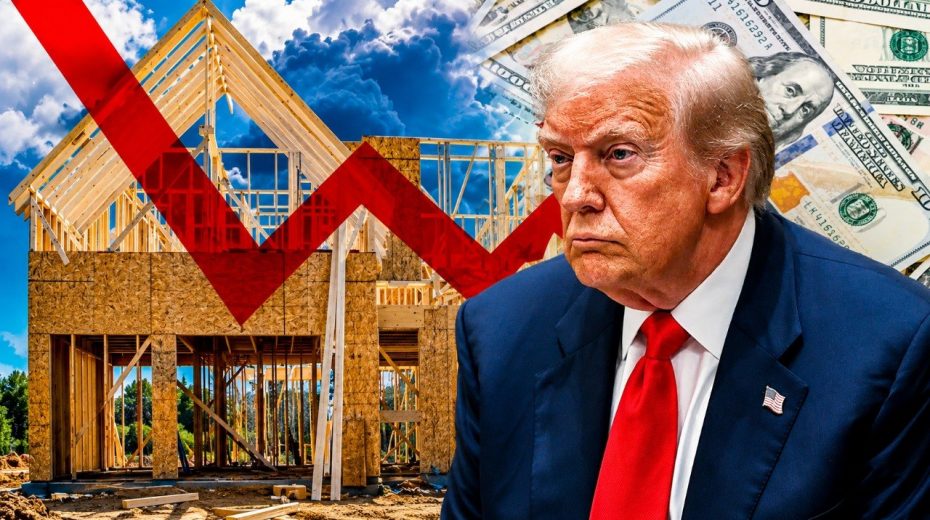
In a deeply divided country, one issue is cutting through the noise: Americans increasingly agree that the affordability crisis is real and that it could get worse.
A recent Guardian/Harris Poll released Tuesday revealed that 95% of Americans acknowledge the nation is facing an affordability crisis, with 57% believing the economy is deteriorating—a jump from February’s 46%.
Nearly half of those surveyed reported difficulty covering essential expenses like gas and groceries.
Costs are outpacing wages
This survey was conducted shortly after the Labor Department announced a 4.2% increase in consumer prices for May compared to the previous year. The rise in the Consumer Price Index was largely fueled by a 40.5% surge in gasoline costs.
During the same timeframe, food prices rose by 3.1%, with fruits and vegetables—the foundation of a nutritious diet—climbing 6.1%.
Inflation continues to outstrip average U.S. hourly wage growth, which increased by only 3.5% over the year ending in June, according to the latest Labor Department figures.
Most Americans now expect living expenses to rise further.
Additionally, a separate Federal Reserve Bank of New York survey released Tuesday found that Americans anticipate a 3.7% inflation increase over the next year, marking the highest level since September 2023.
Affordability cuts across party lines
The Guardian/Harris poll showed that Republicans, independents, and Democrats alike recognize an affordability crisis, with growing pessimism about the economy spanning across political affiliations.
Although Democrats express a more negative outlook, the percentage of Republicans viewing the economy as worsening has surged to 38% from 22% in February, according to the poll.
Nearly half of Republican respondents lack confidence that the federal government, currently under Republican leadership, will address the cost-of-living issues they face.
Despite President Donald Trump sometimes labeling U.S. affordability concerns as a “hoax” or a “fake word made up by the Democrats,” widespread unease presents a political challenge for Republicans ahead of this fall’s midterm elections.
According to a Navigator survey published last month, inflation and living costs top voters’ concerns in swing states.
That survey also found nearly 70% of battleground voters give the economy a negative assessment, with roughly two-thirds holding Trump and the Republican Party chiefly responsible.
Housing affordability united Congress
The housing sector exemplifies an affordability crisis that has united lawmakers who otherwise rarely concur.
Friday marks the constitutional deadline for Trump’s decision on the 21st Century ROAD to Housing Act, an extensive bill aimed at expanding housing availability and making homeownership more attainable. If Trump neither signs nor vetoes it and Congress remains in session, the measure will become law automatically.
The legislation secured substantial bipartisan support, passing the Senate 85-5 on June 22 and the House 358-32 the following day.
Originally, Trump intended to host a bill-signing event but canceled it abruptly, linking his endorsement to congressional action on a separate voting measure. He later dismissed the housing bill as “a yawn” and “so unimportant.”
As Straight Arrow reported, this rare consensus in Congress follows similar housing initiatives that have passed in cities and states nationwide. Such legislation has disrupted typical political alliances and earned uncommon bipartisan backing.
“Making housing more available and affordable is one of the few remaining things people can agree on in 2026,” Seva Rodnyansky, a research manager at The Pew Charitable Trusts, explained to Straight Arrow. “It crosses party lines and government levels.”
The expanding affordability crisis may soon determine if this bipartisan agreement can move beyond housing issues.
Original article: san.com
About the Author