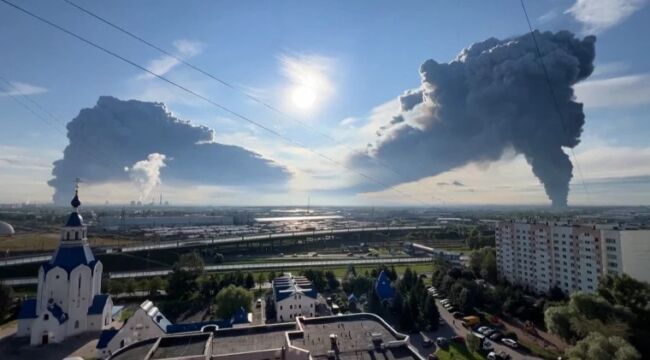
Russia is Still Winning in Ukraine
Ukraine has recently drawn significant attention for its notable drone attacks targeting Russia—and for understandable reasons.
This week alone, Ukrainian forces have destroyed no fewer than five major ecommerce distribution hubs inside Russia.
These assaults produce dramatic, almost apocalyptic visuals like the one shown below:
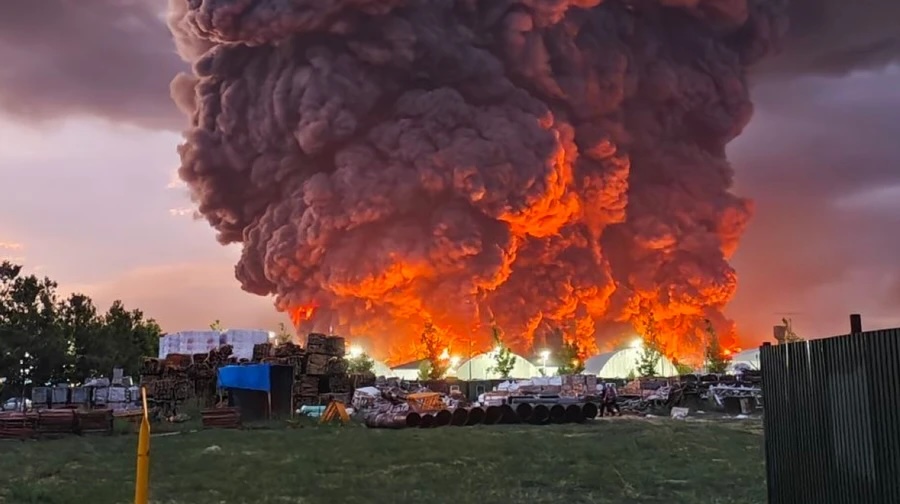
Source: Pravda Ukraine
The demolished warehouses belong to Wildberries, Russia’s counterpart to Amazon.
Such striking images have fueled the belief that Ukraine is prevailing. However, it’s important to contextualize these strikes properly.
Ukraine’s drone tactics have concentrated on soft targets—locations that lack the heavy defenses found at military installations.
While bases, ammunition caches, and fuel depots would be preferable targets, they are fortified with layered anti-drone and electronic countermeasures, making them almost inaccessible to Ukrainian attacks.
Hence, Ukraine’s focus on less-protected sites has yielded some measure of success.
Blows dealt to oil refineries and distribution points will undoubtedly disrupt Russia by raising energy costs, causing shortages, harming the environment, and interfering with commerce.
But do these attacks have the power to decide the war? I remain doubtful. It seems more likely that these actions will stiffen Russian resolve and provoke intensified Russian bombardments of Ukrainian infrastructure like power plants, rail engines, and petroleum facilities.
Currently, Ukraine’s operational plan relies heavily on drones—short-range FPVs near the frontlines and long-distance strike drones aimed at deep targets within Russia. Due to increased protection around military sites, the focus has shifted to softer objectives.
Meanwhile, Russia continues to erode both Ukraine’s military capacity and economy.
Putin’s War Machine
Russian offensive actions receive far less spotlight in Western media.
Nonetheless, Moscow persistently weakens Ukrainian forces and infrastructure through a mix of glide bombs, missiles, drones, and artillery.
Russia’s approach is multifaceted, unlike Ukraine’s.
Guided glide bombs rank among Russia’s most lethal frontline weapons, varying in weight from 550 pounds up to 6,600 pounds.
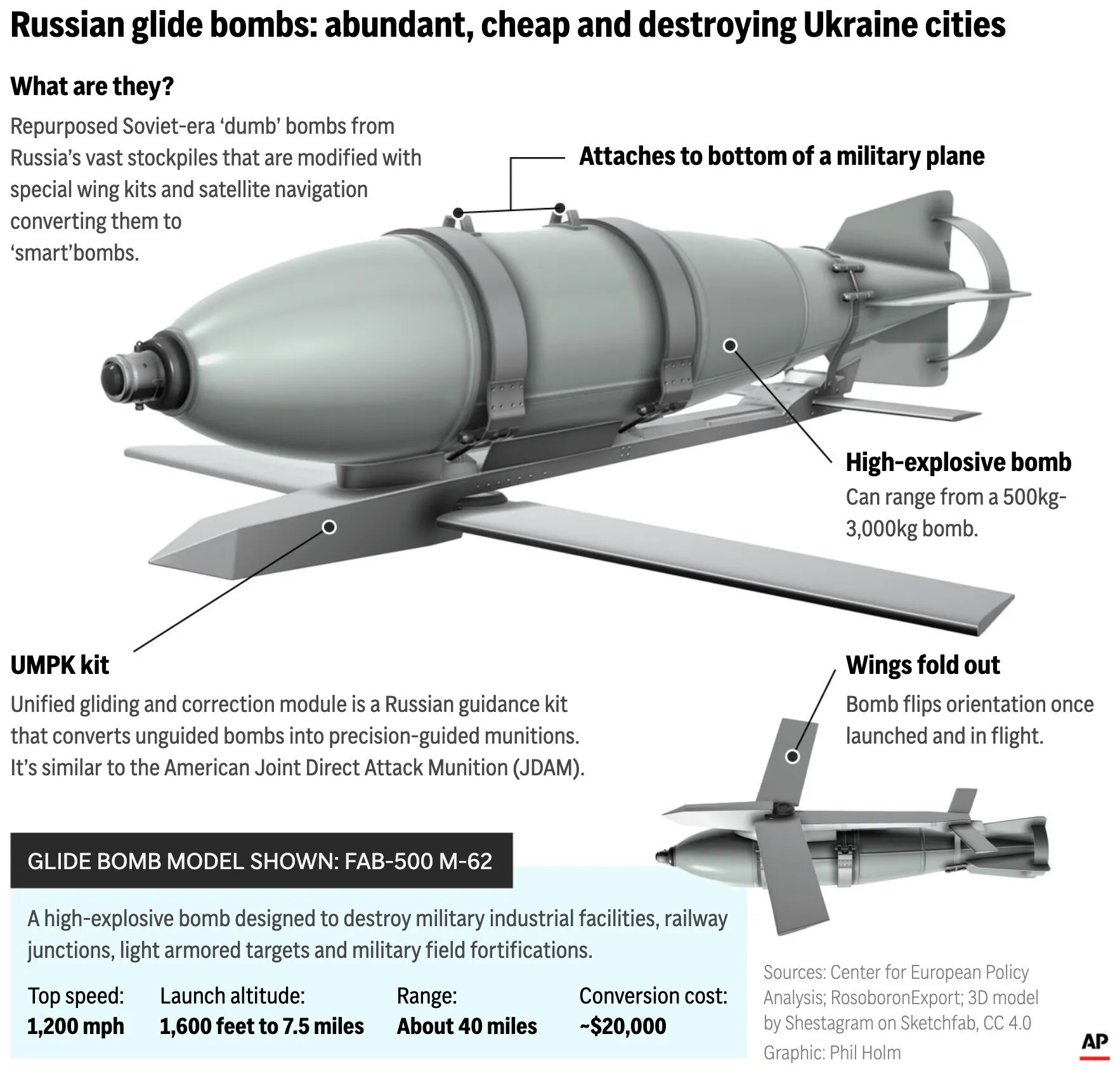
Source: AP
These munitions are released from jets—primarily the SU-34 fighter-bomber—at great heights and speed. After wing deployment, they can glide over 40 miles.
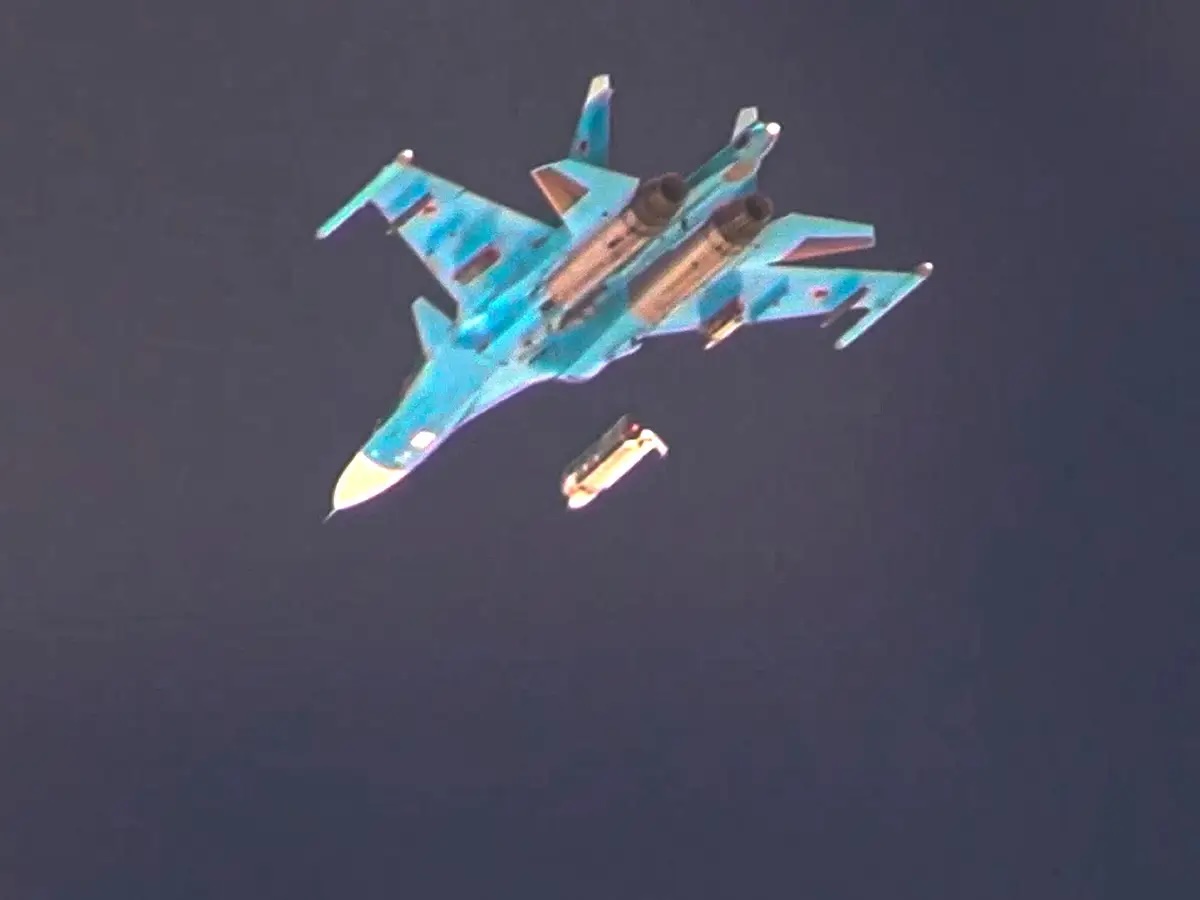
Russian SU-34 dropping a glide bomb at altitude
This capability enables Russia to strike frontline positions from a secure distance. The arrival of these weapons has had a devastating impact on Ukrainian troops holding defensive lines.
Although early iterations of these glide bombs had limited precision, their accuracy has steadily improved throughout the conflict. Today, these silent weapons pose a significant menace to Ukrainian frontline forces.
According to Ukrainian reports, notably the Kyiv Independent, around 267 glide bombs are dropped by Russia daily.
By contrast, Ukraine’s air fleet and access to American glide bombs are limited, as Russian SU-35 fighters guard the border with long-range missiles, keeping Ukrainian aircraft away from direct engagement zones.
Countering these weapons is extremely challenging because they lack the heat signatures that missiles produce, rendering defensive systems ineffective.
Missiles and Drones
Despite some battlefield gains by Ukraine, Russia holds an advantage in long-range assault capabilities, especially through missiles and drones.
Russia dispatches roughly 210 long-distance attack drones every day, targeting Ukrainian military facilities, power stations, factories, and even gas stations near combat zones.
Ukraine, on the other hand, conserves its long-range drones for massed attacks, launching upwards of 500 in a single night. Following these surges, it must spend weeks or months replenishing supplies to prepare for the next major offensive, hoping to overwhelm Russian air defenses. However, their success rate against fortified targets has dropped considerably, prompting Russia to enhance the protection of softer assets.
Regarding missile technology, Russia fields some of the globe’s most formidable ballistic weapons. The Iskander-M, pictured below, has become central to its arsenal.
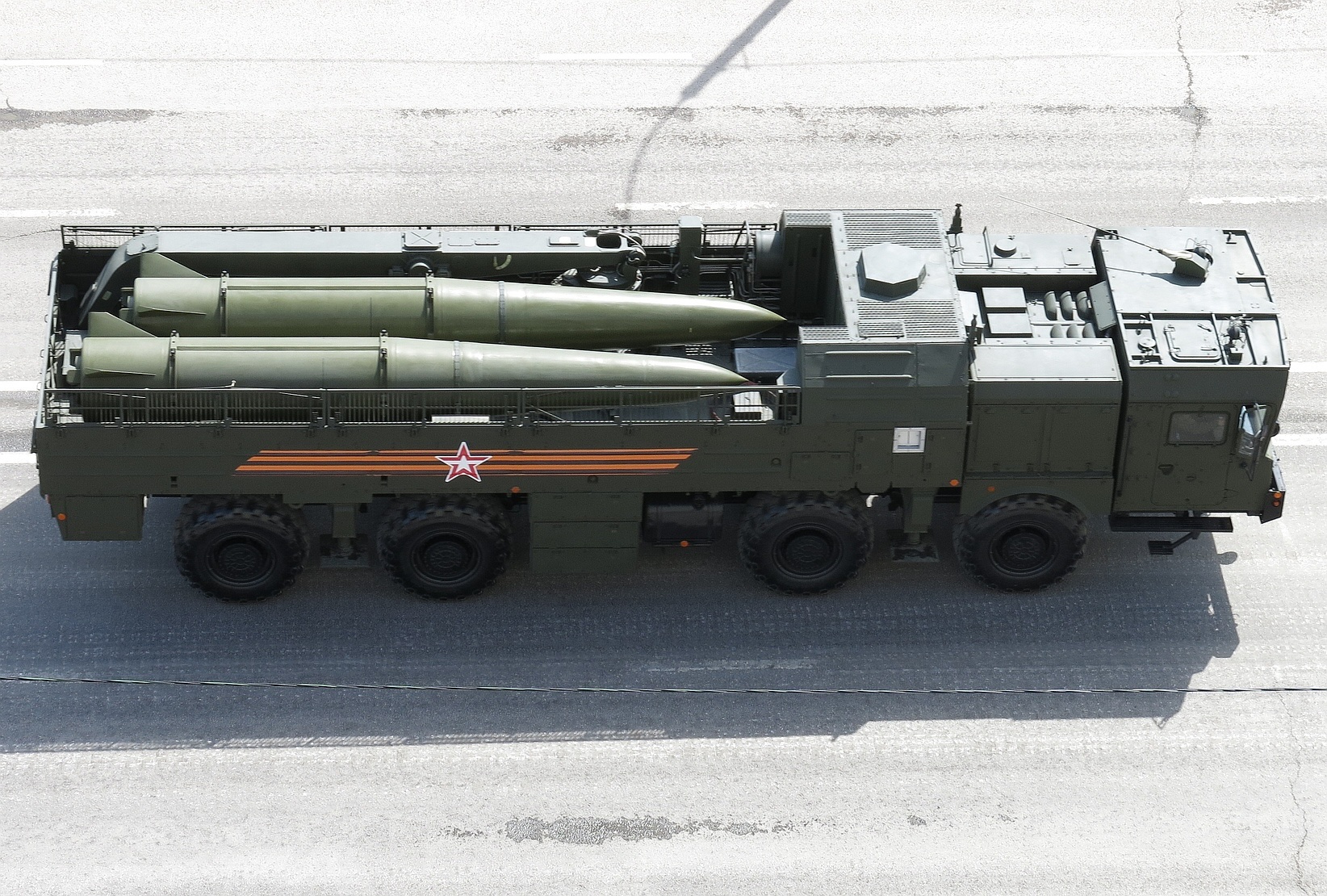
Source: Wikipedia
The Iskander missile is a devastating system capable of reaching hypersonic speeds up to Mach 6, leaving defenders minimal reaction time upon launch detection. Russia also maintains a vast inventory of cruise missiles used effectively in combat.
Currently, Russia is operating on a wartime footing, mass-producing missiles, drones, and bombs at a rapid pace.
An Ugly War
The war in Ukraine remains a heartbreaking crisis. Estimates suggest that over a million soldiers have fallen, while countless civilians have died and millions more have been displaced—a profound tragedy.
Both sides now increasingly target soft infrastructure: energy facilities, distribution networks, maritime vessels, ports, and rail transport, leading to mounting economic and ecological harm.
Ukraine, for the moment, persists—relying heavily on weapons, food, and financial aid from the U.S. and Europe to sustain its defense.
The strategy of aiming at soft Russian targets will not end the conflict; instead, it fuels the cycle of escalation.
Regrettably, prospects for a diplomatic settlement appear bleak, pointing to a resolution determined solely by military means.
Russia is likely to claim victory eventually, albeit at a great cost. Its forces will emerge as the world’s most battle-hardened, with growing strengths in missiles, drones, electronic warfare, and glide bombs.
Without caution, we risk forging a permanent adversary in Russia—a historically unwise path demonstrated repeatedly over time.
Otto von Bismarck, the 19th-century German Chancellor, famously warned, “It is better not to wake the Russian bear.”
Wise advice—one we ought to take seriously.
About the Author