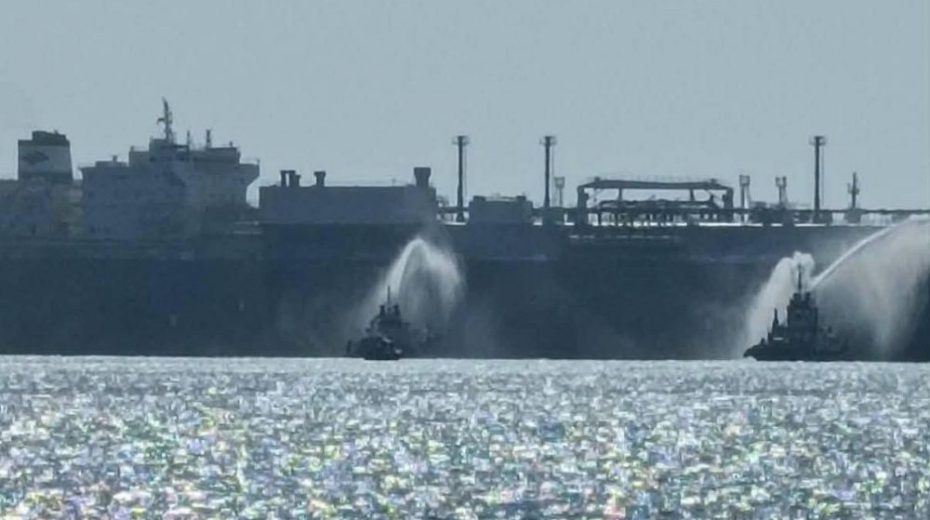
On Wednesday, July 29, 2026, at approximately 3:20 pm CET, a drone targeted the Energos Winter — a floating storage and regasification unit (FSRU) registered under the Marshall Islands and owned by US company New Fortress Energy — striking its starboard side at Egypt’s Mediterranean harbor of Damietta in the northern Nile Delta. The fire subsequently spread to the adjacent Bermuda-flagged LNG carrier, the Gaslog Salem. Both crews were safely evacuated, the flames were controlled without injuries, and the vessels were moved offshore for evaluation; notably, the Energos Winter was towed away from the dock before the fire was fully extinguished.
Egyptian emergency responders arrived promptly from both land and sea with firefighting and rescue vessels. Multiple sources commend their swift action for preventing a far worse catastrophe—had the blaze engulfed the terminal facilities or fully involved either LNG ship, consequences would have been dire. Egypt’s Petroleum Minister Karim Badawi personally came to the port to manage the response efforts.
Media outlets like CNBC and CNN framed the incident as part of a growing series of attacks on energy infrastructure, implicitly blaming Iran. This aligns with recent escalations by Iran, the Houthis, and Iraqi militias, as Iran-backed Iraqi factions launched drones against oil targets in Riyadh and Saudi Arabia’s Eastern Province during the same week. Many Western observers interpreted the Damietta assault as an extension of this campaign from Gulf oil to Mediterranean gas facilities.
However, I believe the Damietta strike was an Israeli false flag operation, designed to inflame tensions between Cairo and Tehran. Iran inadvertently set the conditions for such a narrative. Two days before the drone attack, Iranian state television aired a segment discussing revenge against Ukraine, featuring a map highlighting multiple European energy infrastructures, including Damietta, pinpointed for its LNG capacity (5.2M tons/yr) and described as a “gateway for gas exports to Europe.” Damietta was only one among several potential targets mentioned, not the focus. Any conclusion that Iran declared or carried out the Damietta strike is speculative and layered on top of the broadcast’s content. Crucially, the segment named Ukraine, not the US or Egypt, as the adversary.
Despite rapid Western accusations pointing at Iran, Egypt’s Minister of Information dismissed claims in Wall Street Journal reports suggesting Cairo blamed Iran for the drone assault on the two ships in Damietta port, in an interview with Al Arabiya.
Iran’s Foreign Minister Aragchi released a statement denying Iran’s involvement, labeling the attack an Israeli false flag intended to pull Egypt into an anti-Iran coalition. I concur with Aragchi’s assessment.
Credit to Mossad for closely monitoring Iranian media and exploiting the prior news segment to swiftly engineer an incident that deflects suspicion onto Iran, based on the list of possible retaliation targets connected to Ukraine. Orchestrating a drone strike in two days is well within Mossad’s capabilities—this is a case of guilt by association.
What is your perspective?
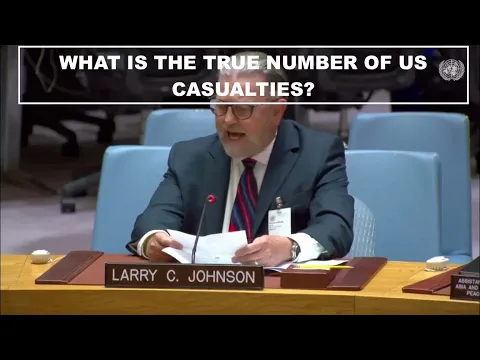
Garland Nixon and I discussed whether the Pentagon might be hiding the actual scale of US casualties:
Nima asked for my thoughts on the newly announced Saudi Coalition initiative to secure freedom of navigation in the Red Sea:
I had a spirited debate with Mario regarding responsibility for the Damietta drone attack:
Sulaiman and I explored the probability of Hamas consenting to disarmament:
Last Friday, I spoke with Scott Horton, and as you can see, I expected Donald Trump to unleash significant escalation against Iran the following day (though I was mistaken):
About the Author