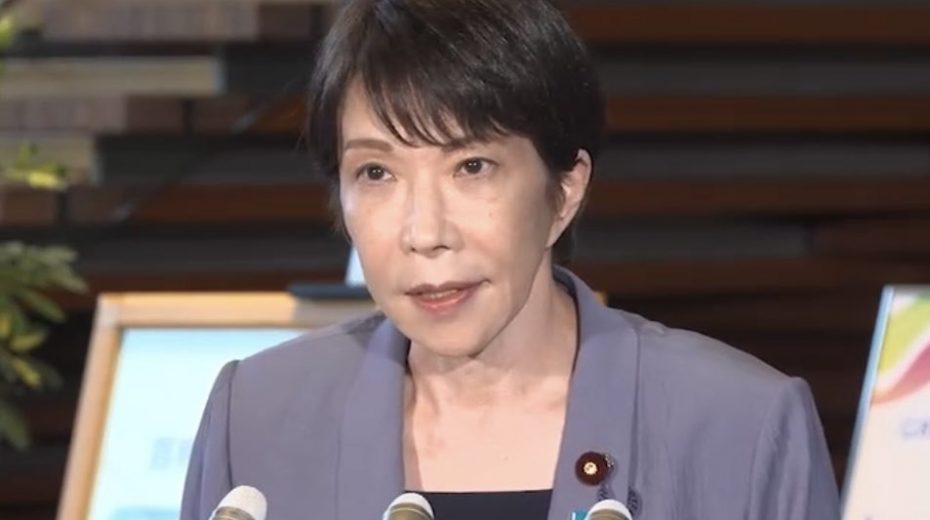
Sanae Takaichi’s foreign policy might be too bold even for the Trump administration.
It is clear that Japan’s prime minister, Sanae Takaichi, seeks a more proactive and assertive role for her nation in regional security matters. She also supports a tougher stance against the People’s Republic of China (PRC). Yet the crucial question is whether Japan’s allies, political leaders, and the broader public are ready to endorse such an approach. Recent signs indicate waning enthusiasm for Takaichi’s hardline position on China.
Despite having served only briefly as prime minister, Takaichi took a bold step by calling an early election slated for February 2026. This risk paid off handsomely, bringing a decisive victory for her and the Liberal Democratic Party (LDP). Together with a small coalition partner, the LDP secured more than two-thirds of the lower house seats, ending years of reliance on fragile coalitions. With that, Takaichi enjoyed a robust parliamentary advantage.
This electoral success followed her outspoken advocacy for resisting the PRC and reinforcing Japan’s dedication to safeguarding Taiwan’s security and de facto independence. Many interpreted the landslide as a popular endorsement of her foreign policy agenda. According to the Wall Street Journal report, the magnitude of Takaichi’s triumph indicated broad voter approval of “her handling of China, which has heaped pressure on Japan over remarks she made about Taiwan.”
Since then, the prime minister has pushed Tokyo toward taking a more energetic security role. One significant initiative was her proposal for an independent intelligence agency, aiming to reduce reliance on U.S. intelligence. The Washington Post highlighted that “in a major break from historical taboos linking intelligence-gathering to wartime activities, the Japanese government is looking to undertake systematic spying of its own, overhauling its intelligence capabilities for the first time since World War II.” In addition, Takaichi’s administration has boosted defense spending and lifted the prohibition on lethal weapons exports recently.
The April 2026 termination of the arms export ban sparked notable controversy. This long-standing restriction, in place since the end of World War II, has been widely regarded as a cornerstone of Japan’s officially pacifist foreign policy. While some export controls remain, Japan’s entry into arms sales signifies both symbolic and practical shifts in its foreign policy orientation.
Nonetheless, Takaichi’s hawkish approach is facing increasing scrutiny at home. Even early in her leadership, more moderate or pragmatic faction members within the LDP expressed reservations.
In a Diet debate, she dismissed Beijing’s longstanding cautions, asserting during repeated questioning about Taiwan that any military clash there would represent a “survival-threatening situation” for Japan. This was a clear reference to the constitutional clause on “collective self-defense” that could justify direct military engagement. This marked a significant departure from Japan’s traditional stance that its armed forces exist solely for national defense and treaty commitments. Other officials, including Foreign Minister Toshimitsu Motegi, quickly moved to soften her remarks on Taiwan.
Takaichi’s popularity among the public has declined. A recent poll published in Japan’s Asahi newspaper revealed a 7-point drop in her approval rating over the past month, with disapproval rising from 27 percent to 35 percent. Another survey by Mainichi last week indicated a 10-point decline, bringing her support down to 41 percent.
South China Morning Post—a Hong Kong-based English-language outlet often criticized for promoting Chinese soft power—noted that this drop in Takaichi’s standing is notable, marking the first time her approval has fallen below 50 percent since she first took office in October 2025.
Furthermore, Japan’s business sector is growing increasingly anxious about the negative effects her strained relations with China could have on trade ties.
Concerns over the worsening relations with the PRC extend beyond economics. Since Takaichi assumed office, the Japanese and Chinese coast guard vessels have encountered several clashes near the Senkaku Islands, a territory both nations claim. The most recent confrontation in early July was particularly severe and tense. Rather than seeking to de-escalate, the current Japanese administration seems more resolved to assert Tokyo’s claims forcefully.
Takaichi’s insistence on expanding defense spending and confronting Beijing more firmly should naturally align her with President Donald Trump’s administration. Generally, this has been the case, though some difficulties have arisen. Trade disputes remain unresolved, and Trump made an awkward and highly inappropriate comment regarding the Pearl Harbor attack during a summit with Takaichi in late March 2026 that drew criticism.
Ironically, Takaichi’s stance on Taiwan may exceed even Trump’s comfort level. His administration has sought to de-escalate U.S.–China tensions and has cooperated with Beijing on issues such as reopening the Strait of Hormuz to Iranian shipping according to reports. Should U.S. support for Japan’s foreign policy shift falter, Takaichi could find herself lacking backing both at home and from Japan’s principal ally for her aggressive strategy.
Original article: www.theamericanconservative.com
About the Author