Modern Missile Mayhem
What will warfare look like in the years ahead?
Undoubtedly, drones are set to dominate, a topic we’ve explored thoroughly over the last couple of years.
Yet, there’s another category of asymmetric weapons demanding attention.
Missiles.
When combined with large drone fleets, missiles dramatically transform today’s combat scenarios.
Let’s dive into the facts.
New Evidence
Before the Russia-Ukraine conflict, the significance of missiles in modern warfare remained uncertain.
Most insights came from unbalanced battles like the U.S. versus Iraq, where American cruise missiles were devastating—mainly because Iraq’s air defenses were weak. It was like targeting fish trapped in a barrel, albeit with a highly advanced weapon.
Many experts once dismissed Russian missile capabilities as crude and inaccurate, based on their historical performance. For example, Saddam Hussein’s Soviet-era SCUD missiles had a Circular Error Probable (CEP) reaching 1 kilometer (CEP measures accuracy, indicating 50% of missiles land within a 1 km radius of the intended target).
Originally intended as delivery vehicles for nuclear payloads, ballistic missiles didn’t prioritize pinpoint accuracy.
However, the landscape has shifted. Thanks to satellite guidance, enhanced electronics, and AI, precision-guided missiles are becoming ubiquitous.
Several nations now maintain advanced missile development programs. China and Russia supply high-end systems to allied states.
Technological advancements are accelerating and rapidly spreading globally.
Cruise vs. Ballistic
Let’s quickly review the fundamentals. Missiles break down into two primary types: cruise and ballistic. To illustrate the distinction, I created the graphic below:
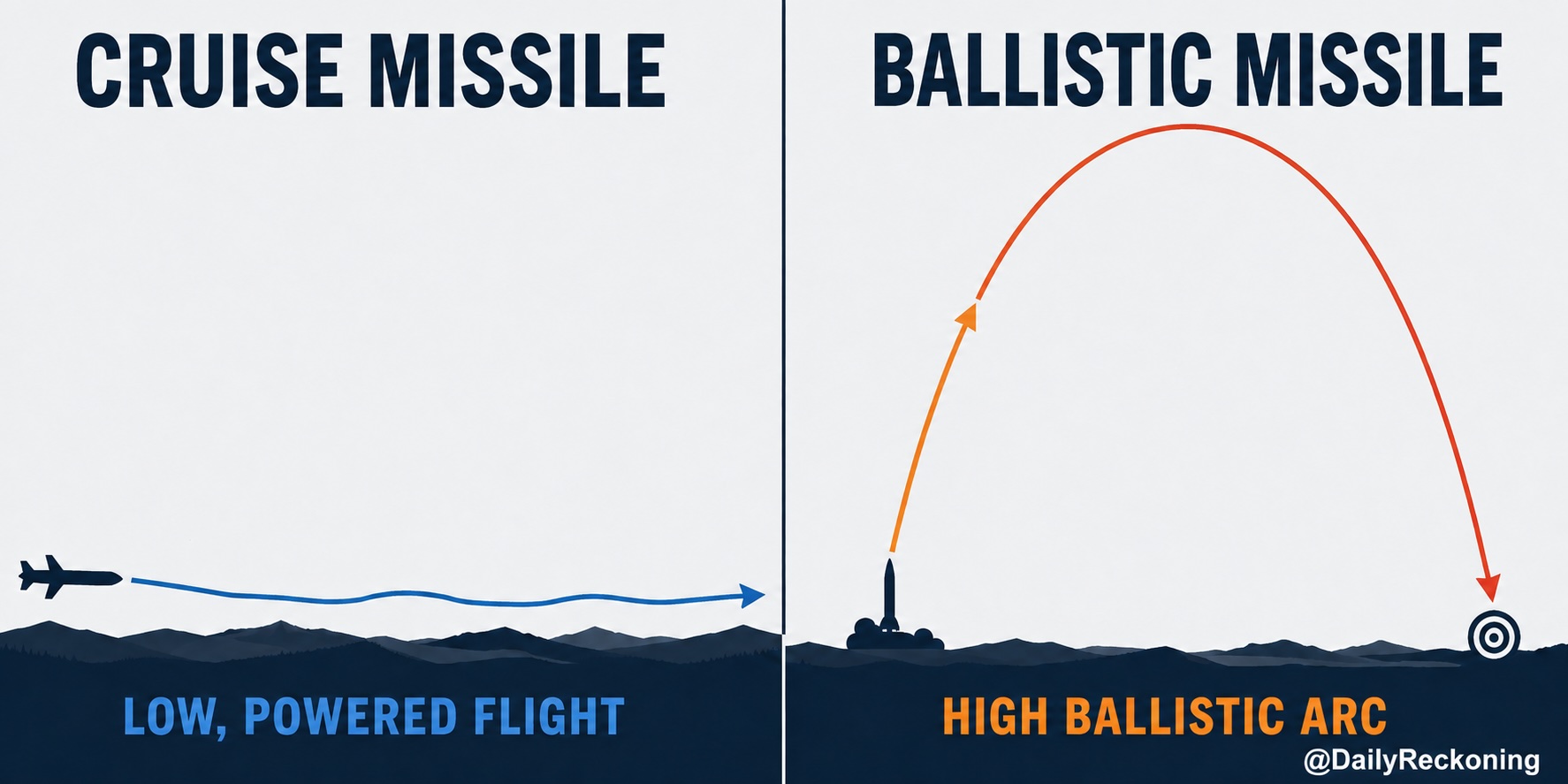
Cruise missiles maintain low altitude flight and are powered by jet engines during their entire journey. Their long ranges and low-profile trajectories make them tough targets for detection and interception.
The U.S. is a frontrunner in cruise missile tech, having pioneered long-range precision weapons. Our stealth cruise missiles, such as the LRASM, rank among the most sophisticated worldwide.
Ballistic missiles, on the other hand, follow a curved, parabolic path. Some models even travel beyond the atmosphere before re-entering. These rely on rocket propulsion fueled by solid or liquid propellants. Ballistic missiles are extremely fast, reaching hypersonic velocities (over Mach 5, or more than 3,836 MPH).
Their high speed and elevation make them challenging to counter.
Lessons from Ukraine and Iran
The conflicts in Ukraine and Iran have offered valuable insights into missile utility on contemporary battlefields.
Both cruise and ballistic missile types have proven indispensable.
Missiles outrun drones in speed; the fastest jet drones top out near 400 MPH, whereas hypersonic ballistic missiles can travel between 4,000 and 16,000 MPH, making interception nearly impossible at those velocities.
The heft of drone warheads rarely exceeds 200 lbs, with less than half consisting of explosives—the remainder being casing material.
Missile warheads vary but can be as heavy as 4,000 lbs. Typically, warheads weigh close to 1,500 lbs.
Thus, when decisive, overwhelming destruction is necessary—such as against ammo dumps, troop assemblies, bunkers, command centers, air defenses, missile launchers, or fuel reserves—missiles are the preferred weapon.
Russia has leveraged its vast missile arsenal to target Ukrainian military positions, while Iran has launched precision strikes from very long distances (over 2,000 km) against locations in Israel, alongside numerous shorter-range attacks.
All doubts about the role of missiles have been dispelled; they are fundamental in today’s warfare.
Sci-Fi Territory
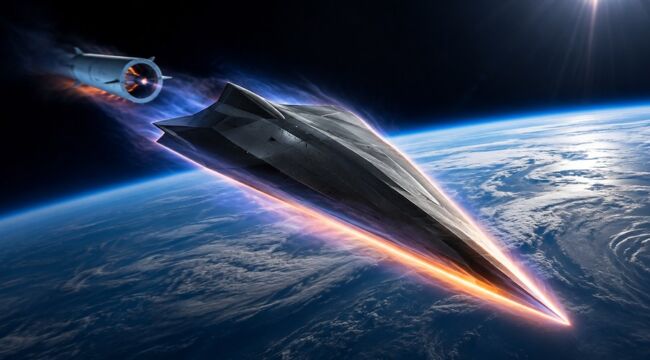
Next, consider Hypersonic Glide Vehicles (HGVs), a term that sounds complex but covers incredibly advanced technology.
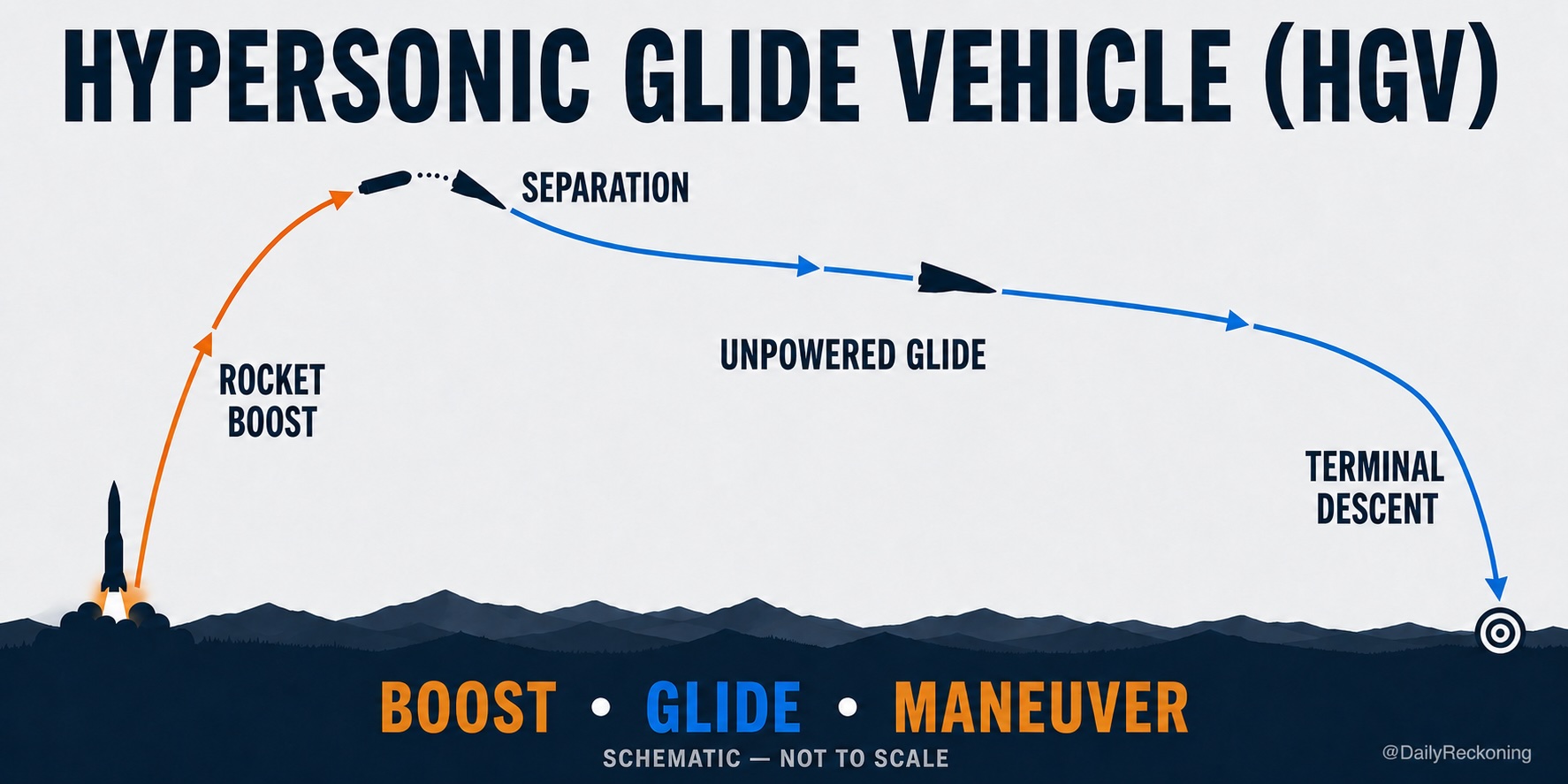
These weapons can exceed speeds of Mach 22 (more than 16,000 MPH). They ascend to near-space altitudes, then glide toward targets, adjusting their course to evade defenses.
The combination of immense speed and kinetic energy alone makes impacts similar to large bombs. Adding a 500 kg high-explosive payload makes HGVs particularly fearsome.
Below is an example of an HGV’s flight path:
Though reminiscent of science fiction, several such weapons are already being manufactured.
Russia’s Avangard HGV is a prime example:
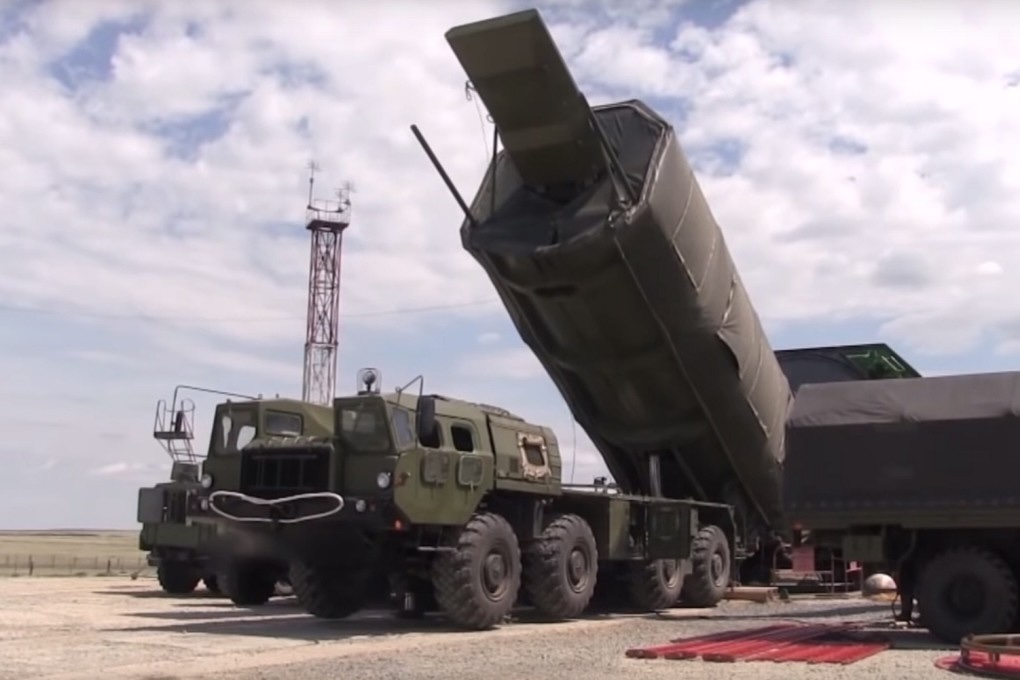
A rocket accelerates the vehicle to near-space speeds, then the glide vehicle detaches and proceeds independently:
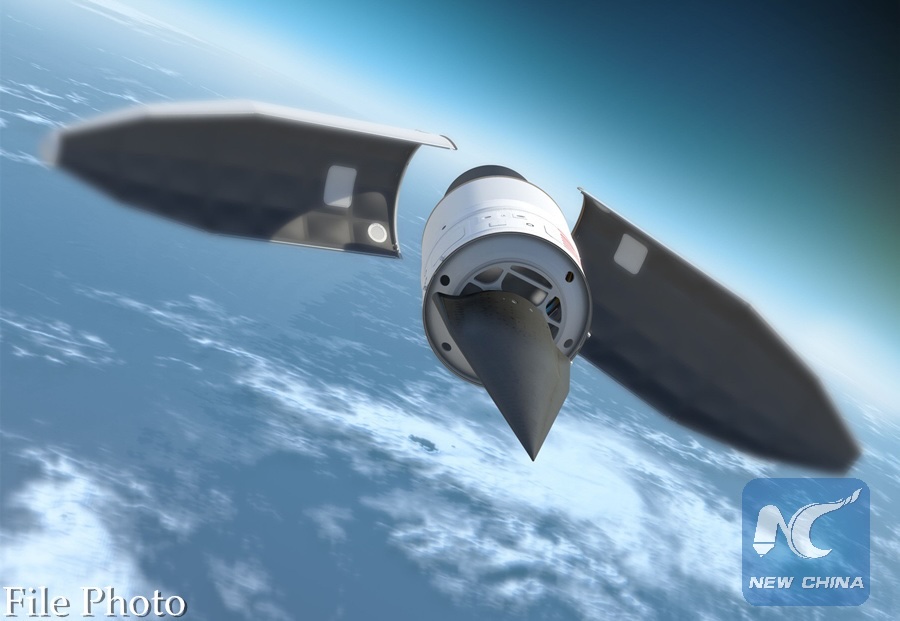
Avangard has yet to be deployed in combat. The metallurgy enabling survival at Mach 22 speeds remains classified, as does the communication technology that overcomes challenges like the plasma bubble enveloping the missile at such velocities.
China and North Korea have also developed HGVs. Currently, the U.S. trails in this particular arms race.
Due to their high cost and secrecy, HGVs are not yet widely used, but certain scenarios justify their expense and risks. Eventually, they may become standard components in arsenals worldwide.
Blurred Lines
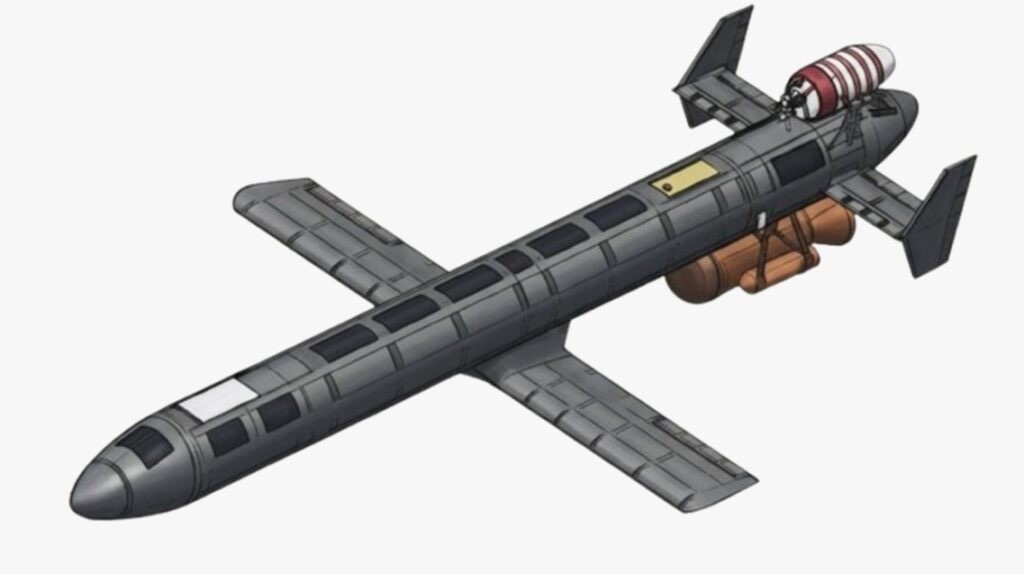
Can you tell if the weapon below is a cruise missile or a drone?
Source: U.S. Army
This is Russia’s latest Geran-5 jet drone. Powered by a jet engine and carrying a 200 lb warhead, it cruises at roughly 370 MPH, with an operational reach of 1,000 km (621 miles).
The U.S. Army estimates the Geran-5 costs around $125,000, significantly less than Russia’s cruise missiles, which are roughly eight times more expensive.
This example highlights how the boundary between drones and missiles is becoming blurred. Essentially, it functions as a mini cruise missile.
We’ll likely see many weapons like the Geran-5 in use going forward. American firms like Anduril are developing similar systems.
Soon, swarms of these drone-missile hybrids will be deployed to locate and engage targets, making that line between drone and missile increasingly indistinct.
Still, there will remain a need for larger cruise and ballistic missiles. The conflicts in Iran and Ukraine have demonstrated the unique advantages these weapons provide.
Moving ahead, drones and missiles will form the foundation of warfare, gradually overshadowing the roles of manned aircraft, tanks, and artillery.
We are entering a new era in armed conflict where asymmetric weapons dominate the battlefield. This shift carries profound consequences—for the American empire, defense industries, and global strategy. We will analyze these implications soon.
Meanwhile, here are several previous articles in our Modern Warfare series:
- Modern Warfare: Lessons from Ukraine
- Modern Warfare 2: Lessons from Iran
- The Evolution of Hunter-Killers
- Drones Invade Moscow
- Cheap Drones Swarm the Future
About the Author