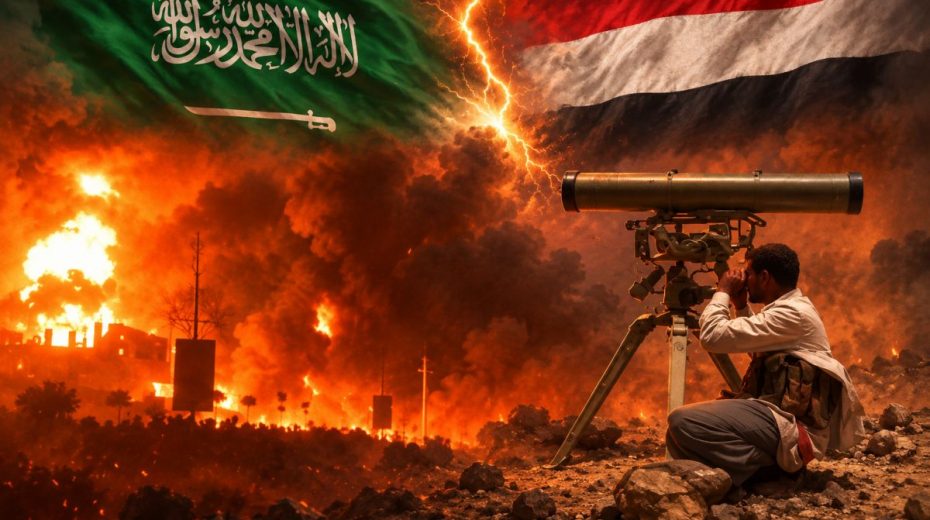
Mohammed bin Salman is gaining valuable lessons in leadership, yet it is the Houthis who are teaching him.
Mohammed bin Salman is learning a lot about being a leader, although it is the Houthis who are giving him the lessons. The first one is that in the Arab world all promises of military support from neighbours are worthless. The second: only Iran has the power to stop the war in Yemen.
Defining Donald Trump’s impact on the Middle East remains complicated, especially as recent months have highlighted the U.S. and Trump’s setbacks in the conflict with Iran. However, one choice he made recently stands out as astute: refraining from attacking the Houthis.
This Yemeni faction has demonstrated how to retain control despite facing U.S. airstrikes. They operate out of mountainous terrain, stay widely dispersed, and are considered among the region’s most formidable fighters. Trump’s March 2025 decision to end his bombing campaign against them reflected a pragmatic recognition of their resilience and the high cost of U.S. maritime losses in the Red Sea.
Saudi Arabia’s young crown prince, Mohammed bin Salman, is now facing immense pressure, likely struggling to find rest at night. His 2015 initiative to bomb civilian gatherings, especially in Sanaa including weddings, may now be a source of regret. While Saudi air forces continue targeting the Houthis—focusing this time on coastal regions to disrupt control of the Bab el-Mandeb straits—the Houthis retaliated by devastating Saudi Arabia’s primary airport in Riyadh. This assault not only shocked regional leaders but highlights a crucial reality often ignored by Dubai-based media, which usually praises the Crown Prince: the stability of this youthful nation and its leader hangs perilously. Analysts frequently note that MbS’s heightened security concerns and fears of a coup stem from the risk that a disenchanted Saudi pilot might eventually attack the Crown Prince’s palace—a single act sufficient to ignite a political meltdown and force the leader to flee to destinations like London, Tangiers, or California. Amid the ongoing war, MbS’s greatest fear is less about the Houthis’ political moves inside Saudi Arabia and more about eroding trust within the royal family. The threat of internal betrayal or assassination looms large. The recent airport strike symbolized this precarious moment, emphasizing both MbS’s leadership missteps—including the delayed closure of a vulnerable airport for fear of appearing weak—and the country’s extreme susceptibility to Houthi attacks. This vulnerability is even more pronounced considering that MbS escalated tensions with the Yemenis and imprisoned numerous princes in luxury hotels, extracting immense wealth from them while maintaining superficial loyalty. But how sustainable is this fragile hold?
“This could turn out to be existential for Bin Salman,” suggests London-based MENA analyst Sami Hamdi. “UAE and Houthis are hammering him in Yemen, Trump has taken his money and turned his back on him, Netanyahu is violating him by insisting on an official invite for help (normalisation), his best friend Turki Al Sheikh continues to fleece him with unprofitable boxing matches and never-ending raves, and his international allies refuse to fight for him and are pushing him towards a deal that will be interpreted by all as a humiliation for him.”
Loneliness seems to accompany the role of MbS in Saudi Arabia—a nation constantly on the verge of greatness but never quite achieving it. Recently, MbS built a reputation as a bold regional force who permitted pop shows featuring revealing Western performers, even as his grand desert projects quietly stumble, often never progressing beyond the initial planning phase.
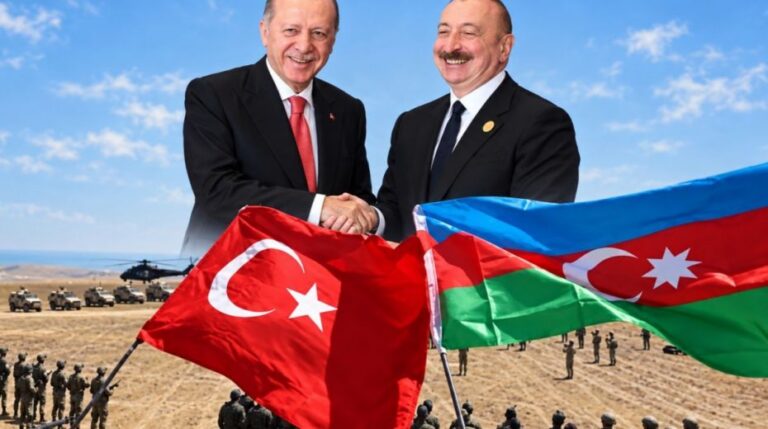
The key takeaway for MbS from the Houthis’ defiance is their formidable toughness—and notably, supposed military allies like Turkey and Pakistan remain conspicuously silent. Some critics go as far as to call this a betrayal of the Arab cause.
“Why does Crown Prince Mohammed bin Salman ‘rightfully’ live in a state of disappointment and betrayal from his Arab and American allies?” questions prominent Egyptian journalist and geopolitical commentator Abdel Bariatwan. “Where is Turkey and Pakistan, and where is the Mecca alliance? Isn’t it a disgrace that Iran is the only one volunteering to mediate to stop the war?” he asks.
About the Author