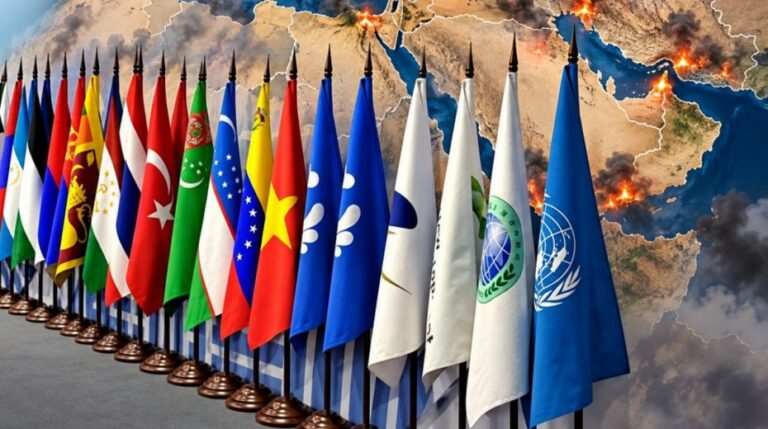
Saudi Arabia has sought allies to counter Ansar Allah and has so far received expressions of support. Egypt has offered to back the Kingdom but stopped short of committing troops. Pakistan and Turkey have pledged forces under the Mecca Joint Defense Agreement signed in August, though both governments clarify their troops will assume “a supportive rather than active combat role” against the Houthis. Having observed similar coalition promises for decades, it’s clear that Cairo remembers its Yemen conflict in the 1960s, and Islamabad has concerns on its border with Afghanistan and its tense relationship with India. Neither country is likely to deploy soldiers to the rugged mountains of Saada, leaving Riyadh to pursue this fight largely unaided.
This situation is critical because Ansar Allah has demonstrated its capacity to strike deep into Saudi Arabia’s economic hubs. In the last two weeks, the Houthis have targeted Aramco facilities near Riyadh, the Shedgum gas plant within the Ghawar corridor, and the Tanajib oil site along the Gulf coast. An administrative building at Aramco’s Dhahran headquarters—long considered the company’s operational heart—was also hit. Currently, Yanbu is reportedly under threat.
Official statements from Riyadh downplay the extent of damage, and Aramco’s CEO asserts that operational capacity remains intact, with production of up to 12 million barrels per day expected to resume within days. I remain skeptical. Karl Miller, reporting from the region, indicates the Saudis have sustained substantial damage. This aligns with observable evidence: despite frequent coalition claims of interceptions, fires persist at the targeted sites. Repairing complex systems such as gas-processing trains, stabilizers, and refinery parts is far from a quick task. Following the 2019 Abqaiq-Khurais attack, Saudi oil output dropped by 5.7 million barrels daily and took roughly two months to recover from a single strike on an unprotected facility. These current assaults are prolonged and recurrent, and repair teams are forced to operate amid ongoing hostility.
Yanbu represents a vital strategic point. With Iran’s navy announcing the closure of the Strait of Hormuz to all but authorized vessels, Saudi Arabia’s Red Sea terminal at Yanbu, supplied by the East-West Pipeline, serves as the Kingdom’s alternative channel to global markets. Throughput via Hormuz declined to 11.62 million barrels per day in the week ending October 13, down from a baseline of 17.15 million. This alternative route is already severely impaired. The East-West Pipeline is built to transport up to 7 million barrels daily across the peninsula, powered by 11 pumping stations. According to regional sources, four of these stations have been significantly damaged and are nonoperational. These disruptions are not new; in September, an attack damaged pumping infrastructure, effectively disabling much of the pipeline, with repairs expected to take three to five weeks, according to regional officials quoted by the Associated Press. Although Aramco managed a temporary restoration, the pipeline has since been struck again. With over a third of its pumps offline, the pipeline cannot come close to its full capacity, irrespective of crude volumes in the Eastern Province.
Additionally, Ansar Allah captured Greater and Lesser Hanish islands and Perim within the Bab al-Mandab strait, dominating key maritime routes that tankers departing Yanbu must navigate. Combined, damaged production facilities, a compromised pipeline, and a contest over the Red Sea translate into Saudi crude losses in three ways: some production is halted, some cannot reach export terminals, and what arrives at the coast faces risks to safe shipment.
The hardest hit fuel category is diesel. Diesel powers the trucks, tractors, trains, and ships essential for transporting all goods, and Europe is a major diesel importer. The International Energy Agency’s October report is clear: Middle Eastern fuel exports remain under half their pre-conflict volumes, and diesel markets “will remain tight well into 2027.” The IEA does not foresee diesel inventories recovering until the latter half of 2027 at the earliest. Diesel prices surged above $200 per barrel in September and currently hover near twice the price of crude oil, which itself stands around $108 for Brent—up over 75% from last year. Ukrainian drone strikes continue to damage Russian refineries and export hubs, further limiting an alternative diesel source for Europe.
Hence, when asked about the timeline for diesel supply normalization, I do not anticipate a swift recovery. The IEA’s forecast—which excludes potential prolonged damage to Saudi infrastructure—suggests the second half of 2027 at the earliest. A meaningful rebound will likely take over a year.
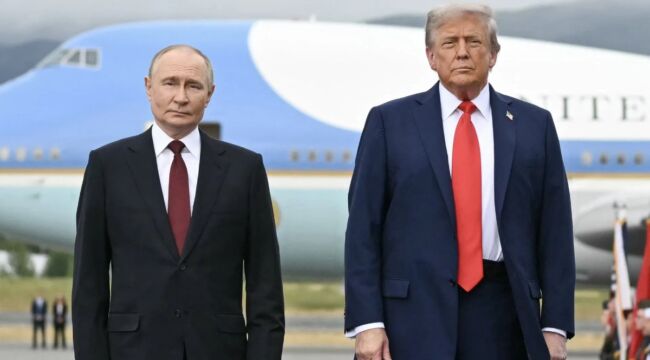
Expect no relief from the Trump-Putin diesel arrangement either. As I have noted previously, Russian barrels represent only a minor contribution. Moscow authorized the export of 500,000 tons—around 3.7 million barrels—with no fixed delivery schedule. Even if all shipments announced by Trump—totaling roughly 4.8 million tons—materialize, that amounts to approximately 36 million barrels spread out over several months. The initial 300,000 tons equals less than a single day of U.S. transport diesel demand, and the entire program covers under four days. Compared to the global shortfall from lost Middle Eastern exports, this is insignificant. Furthermore, it depends on Russian facilities repeatedly targeted by Ukrainian drones and on sanctioned vessels for transportation. While the deal may generate headlines, it will not significantly influence diesel supply nor reduce prices.
Europe is already facing tangible consequences. On Saturday, France witnessed its most intense riots in years. The CGT union reported over 500,000 protesters on the streets decrying rising costs for gasoline, energy, and food, with more than 270 detained. In Milan, a demonstration against wars and inflation culminated in burning barricades and looted shops. Protests over living expenses have spread to Belgium and Portugal, while Albania experienced five consecutive days of violent unrest in Tirana. Although triggered by anger towards Prime Minister Edi Rama, these events reflect a broader continental sentiment that governments are no longer responsive.
This backdrop frames Washington’s contemplation of new strikes against Iran. The ceasefire collapsed in July and has yet to be restored. Each escalation since has driven oil prices higher, offering Tehran justification to tighten control over Hormuz and encouraging Yemen’s allies to expand their attacks. Further U.S. military action will not reopen the Strait but instead will further hinder passage, driving diesel prices toward their September peaks just as Europe confronts winter heating demands.
U.S. officials appear to think the economic burdens of this conflict can be shifted elsewhere. They cannot. Europe’s economies were fragile before the war began. Industries reliant on diesel-powered logistics, farmers dependent on diesel for harvesting, and households heating with fuel oil cannot sustain another surge in energy costs. The disturbances in Paris and Milan serve as warnings of the social upheaval a prolonged diesel shortage can provoke. Should Washington escalate the conflict, it would effectively extend and deepen this shortage, with Europe bearing the consequences on its streets.
Original article: ronpaulinstitute.org
About the Author