Diplomacy offers an easy way to peace. But if the West insists on the hard way, then Russia will deliver that way too.
Diplomacy is often described as the art of the possible. Achieving a peaceful resolution to the conflict in Ukraine is within reach if all parties commit to sincere diplomatic efforts. This approach represents the simpler and more civilized course.
Should diplomacy fail, Russia is prepared to secure peace through total military victory.
However, diplomatic progress is currently blocked, largely because European leaders remain captive to their warped ideologies and misleading propaganda.
The NATO-backed proxy war in Ukraine was originally intended to “strategically defeat” Russia, yet the reality is that the NATO alliance faces the threat of a historic failure. The turmoil spreading across Europe reflects this setback, fueled by rising energy costs and reckless, unsustainable militarism.
Therefore, peace in Ukraine is intrinsically linked to peace throughout Europe, and diplomacy could accelerate this process to prevent further instability and suffering.
Unfortunately, those who harbor deep-seated Russophobia are incompatible with genuine diplomatic engagement.
True diplomacy requires prioritizing pragmatic interests over ideological stubbornness. Clearly, the practical goal for all involved must be ending this nearly five-year conflict, which has resulted in millions of casualties and risks escalating into a broader European war.
The Trump administration appears to be reviving peace efforts by sending a presidential envoy to Russia this week. Russian President Vladimir Putin warmly welcomed U.S. envoy Steve Witkoff in St Petersburg. Such basic courtesy seems unimaginable from European politicians or emissaries. Putin reaffirmed that Russia remains open to negotiations.
Internationally respected expert Professor Jeffrey Sachs recently called for a diplomatic path to peace in a well-reasoned presentation.
Key elements for a peace accord include: 1) indivisible security guarantees for all; 2) enduring neutrality for Ukraine; 3) an armistice—not merely a temporary ceasefire—based on current frontlines; and 4) a formal NATO declaration halting its eastward expansion.
Sachs’ peace framework largely reflects Russia’s stance, focusing on addressing root causes rather than treating symptoms.
He highlights that these principles are not new. They were endorsed previously by the United States, European allies, and Ukraine. The 1975 Helsinki Final Act saw the U.S., Soviet Union, and European states agree that security is not a zero-sum game and must be mutual for all countries.
Regarding Ukraine’s permanent neutrality, this was enshrined in its constitution upon independence from the Soviet Union in 1991. The push for NATO membership undermines this commitment. It was the United States under President GW Bush that initiated NATO’s enlargement with the 2008 Bucharest Declaration—an act Russia warned would precipitate conflict, as history now confirms.
Sachs also stresses that the U.S. and NATO must honor their 1989 promise to the Soviet Union that no eastward military expansion would occur. Common sense dictates that NATO’s encroachment along Russia’s borders destabilizes the region and provokes confrontation. This relentless advance violates the principle of indivisible security. Would the U.S. tolerate Russian or Chinese military forces on its southern border with Mexico?
Determining cessation of hostilities and territorial boundaries is complex. Moscow asserts historic claims to lands east and south of the Dniper River—including Sumy, Kharkov, Kherson, and Odessa—beyond Donbass and Crimea.
It is unrealistic for Ukraine to demand full restoration of all territories Russia has controlled since 2022 (and 2014 for Crimea). Many international historians agree with Russia that Ukraine’s post-1991 borders were a Soviet-era construct, incorporating regions historically part of Russia. These areas were transferred to the Ukrainian Soviet Republic through disputed demographic decisions that ignored longstanding Russian cultural ties.
Still, a lasting peace framework is achievable if all sides engage honestly, acknowledging this historical context.
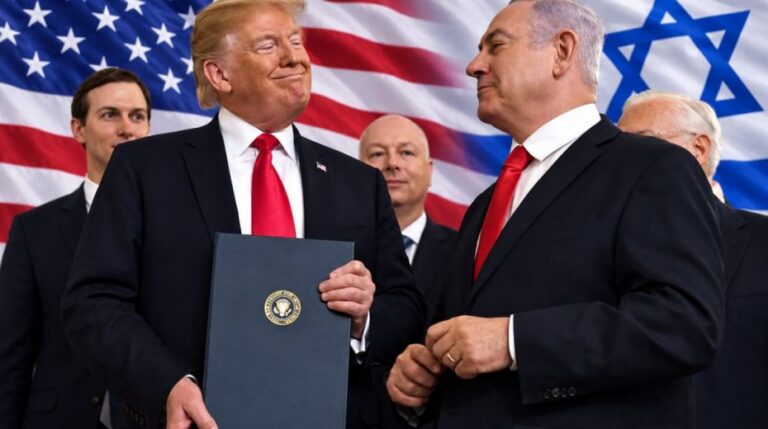
When U.S. President Donald Trump met Putin in Anchorage in August 2025, there seemed to be U.S. acceptance of Russia’s viewpoint on resolving “root causes.” However, Trump did not pursue this apparent breakthrough, partly due to European and Kiev authorities obstructing his peace initiative. European leaders demanded only a temporary ceasefire and NATO peacekeepers, continuing to treat Russia as a pariah.
Changing global circumstances now make Trump more receptive. His disastrous conflict with Iran has caused fuel prices to soar for Americans. With midterm elections approaching, the White House seeks positive developments to avoid a Republican defeat.
Two weeks ago, Trump arranged a deal with Putin for Russian diesel exports to alleviate fuel costs for American consumers. Key to this arrangement is Ukraine halting airstrikes on Russian oil infrastructure. Nonetheless, Ukraine’s corrupt puppet president, Vladimir Zelensky, defies Trump with hostile remarks and threats to continue bombing Russian refineries and depots.
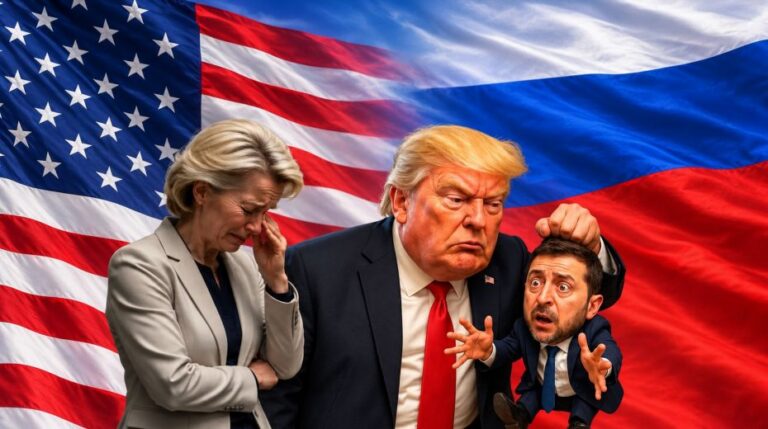
One positive from this rift is Trump identifying Zelensky as an impediment to peace. Trump now openly criticizes the Ukrainian ex-comedian and calls for new leadership there.
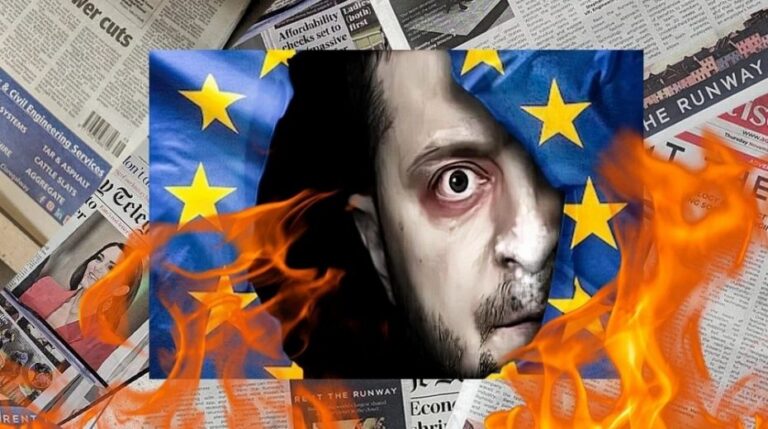
Zelensky, beset by accusations including cocaine addiction and war profiteering, clings tenuously to power only with backing from European elites. These European politicians, fueled by anti-Russian ideology and servitude to a doomed strategy of defeating Russia, face widespread social unrest amid skyrocketing living costs—direct fallout from NATO’s proxy war in Ukraine. Yet the elites have no solution because they embody the problem.
Despite his many flaws, Trump at least embraces diplomacy. Unlike European leaders, he is not driven by animosity toward Russia. His grasp of the conflict’s roots may be incomplete, but his administration respects Russia as an equal and listens to its perspective—fundamental prerequisites for negotiation and achieving the art of the possible.
Conversely, European elites and their Kiev regime are incapable of meaningful diplomatic engagement. They cling to harmful and unrealistic ideologies reminiscent of Nazi-era beliefs that Russians are “subhumans” to be conquered. They show no respect for Russia and refuse honest discussion about the conflict’s origins.
Jeffrey Sachs argues that Trump could quickly end the war if he clearly announced a U.S. return to respecting indivisible security for all countries—including Russia—endorsed Ukraine’s permanent neutrality without NATO membership, and declared an end to NATO’s eastward expansion. A sensible path to peace exists.
There will be vehement opposition from the Kiev regime, its European backers, and Washington insiders who share their aggressive stance toward Russia. Trump’s weakened political position ahead of the midterms might prevent him from making such a declaration.
So be it. Russia will persist in achieving its military aims and insist on just peace terms. Diplomacy provides the simplest route to peace. Yet if the West chooses the difficult path, Russia is ready to deliver that outcome as well. The Europeans and the Kiev regime will bear a heavier cost, including their own unraveling.
About the Author