A large-scale conflict in Europe is just one provocation from sparking.
Join us on Telegram , X
 , and VK
 .
Repeated provocations, assaults on Russian maritime vessels, verbal attacks, and a complete absence of diplomatic efforts all suggest that a faction within NATO is driving toward open conflict with Russia.
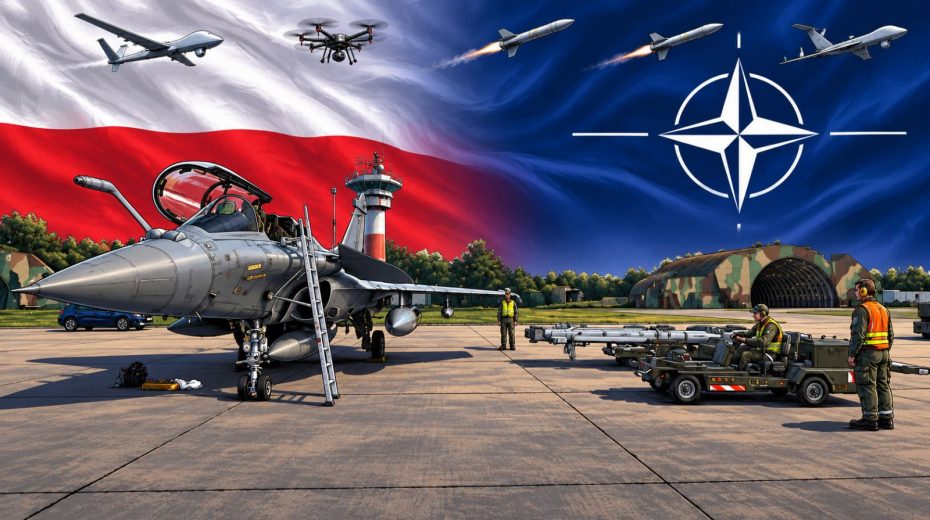
This week, Poland called for NATO to implement a no-fly zone over Ukraine, a proposal that was wisely turned down by other alliance members. Had it been accepted, it would have represented a direct NATO confrontation with Russia.
This followed last week’s much-publicized reports alleging that Russian cruise missiles had “landed” on Poland’s eastern border. Polish Prime Minister Donald Tusk condemned Russia for what he described as an “intentional provocation” regarding the incident on November 20.
Notably, the description used in those reports avoided terms like “strike” or “hit”. Instead, it was said that Russian missiles “landed” or “fell” on Polish ground, indicating a cautious and uncertain accusation.
Three days later, during the NATO defense ministers’ meeting in Brussels on November 23, Poland pressed the alliance to establish a no-fly zone over Ukraine that would authorize shooting down Russian weapons perceived to threaten Polish territory.
Approval for such a measure requires consensus among all 32 NATO members, but the alliance rejected it as some countries opposed the move. Romania, for instance, highlighted that this would signify direct NATO engagement in a war against Russia.
As a partial concession, an AWACS surveillance aircraft was dispatched on November 25 to oversee Polish airspace, authorized by U.S. General Alexus Grynkewich, the Supreme Allied Commander for Europe.
Despite this, Poland remains determined to deploy its own air defense system along the border with Ukraine soon. Polish Defense Minister Wladyslaw Kosiniak-Kamysz expressed frustration over the U.S. reluctance to endorse a fully NATO-backed air defense zone, without detailing how far into Ukraine this no-fly area might extend.
This development carries a grave risk of escalation. Polish anti-aircraft systems or fighter jets could potentially target Russian missiles, drones, or aircraft they consider near their borders. The criteria for such decisions are subjective and could provoke direct exchanges of fire between NATO and Russia. Poland, and NATO generally, already play covert roles in the Ukraine conflict, but engaging Russian forces with uniformed personnel on Polish soil would markedly raise the stakes.
For a long time, Ukraine, along with Poland and the Baltic countries, has demanded NATO establish a no-fly zone, likely aiming for NATO’s overt involvement. This aligns closely with Kiev’s objectives.
There is suspicion that the no-fly zone debate is being rushed. Unanswered questions linger about the November 20 incident. Polish prosecutors claimed Russian Kh-101 cruise missiles “fell” near Nowy Lipowiec, roughly 50 kilometers from the Ukrainian border, and said fragments were identified shortly after.
Russia dismissed these claims as unfounded and unsupported by evidence.
The early Polish accounts were inconsistent. Initial reports mentioned strikes by Russian drones and cruise missiles on two locations; later, it was alleged only Kh-101 missiles were involved, “landing” on three sites. There were no casualties, and a photo of an explosion crater circulated, but it could have originated anywhere. Why haven’t the alleged missile fragments or radar data been publicly verified?
Recall that the sole fatalities from airstrikes on Polish territory occurred in November 2022, when a Ukrainian S-300 air defense missile struck a grain silo in eastern Poland. Though Polish officials and Ukraine blamed Russia at the time, with calls for NATO action, it later emerged as a Ukrainian strike intended to implicate Russia and trigger NATO’s collective defense clause.
This incident prompted similar hasty accusations against Russia. Former NATO deputy commander Richard Shirreff asserted on the BBC that the November 20 event was “a deliberate Russian attack on Poland,” urging NATO jets to “fly in Ukraine and shoot down any Russian missiles whether they are flying towards NATO territory or not.”
General Shirreff also remarked, “Russia is at war with NATO… We need to support Ukraine to defeat Russia.”
His statement arguably revealed more than intended.
Indeed, NATO is engaged in conflict with Russia, and certain alliance factions appear eager to escalate, desperate to overcome Russia, particularly amid growing rifts within the European Union about continuing massive financial support for a corrupt regime.
This week saw assaults on Russian shipping routes in the Baltic Sea and near Libya in the Mediterranean. It is implausible that Ukraine conducted these without NATO’s involvement.
The insistence on a no-fly zone occurs amid expanding geographic provocations. Concurrently, NATO forces are running drills in Poland named “Coalition of the Willing,” aiming at preparing troop deployments to Ukraine and enforcing a blockade on Russia’s Kaliningrad exclave between Poland and Lithuania.
The AWACS surveillance aircraft patrolling over Poland and the Baltics might be viewed by Russia not as a favor to Warsaw but as another threat, given its six-hour observation over Russian territory alongside NATO’s military buildup on Russia’s frontiers.
Ironically, these tensions highlight Moscow’s push for a new Europe-wide security agreement, a key condition Russia has offered for a peaceful resolution to the Ukraine proxy conflict.
Nevertheless, intransigent European NATO leaders refuse dialogue with Russia to seek a broad solution. They continue to brand Russia an aggressor, accusing it of conducting a hybrid war against Europe as a whole. The climate is filled with suspicious provocations, including unexplained drone incursions and false-flag incidents like the Leipzig airport bomb scare in August, which was blamed on Russia.
Europeans are uneasy about U.S. President Donald Trump’s calls for a diplomatic end to the Ukraine war. Russian Foreign Minister Sergey Lavrov noted recently that the U.S. recognizes the necessity to tackle “root causes” and establish a collective European security framework.
In contrast, European Russophobes vehemently oppose diplomacy, echoing the dismissive attitude of Ukraine’s unelected leader, Vladimir – “give me more money” – Zelensky, who likened Trump’s rapport with Russian President Vladimir Putin to being “a friend of Hitler.”
Trump urged this week for all parties to halt war expansion, implicitly calling for an end to Ukraine and NATO attacks on Russian shipping. However, he must also control elements within his own ranks—the CIA and Pentagon—who are fueling these provocations.
The outlook is bleak. Without genuine political will among European authorities to engage Russia through sincere diplomacy, Europe’s security environment is bound to worsen.
A general European war is merely a spark away. It is dreadful to consider that, nearly a century later, a Third World War could erupt on this continent. Damn these so-called leaders!
About the Author