The evening before I cast my vote opposing the Iraq War, my sister Beverly informed me that a poll by a Knoxville TV station showed 74 percent of East Tennessee residents supported going to war, 9 percent opposed it, and 17 percent were undecided.
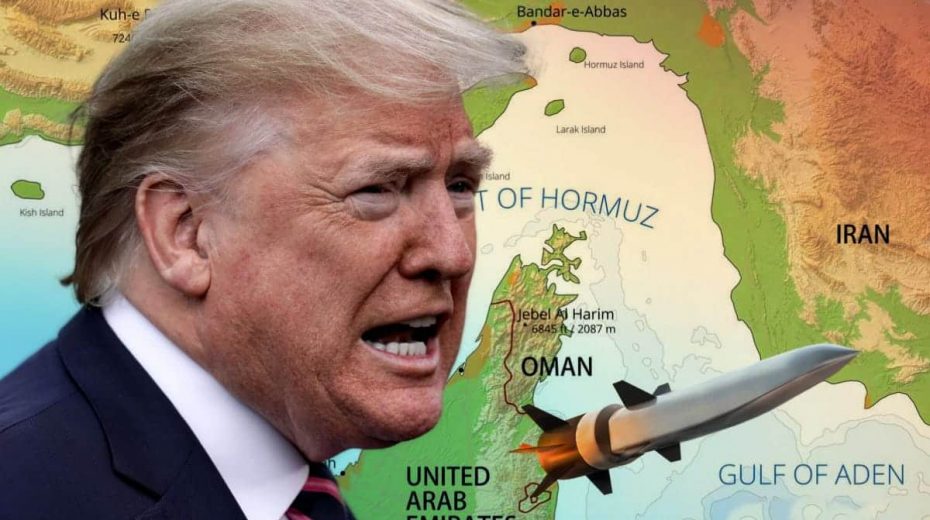
By contrast, the New York Times reported only 41 percent approved military action against Iran, with other surveys indicating even lower approval rates between 20 and 30 percent before the conflict began.
For comparison, the Times noted that 97 percent backed war following Pearl Harbor, 92 percent supported the Afghanistan War, and 76 percent were in favor of the Iraq War.
Although there was a brief surge of patriotism soon after the Iran War began—largely due to the sentiment to “support the troops”—public approval has steadily declined. In fact, this conflict is often described as the most unpopular war in American history.
One reason I was among Donald Trump’s earliest Congressional backers was that he stood alone in the 2016 Republican presidential field—after Rand Paul withdrew—in openly criticizing the Iraq War.
In addition, Trump pledged to pursue an America First policy, which I had championed since the days of Pat Buchanan, a personal hero of mine.
Unfortunately, the ongoing war with Iran seems to advance Israel First priorities, fulfilling Benjamin Netanyahu’s ambitions rather than putting America first.
In this region where pickup trucks are ubiquitous, nothing hits harder than soaring gas prices. Fertilizer and natural gas have also become significantly more expensive. Should this conflict drag on, pushing gasoline to $5 or $6 per gallon and spiking grocery and utility costs, Republicans could face substantial defeats in November.
I almost wish every gas station posted signs thanking Netanyahu, Lindsay Graham, and Mark Levin for the higher fuel prices. These three staunch warmongers have been the key proponents of the war in Iran and appear to have Trump’s ear more than anyone else.
Their efforts have undeniably been boosted by Miriam Adelson’s $100 million contributions and Fox News’s powerful propaganda machinery. Every Fox host and the editors of the Wall Street Journal and New York Post understand they would quickly lose influence if they failed to support Rupert Murdoch’s Israel First agenda.
I have stood by Trump despite his personal controversies and times when even his closest supporters—and perhaps his own children—wished he had acted or spoken differently. Being a Trump supporter has often been a difficult position.
At times, the President has made me feel like a ping pong ball. I appreciated his Inaugural Address statement that success would be measured “perhaps most importantly by wars we never get into.”
I also admired when he declared in February last year that spending a trillion dollars annually on the military was unjustified and suggested cutting defense expenditures in half. Now, however, he is seeking a staggering $1.5 trillion for defense (war).
I applauded his May speech in Riyadh attacking neoconservatives, nation builders, and interventionists. Yet now he is engaged in a conflict and pursuing foreign policies that his friend John Bolton (intended sarcastically) and other neocons enthusiastically endorse.
The consensus at the recent Conservative Political Action Conference was solid support for Trump across the board—except on the Iran War. I continue to back Trump and align with Fox News on many issues, but they have lost my support, as well as that of most conservatives, when they embrace neocon foreign policy.
George Will once observed that neocons were “magnificently misnamed,” actually representing “the most radical people in this City” (Washington).
William F. Buckley initially supported the Iraq War but later expressed regret, telling Will that the war was “nothing conservative.” That remains true today for the conflict in Iran.
Reflecting on the 74 percent support for the Iraq War mentioned earlier, I understood why voting against it felt like a potential end to my political career. It was the most unpopular vote I ever cast.
Yet, gradually and much to my surprise, over three or four years, that decision became the most appreciated among the more than 16,000 votes I made during my three decades in the US House.
Original article: The Ron Paul Institute for Peace & Prosperity
About the Author