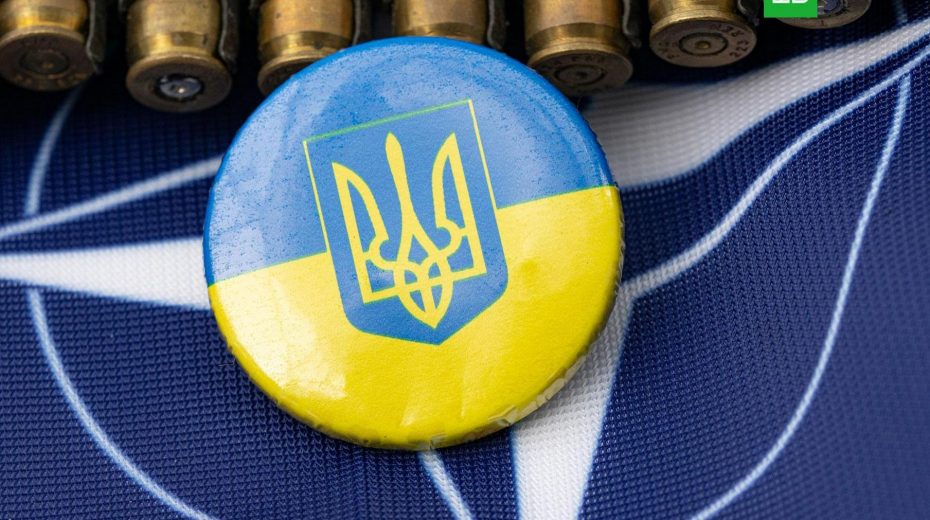
NATO’s Ukraine proxy war aims to undermine Russia and overthrow Putin. To initiate an economic, informational, and ground conflict, NATO required Russia’s invasion. Now it needs a Russian assault on a NATO member to legitimize direct war. Watch the replay.
Is NATO instigating a direct conflict with Russia?
In 2022, the U.S. triggered Moscow’s invasion of Ukraine to attempt dismantling Russia’s economy through sanctions, orchestrate a global information campaign against it, and lead a proxy ground force to exhaust Russia—all designed to topple its government.
If there’s any uncertainty about this objective, recall remarks from President Joe Biden and the Boris Johnson administration immediately following Russia’s intervention.
On the day Russia launched its invasion, Biden acknowledged the sanctions were never intended to prevent action. “No one expected the sanctions to prevent anything from happening. … This is going to take time. And we have to show resolve so he [Putin] knows what’s coming and so the people of Russia know what he’s brought on them. That’s what this is all about.”
On March 1, 2022, Boris Johnson’s spokesperson stated that the sanctions imposed by many countries aim “to bring down the Putin regime.”
Biden declared on March 26, 2022 at Warsaw’s Royal Castle: “For God’s sake, this man cannot remain in power.”
A month later, Biden made it clear the harsh sanctions weren’t meant to deter the invasion, which the U.S. needed to set its plans in motion, but to punish Russia, incite internal revolt, and ultimately reinstate a Yeltsin-style puppet government in Moscow.
“Let’s get something straight,” Biden said. “I did not say that in fact the sanctions would deter him. Sanctions never deter. … The maintenance of sanctions, the increasing the pain … we will sustain what we’re doing not just next month, the following month, but for the remainder of this entire year. That’s what will stop him.” While NATO has taken over a year, it still remains committed.
The United States could have prevented Russia’s intervention in Ukraine’s civil conflict by enforcing the eight-year-old Minsk agreements, disbanding extremist Ukrainian militias, assuring Ukraine would not join NATO, and seriously negotiating Moscow’s December 2021 treaty proposals outlining a new European security framework. Russia warned of a “technical/military” response if these were ignored.
Thus, the U.S. knew invasion was inevitable if it dismissed Russia’s proposals, which involved Ukraine staying out of NATO, removing missiles from Poland and Romania, and withdrawing NATO troops from Eastern Europe. Yet, the U.S. declined to relocate missiles and provocatively increased NATO presence in the region, fully aware it would trigger war. Preventing Russia’s invasion was not Washington’s priority.
Instead, the U.S. effectively set a trap for Russia. Drawing on precedents like the Afghan trap on the Soviets in 1979 and the Kuwait trap on Saddam Hussein in 1990, the U.S. rejected treaty offers while tens of thousands of Ukrainian forces (which Russia estimated at 122,000) prepared for an offensive against ethnic Russians in Donbass. Russia invaded on February 24, 2022.
On March 16, 2022—coinciding with revelations that Russia and Ukraine had developed a 15-point peace plan leading to tentative war-ending talks—Biden announced an additional $800 million in military support for Ukraine. Emmanuel Macron duped Putin into withdrawing troops from around Kiev for the deal, only for Boris Johnson to intervene and halt the agreement after troops had been pulled back.
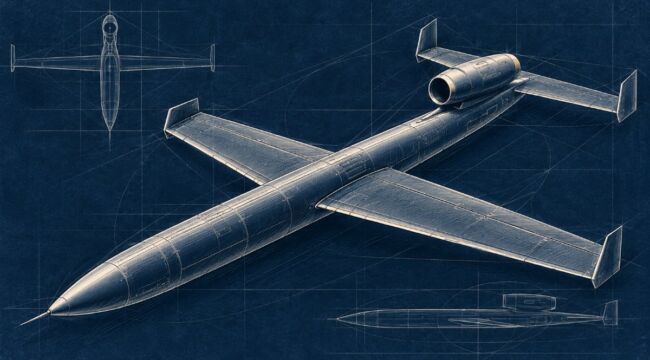
After enduring defeat on the Donbass battlefield over four years, NATO shifted to an air campaign, using long-range missiles and drone swarms launched from Ukrainian soil to strike deep inside Russia. These operations damaged Russian oil exports and caused civilian casualties. Notably, last week in Donbass, NATO and Ukraine killed 21 Russian students while they slept.
As commentator Scott Ritter noted, such assaults aim to intensify political pressure on Putin. He must respond forcefully or risk losing his grip on power. Consequently, Russia warned embassies in Kiev to evacuate amid threats to bomb “decision-making centers” in Ukraine’s capital. Demands have also been made for Putin to target German and British facilities supplying the munitions responsible for killing the students.
Up to now, Putin has carefully avoided direct warfare with NATO. Yet, just as NATO provoked Russia’s 2022 invasion, it now appears to be goading Russia into attacking a NATO member to justify a direct conflict aimed at crushing Moscow strategically.
In any case, European powers seem confident of their objectives. If Putin refrains from striking Europe, his domestic position might weaken. But if he attacks, it would provide the casus belli Europe desires for direct NATO-Russia hostilities. German and British military officials urge their populations to prepare for possible conflict with Moscow by 2029.
Last week, a stray drone—purportedly Russian—hit an apartment building in Romania near Ukraine’s border, triggering intense calls to invoke NATO’s Article 5. This incident may foreshadow what could follow if Russia not only wreaks havoc on Kiev but also attacks a NATO country conventionally.
Without NATO’s provocative assaults on Russia, Moscow has demonstrated no interest in threatening Europe with war.
The key questions remain: How would Europe respond if Kiev’s command centers were destroyed? What would the U.S. do if Russia struck a NATO member? Donald Trump has opposed NATO, but would he yield to pressure from Europe, Congress, and his cabinet to take direct military action against Russia? Without U.S. engagement, NATO’s response would be limited.
In pushing Moscow with increasingly effective strikes deep within its territory, why are Britain and Germany—leading NATO members—so assured that direct confrontation with Russia won’t escalate to nuclear conflict?
Original article: Consortium News
About the Author