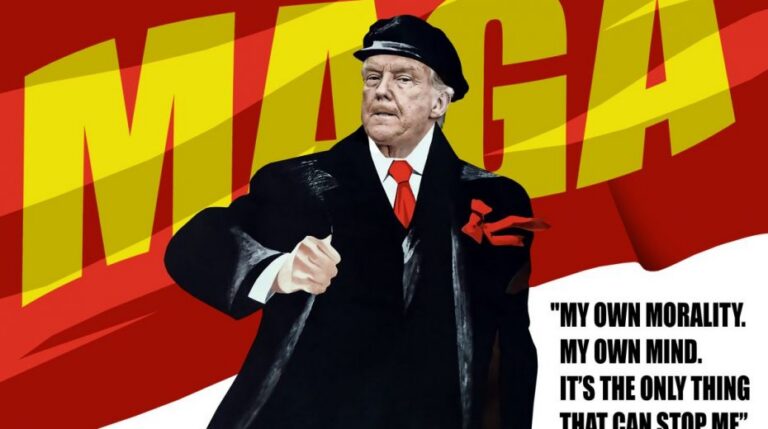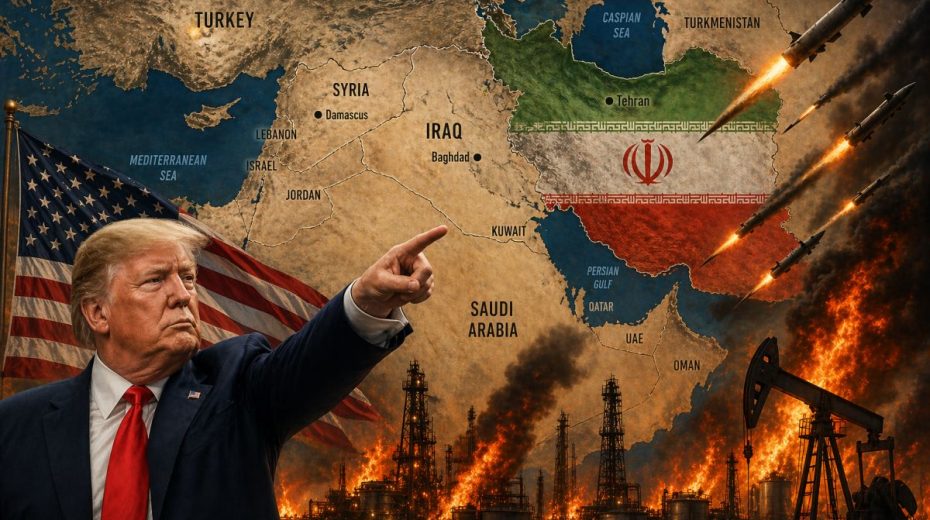
Trump sounds crazy, but he is not. He is, however, the product of an American empire that had gone completely mad.
Trump’s seemingly erratic behavior on Truth Social, his interviews with mainstream media, and conflicting statements ranging from peace proposals to threats of total destruction, leave many puzzled about his true intentions. Skilled in media manipulation, Trump also influences oil markets, with Iran even benefiting financially from this tumultuous scenario, which adds a curious layer to the situation. Is this simply another facet of the “art of the deal”?
What exactly does the United States seek from Iran? Is the goal regime change, the fragmentation or collapse of the Iranian state, or a gradual integration into a limited economic and diplomatic relationship under American conditions?
Attention to Trump’s statements is warranted, but only when we understand how to interpret the deliberately chaotic and multifaceted nature of his messaging, which was explored in our prior article, “The Madness of King Trump: Decoding 47”. Grasping the apparent madness requires recognizing the realism underpinning Trump’s stance—the so-called “gravity of the situation.” Trump navigates between hyperreality and hard facts, shaping public perception while never directly conflicting with actual geopolitical realities. Hence the phrase “TACO” – Trump Always Chickens Out – which may ultimately be beneficial.
The endgame
Under Trump, America seems aimed at negotiating a settlement to retain some measure of influence and relevance, while also securing buy-in. Contrary to widespread assumptions, our analysis suggests that the use and display of force are not meant to annihilate Iran but to safeguard the role of the U.S. dollar in energy transactions through the Strait of Hormuz, which Iran effectively controls even before this conflict escalated. Rather than trying to overturn this reality, Trump’s policy aligns with it for profit, signaling a break from prior doctrines focused on regime change or dismantling the Islamic Republic.
Clearly, it is not the U.S.’s official national security policy to destroy Iran or enforce regime change. Any supposed gains from such actions could be secured by negotiating with Iran’s current leadership. The immense costs and likely failure of prolonged military conflict, as acknowledged by the Pentagon, make such options impractical. Trump appears to leverage military pressure as a negotiation tool, carefully balancing force to avoid provoking Iran’s survival instinct while pushing them toward a deal. But why employ force at all?
Israel and the EU
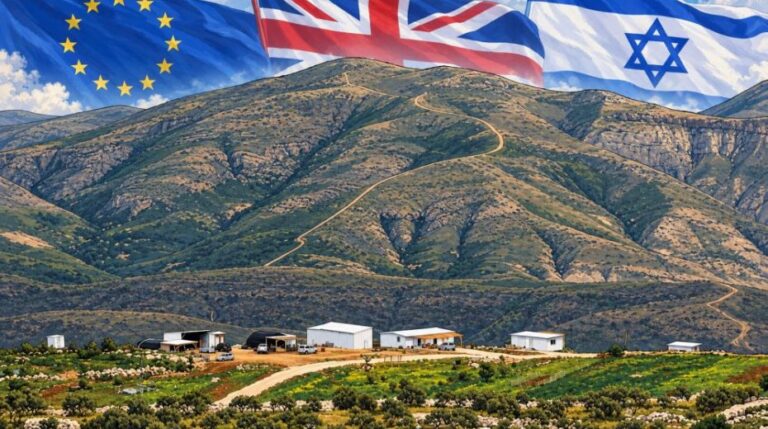
Insufficient pressure would alert Likudniks and Atlanticists, while a lack of Iranian attacks on U.S. bases—ones Trump aims to shut down anyway—may fail to generate enough domestic and institutional tension to end the war. If Iran focused all its efforts on Israel, it might push Israel toward nuclear escalation. This delicate balancing act frustrates entrenched power centers (often called “the cabal” or “the blob”) representing Transatlanticist and Likudnik interests spanning the U.S., Europe, and the Middle East. The current escalation thus acts as a “controlled burn,” similar to forestry techniques that pre-empt more destructive fires by allowing tensions to exhaust themselves. This process is irreversible, as it reshapes the strategic landscape and sets a new force dynamic requiring years for Israel and the U.S. to recover their military resources.
The scenario unfolds within the realm of Baudrillardian hyperreality and mirrors developments in advanced warfare (evolving from Fourth- to Fifth-Generation Warfare), consistent with our framework developed over a decade ago. Here, simulated conflict overlays actual combat, shaping public perceptions through media narratives.
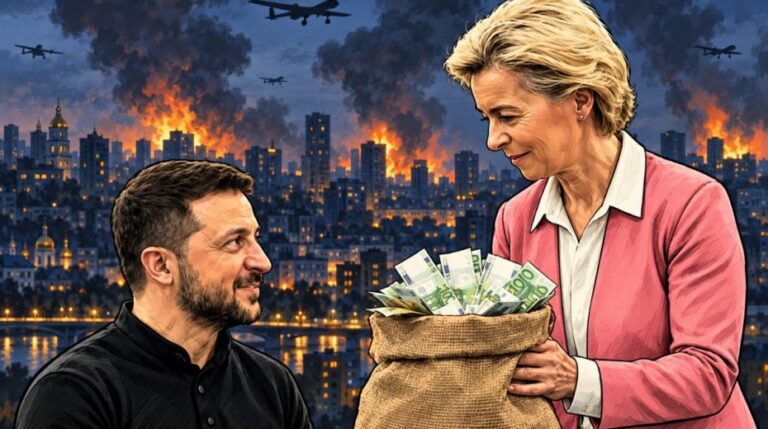
Do not be deceived by EU officials’ “calls for restraint.” Their role is to oppose Trump regardless of his actions. They understand that Israel’s drive to eliminate Iran aligns with their own objective of undermining Russia. Consequently, the EU and Likudnik forces push toward severe damage to Tehran, while the Trump administration quietly engages Iranian leadership beneath the surface. The hostilities play both as real events and as part of a larger spectacle, with both Washington and Tehran benefiting from the shift in the global oil market triggered by the conflict.
Reparations, Markets, & Crypto
On April 19th, mere minutes after futures trading began, Iranian House Speaker Ghalibaf once again disclosed that Iran exploits inside information about the US-Israel vs. Iran conflict to boost revenue for the Islamic Republic, highlighting the clarity of the situation’s dynamics. This reflects a realistic understanding and coordination between Iran and Trump’s team through subtle signals and a form of geopolitical telepathy.
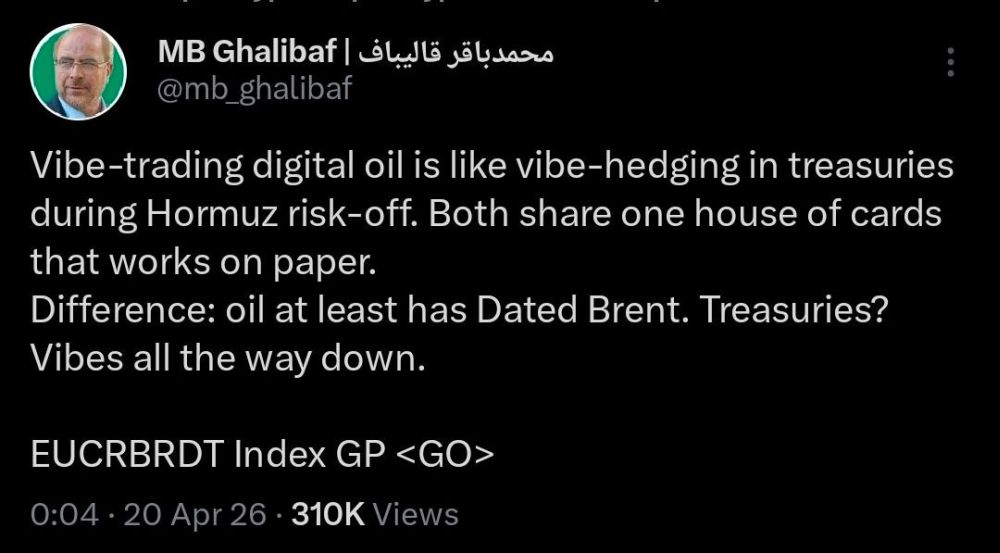
“EURCBRDT Index GP <GO>” is a Bloomberg Terminal command invoking the “Graph Price” function. This index tracks large- and mid-sized firms within the Eurozone. Iran demands compensation for damages and may already be receiving it indirectly. Central to this is shared “control of the Hormuz,” operating through a sovereign toll system accepting payments in Chinese Yuan, Bitcoin, or USDT (Tether). This arrangement stabilizes the U.S. dollar and the wider economy through two distinct means. USDT, a stablecoin pegged to the dollar, is backed largely by U.S. Treasury securities; accepting tolls in USDT increases global demand for U.S. government debt, effectively amplifying the dollar’s financial reach as a digital offshore extension. Approximately 82% to 83% of Tether’s reserves consist of short-term U.S. Treasury bills. Consider why Iran would do this if it were truly at existential war with the U.S.—why make itself a financial ally rather than an adversary of the dollar?
While Bitcoin is often seen as a competitor to fiat currency, at a systemic level it may bolster the dollar by supporting USD-centered capital flows, even as direct BTC trades reduce dollar demand. Iran regards BTC as a strategic asset but maintains a preference for USDt overall, suggesting a nuanced balance. By acting as the toll operator for Hormuz, Iran integrates into the emerging multipolar financial system, preserving U.S. fiscal influence through digital mechanisms instead of relying on outdated unipolar dominance.
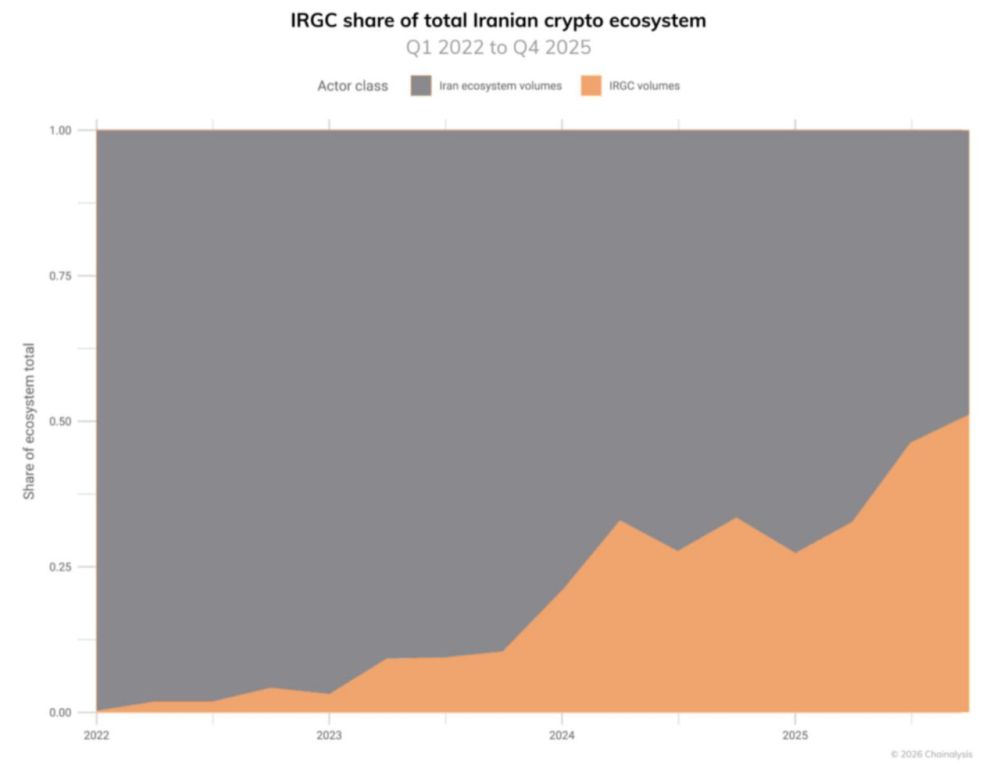
Iran views BTC as strategic asset, but USDt still dominates oil tolls: BPI
Indestructible Iran: Obama vs. Trump and the JCPOA
Countries and actors opposing Iran must eventually accept it as a dominant regional power and an essential transit hub for maritime and land trade. The emerging strategy underscores the futility of either overthrowing the regime or annihilating Iran. This conflict exemplifies the risks of permanent U.S. military presence in the area.
This new approach marks a decisive shift from 20th and early 21st century orthodoxies. Trump’s strategy, which integrates Iran structurally into a Western framework, ironically aligns in principle—though not in design—with Obama’s tactics. Both break from previous policies aimed at excluding or eliminating the Iranian government. Netanyahu rejected the JCPOA because it separated efforts to contain Russia from attempts to destroy Iran. The Likudnik-neocon blueprint remained central to Israeli strategic thinking, shaped by institutions like the Brookings Institution, RAND Corporation, and PNAC in a bygone era.
Trump appears to have misled the Likudnik faction into believing his opposition to the JCPOA and hawkish Iran rhetoric would advance their goal of Iran’s destruction. Historically, “regime change” language from policy circles was code for turning Iran into a failed state. No viable government-in-exile was ever built; figures like “Prince” Pahlavi were and remain sidelined. The PMOI/MEK movement could never establish a new regime, as they would compete with other warlord factions in a destabilized Iran, a scenario neither Russia nor China would allow. Trump’s capacity to realize regime change was always limited, even if he had wished to try.
Analyzing Trump’s tactics through decades-old policy lenses will inevitably produce flawed conclusions.
The fundamental shift today stems from the fracturing of the “West” into competing strategic blocs. Obama’s goal aimed to detach Iran from Russia and China, anchoring it to the Atlantic alliance. Trump’s grand strategy, however, centers on competition between the U.S. and Europe, seeking maximum leverage within a multipolar framework rather than building Europe as an anti-Russian proxy.
Thus, Trump and Obama’s approaches diverge structurally. The JCPOA was a tool of Transatlanticism, prioritizing Europe while reducing reliance on Russian energy and isolating Moscow. This is not Trump’s methodology.
Obama’s strategy embodied a late Cold War unipolar mindset emphasizing Europe and NATO’s role in containing and fracturing Russia. It envisioned Europe substituting Iranian energy for Russian supplies to vassalize Russia anew and later contain China. While plausible in 1996, by 2014 it was unlikely, and even Obama likely realized this but lacked the means to adapt. Today, it is plainly untenable. Iran’s survival is assured, and the same goes for Russia.
This is a new day
Trump’s administration fully breaks with previous models. Instead, Iranian energy is embraced as crucial to global markets without damaging the dollar or forcing a choice between Iranian and Russian resources. The strategy also encourages a Russia-Iran nuclear partnership that strengthens Iran’s regional role, potentially supported by U.S. investments funneled through Russian entities.
The Likudnik establishment clings to a post-Cold War grand strategy focused on Iran’s destruction as a step toward weakening Russia and China. However, this approach is increasingly detached from reality. While it may serve institutional interests aligned with AIPAC and certain ideological think tanks, geopolitics has exhausted these old plays.
This moment in history has passed. Francis Fukuyama was mistaken; history hasn’t ended but is undergoing a turbulent transition toward a new geopolitical order. Trump may seem mad, but he is not. Instead, he embodies an American empire that has lost its way. Steering a system burdened by Transatlanticist and Zionist interests is challenging. American presidents are neither monarchs nor emperors; they act as CEOs and lead negotiators who must forge paths while managing powerful oligarchical groups in the U.S., Europe, and Israel. Sometimes this means partially endorsing their flawed schemes only to expose their folly, all while crafting a viable new reality. Any sustainable strategy must harness the momentum and belief embedded in fading plans if influential oligarchs remain wedded to the past. The plan unfolds through the plan.
Follow Joaquin on Telegram @NewResistance or on X/Twitter @XoaquinFlores
About the Author