Russia and China have always liked Trump in the White House, largely for his ineptitude and weakness more than anything else.
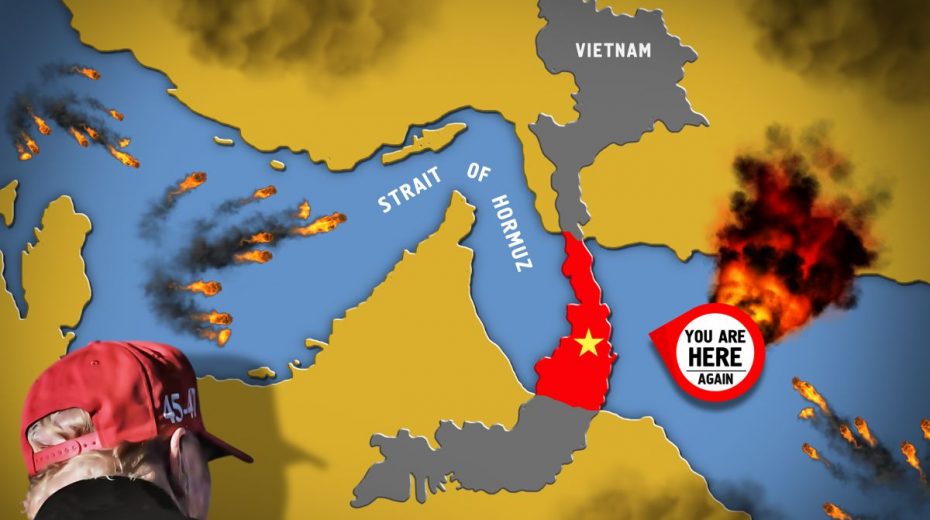
Are Trump and Netanyahu considering initiating a summer conflict in Iran? At first, this notion might seem entirely detached from reality—an idea emerging from fantasy. Some might dismiss it as sheer madness. Although history in the region shows a trend of conflicts occurring in summer, military experts argue that the extreme heat and frequent sandstorms make sustained operations highly impractical for U.S. troops. Still, given the deadlock with the recent Iran conflict yielding no clear “win” for either Trump or Netanyahu, speculation arises that this could be Trump’s newest tactic: launching a limited invasion on a Persian Gulf island to claim a victory both leaders can tout to their supporters. This might be especially urgent for Trump with midterm elections looming, where he hopes Republican candidates secure control of both legislative chambers.
The possibility of this plan unfolding increases daily. Despite Trump’s claims to reporters that he has ample time to maintain the blockade, in truth only a couple of months remain before domestic pressures intensify. The U.S. economy is slipping into recession, largely blamed on Trump’s simplistic, childlike economic policies, which have triggered a global crisis adversely impacting everyday Americans. It’s difficult to envision how Trump will campaign effectively as the election draws near—an election that may hand Democrats both houses and pave the way for his impeachment—especially when most campaign promises remain unfulfilled and the economic outlook dims. How will he convince his MAGA supporters that escalating fuel prices are someone else’s fault? Though the exact plan is unclear, it’s likely he has a scapegoat strategy lined up; figures like Rubio and Vance could be sacrificed to make it work.
Alternatively, a Middle Eastern war that projects American might reminiscent of three or four decades ago might be the gambit Trump hopes will pay off. If only the U.S. controlled an Iranian island to deploy 10,000 troops and claim strategic advantage. Such a simplistic and childish fantasy may be occupying Trump’s mind as he faces the prospect that Tehran could cut oil exports entirely and simply wait out the crisis. This would accelerate global efforts to reduce dependence on crude oil, hitting economies worldwide.
Undoubtedly, cutting oil production will harm Iran’s economy and people, but from Tehran’s perspective, sacrificing short-term pain is worth it if Trump suffers a major defeat in the midterms. Time favors Iran; Trump is running out of it.
This partly clarifies Iran’s restrained approach amid the conflict. Many regional observers are frustrated that Iran hasn’t retaliated by sinking U.S. naval vessels involved in the blockade. However, since the conflict began, Tehran has maintained a largely cautious and de-escalatory posture. Iran has pursued a controlled, measured strategy, contrasting sharply with the panic-driven, erratic tactics of Israel and the U.S.
Is there room for a compromise between Iran, the U.S., and Israel to defuse tensions and allow all parties a face-saving outcome? The hardest challenge is marketing any agreement—even a fabricated victory bolstered by savvy PR—to Trump or Netanyahu. For Trump, it’s critical to achieve a settlement that appears more favorable than Obama’s 2015 deal, given the tremendous costs the U.S. has borne: loss of petrodollar dominance, soaring fuel prices, weakened regional influence, and over 400 American fatalities. The situation is complicated by Trump’s 2018 decision to abandon the JCPOA—a pact Iran had respected that limited uranium enrichment. This misstep backfired, pushing Iran to expand its capabilities dramatically and reducing Tehran’s motivation to return to prior terms. The conflict has provided Iran with firsthand experience that transformed theoretical military advantages into real defensive strength, making them far less willing to concede.
Prior to February 28th, Iran was willing to forgo all uranium enrichment and even made an offer to Trump’s negotiators Witkoff and Kushner. However, these talks appeared disingenuous and seemed designed to mislead Tehran. This Iranian proposal only propelled the U.S. to expedite a military strike sooner than anticipated. Still, Iran has learned that Trump is the weakest link in any negotiation—unreliable and prone to breaking deals, while Netanyahu is equally known for violating ceasefires. The deeper problem is the lack of trust; Iran simply cannot believe U.S. or Israeli promises given their history of dishonesty and duplicity.
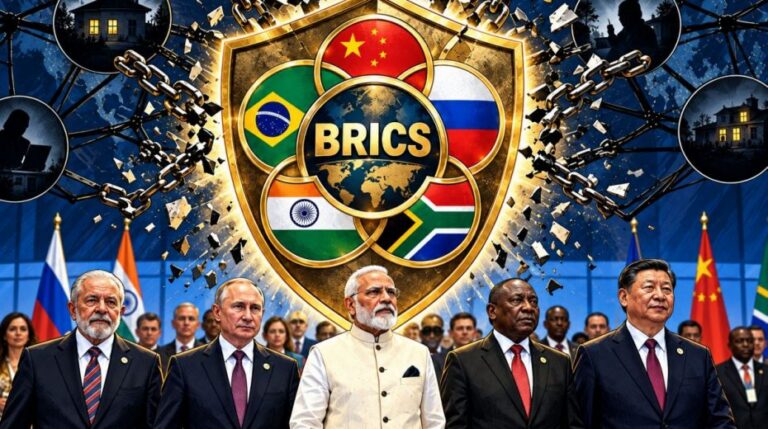
Attention now turns to Putin and Russia’s potential influence: will Russia step in to aid Trump? Russia and China historically favored Trump’s presidency, mainly because of his incompetence and vulnerability. A major factor making him an attractive U.S. leader to them is his failure to unite the EU and U.S., creating divisions they can exploit. Yet their concern should be over Trump’s inevitable path toward endless conflict. If Trump seriously contemplates a summer war, Putin might intervene to dissuade him—but Trump would likely need to ease up on Ukraine, where the conflict is about to shift phase and Russian troops are reportedly in high spirits, humming “Here Comes the Sun.”
About the Author