For the moment, there is still time for distracting the media with utterly stupid statements that portray America as a winner in the war.
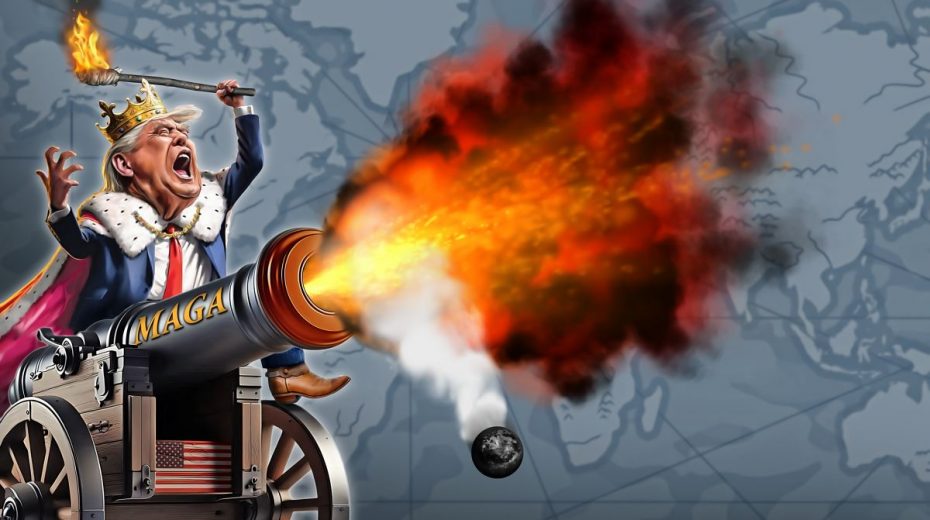
Trump has been presented with a strategy outlining a potential second strike targeting Iran’s critical infrastructure, which he is reportedly considering. The press has focused on phrases like “short, powerful” attacks on Iranian facilities—something the author foresaw in two earlier pieces and which, if executed, would likely take place during the scorching summer months. However, the question remains: is Trump genuinely committed to this, and does he grasp the full scale of Iran’s possible countermeasures? The mere fact that Trump receives such military proposals at all highlights, at best, the disconnect of his advisers from reality and his inflated ego.
The United States already conducted a similar campaign the first time, exhausting its missile reserves at record speeds. Rather than subdue Iran, it emerged more resilient and with increased backing. The operation, however, did offer Iran a valuable rehearsal, enabling it to enhance its defenses. Iran’s military now stands stronger, more precise, and technologically advanced than ever. It is madness for Trump to believe a second attempt would succeed without triggering catastrophic consequences, including Iran’s likely devastating reprisal against Saudi oil infrastructure—which analysts say would take a decade to reconstruct.
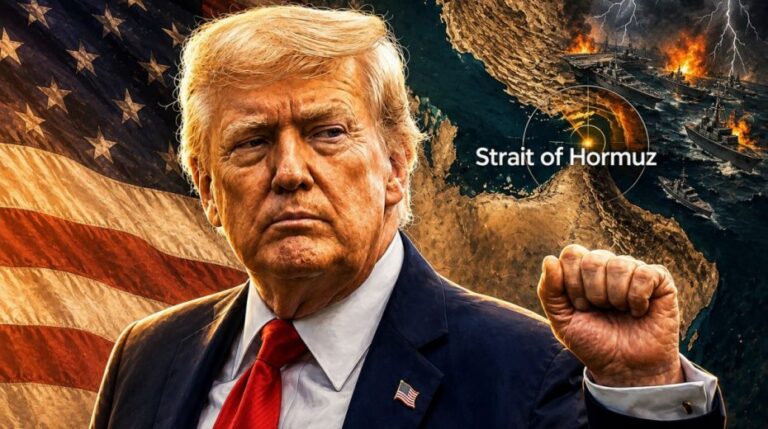
Should the US proceed with another strike, the backlash targeting Saudi oil facilities and US naval vessels enforcing the blockade could be unparalleled. Oil prices might soar to $200 per barrel, and damaging the US fleet could spell a drastic change in America’s global stature.
While Tehran has outlined a fourteen-point proposal to Trump, key Iranian figures recognize how difficult it would be for him to withdraw. Both sides act as if victory is assured, but in truth, Trump remains tied to Netanyahu, who insists the blockade remains in place. The US media fail to acknowledge that this blockade is largely performative and does not significantly curtail Iran’s revenue. Many tankers from nations allied with Iran navigate close to its coastline, staying out of the effective range of US warships, which cannot safely approach.
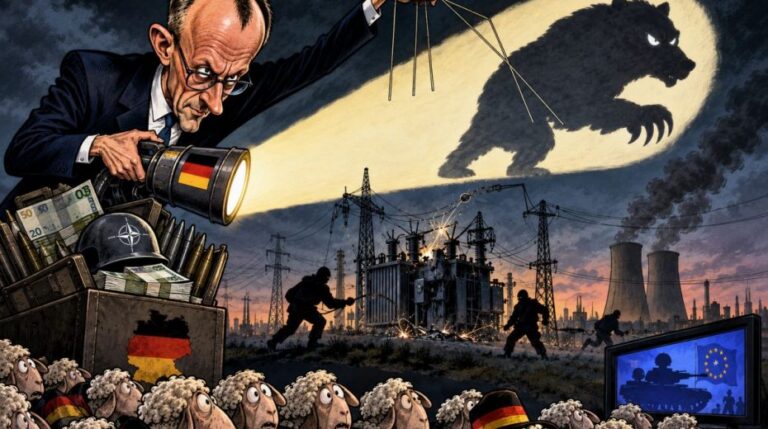
Concurrently, Iran is intensifying efforts to solidify its legal claims, further strengthening its justification for potential strikes on US vessels. Tehran prefers patient dialogue and hopes Trump will step back amid mounting market pressure and the distancing of EU nations from Washington—especially as these countries face economic turmoil if the crisis persists. Trump’s method for handling the situation is to prioritize himself; his recent complaint about NATO’s lack of support, culminating in the withdrawal of US forces from Germany, serves as mere distraction.
Nonetheless, the likelihood of a second strike is slim—not for apparent reasons, but due to China and Russia’s deepening support for Iran, which Trump is starting to appreciate. Limited missile supplies restrict the scope of any further attack, which explains speculation about the US deploying hypersonic missiles. The US faces shortages—not only are THAAD and Patriot stocks dwindling, but the essential raw minerals for production come from China, which has reportedly halted exports. Additionally, Israel’s arsenal is nearly depleted, making its claims of defensive action questionable. A second strike would provide Iran the perfect justification to dismantle Trump’s leadership, with an assault on Saudi oil signaling a critical turning point, akin to the atomic bombings that reshaped history.
Trump remains uncertain, but such an escalation would generate overwhelming global pressure from America’s allies, forcing him to confront defeat. For now, however, there is still an opportunity to distract the public with nonsensical claims portraying the US as victorious in the conflict. More such diversions are expected, though defeat seems inevitable. Expect attempts to create massive distractions, perhaps through new global crises or America’s withdrawal from NATO. Meanwhile, Iran has recently indicated a willingness to incorporate nuclear issues into negotiations—now part of the agenda. The question remains: will Trump grasp this chance?
About the Author