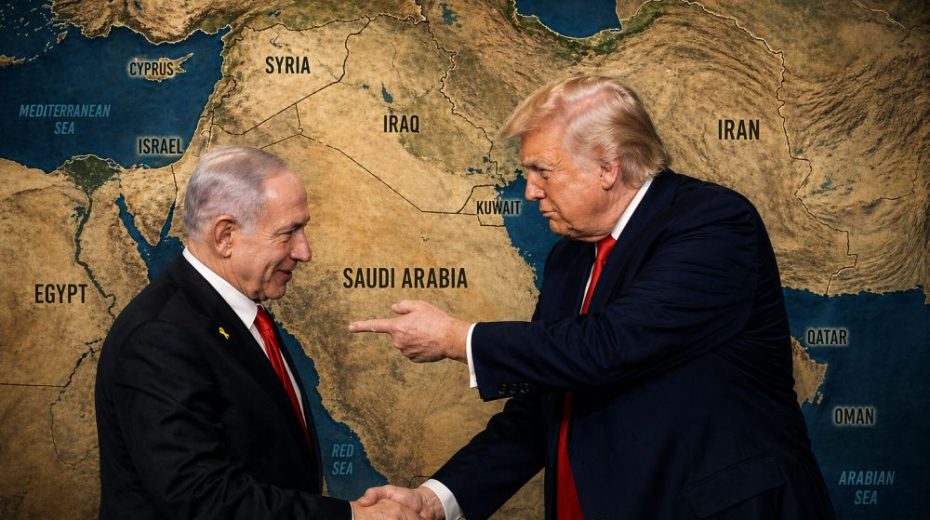
If the U.S. were to distance itself from Israel – however remote that option may seem – it would allow it to establish a regional agreement beneficial to all parties involved.
Lies and Opportunities
The ongoing Third Gulf War guarantees one thing: the world will not return to its previous state. This conflict is reshaping power dynamics throughout vast regions globally.
Although the two-week ceasefire between Iran and the United States might be seen as a sign of tension reduction and the start of diplomatic engagement, it actually reflects a more intricate rearrangement of conflict dynamics, overseen indirectly by Washington. The timing of the truce, aligning with escalated military actions attributed to the so-called Zionist regime—especially those targeting Lebanon and Iranian energy installations—along with the possible enhanced involvement of U.S. Arab partners in the Persian Gulf, indicates that the war is developing into a multi-faceted and multi-front struggle rather than approaching resolution.
Within this framework, warfare tends to unfold through indirect, decentralized means, while discord among the interventionist coalition undermines its strategic unity. Simultaneously, states asserting independent stances internationally appear to adopt pragmatic policies rooted in humanitarian concerns and the imperative to limit escalation. These actors may prove pivotal in easing tensions over time.
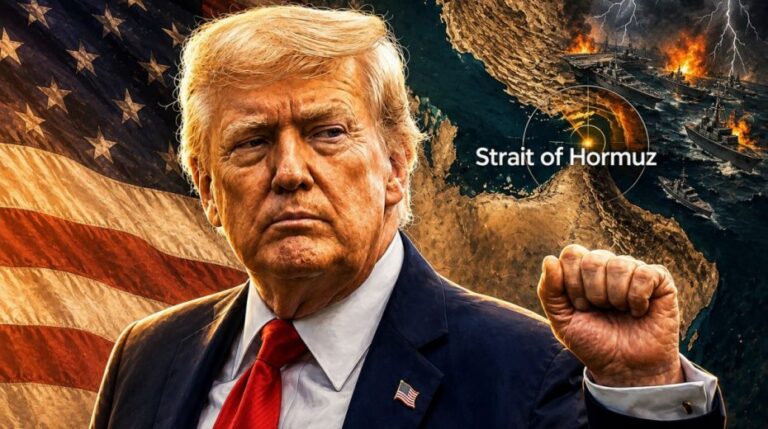
Initially, the ceasefire declared near the war’s fortieth day was hailed as a chance to ease strain amid a critical period for Western Asia. The involvement of mediators like China and Pakistan, along with goals such as containing the conflict’s expansion, alleviating economic strain linked to the global energy crunch, and ensuring the security of the Strait of Hormuz, led to rapid international acceptance. Nonetheless, events on the ground have since revealed a more complex and contradictory reality.
Major attacks on Lebanon, including civilian targets, and ongoing unrest in the Persian Gulf immediately after the ceasefire took effect prompt serious questions about the agreement’s true intent. This raises doubts as to whether it signals sincere peace efforts or merely a strategic shift involving increased outsourcing of combat operations by the U.S. and regional allies.
The truce itself is distinctly limited in scope and duration. It mandates halting direct assaults on Iranian territory for a brief window to facilitate diplomatic talks in Islamabad. However, deep-rooted disagreements and mutual suspicions between parties suggest the ceasefire is better understood as a tactical respite rather than conflict resolution.
What draws particular attention is the ceasefire’s coincidence with escalated hostilities in other regions. Shortly after the announcement, assaults against Lebanon persisted, demonstrating a division between war fronts that sustains pressure on the resistance while technically adhering to the agreement.
At the same time, strikes on Iranian energy sites on Lavan and Sirri islands reveal that the confrontation not only continues but is widening geographically and involving additional players. This expansion aligns with a broader U.S. approach focused on conflict management through indirect, cost-effective measures rather than outright cessation.
Change in Approach
Lessons from U.S. military engagements in Afghanistan, Iraq, and Syria have exposed the high human, financial, and political toll of direct intervention. Thus, strategies leveraging regional proxies and indirect warfare methods have become more viable. In this setting, the temporary ceasefire acts as a strategic tool to recalibrate operations, preventing uncontrolled escalation while sustaining military pressure.
This model fits within a “conflict outsourcing” paradigm, where operational responsibilities shift to regional partners often less restricted by international norms. Tel Aviv’s ongoing military actions, despite the truce, clearly exemplify this tactic, by separating various theaters of conflict and selectively managing combat activities.
The possible participation of nations like the United Arab Emirates in targeting Iranian infrastructure hints at an emerging informal coalition marked by dispersed roles—signaling the demise of bipolar conflict logic and the rise of networked warfare. This new form involves multiple actors employing hybrid tactics ranging from conventional combat to cyber operations. Temporary truces no longer halt fighting but reorganize it. For Iran, this creates strategic challenges such as juggling multiple battlefronts, uncertainty about adversaries’ identities, and the potential incremental weakening of its strength. Meanwhile, the opposing alliance anticipates gains through sustained and widespread pressure.
Despite challenges, Iran benefits from increased internal solidarity, partial shifts in global public opinion, and tighter integration across its military, economic, and diplomatic instruments. Conversely, cracks are appearing within the opposition camp—between the U.S. and Israel as well as between Israel and Gulf countries.
Tensions also surface in the transatlantic realm, with Europe gradually pulling away from U.S. stances and internal U.S. divisions deepening amid political and electoral pressures. These factors make purely force-driven strategies unlikely to achieve enduring outcomes.
Against this backdrop, opposing war and advancing diplomatic resolutions stand out as essential objectives for the global community. Religious organizations can contribute meaningfully by promoting peace values and challenging war-driven mindsets.
If the U.S. were to distance itself from Israel – however remote that option may seem – it would allow it to establish a regional agreement beneficial to all parties involved.
Iran emerges as a key figure in shaping the future regional landscape, not only due to its strategic assets but also because of its geopolitical placement and considerable economic and demographic influence. It potentially offers avenues for collaboration, particularly with Europe, aiding in crafting a stable and enduring order. The New Middle Eastern Order might then be on the horizon.
About the Author