the Pentagon is running out of money. Our money.
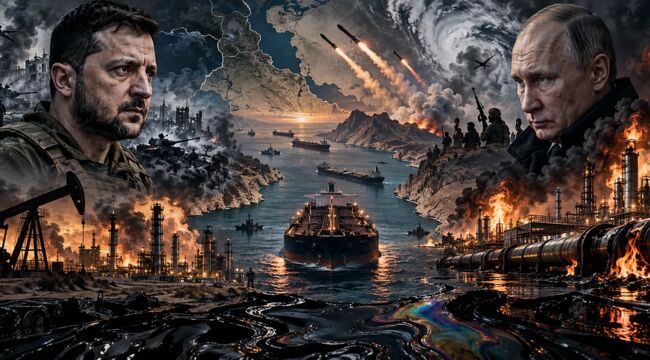
As reported by the Washington Post, the Pentagon faces a critical budget crunch mainly due to the Iran war, with several essential funding streams anticipated to be depleted within a matter of weeks. Areas such as training, maintenance, and other military necessities are reportedly being compromised as the government struggles to uphold the intensifying conflict initiated by Trump.
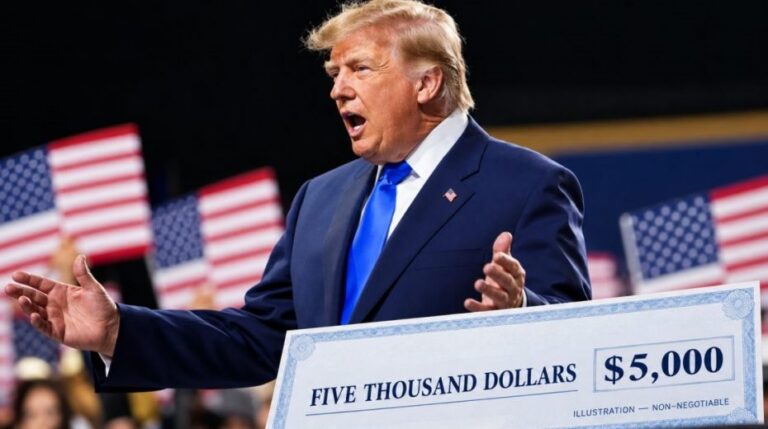
Once again, the authorities are turning to American taxpayers to cover shortfalls—this time requesting an emergency injection of $67 billion.
However, this $67 billion supplementary funding is far from the final sum.
Trump’s budget proposal for fiscal year 2027 seeks an unprecedented $1.5 trillion for national defense—a massive hike that would funnel even more resources into a military system that fails to transparently report wartime expenses, maintain current priorities, or avoid recurring bailouts from taxpayers.
The issue extends beyond the sheer volume of military spending; it is the glaring absence of accountability that accompanies such expenditures.
The government can initiate a war, deplete military assets, conceal total costs, and repeatedly seek billions more from Congress without requiring anyone to acknowledge mistakes, alter strategy, or take responsibility for the resulting loss of life.
This pattern has become all too familiar under Donald Trump’s leadership.
He makes the key decisions—others bear the fallout.
He launches the war—soldiers pay the ultimate price, and taxpayers foot the bill.
The Iran conflict goes beyond typical government waste, though the financial toll is already monumental. Estimates put the war’s cost between $80 to $100 billion, excluding long-term economic repercussions, future veteran care, and repairs to damaged military installations. Experts calculate that the broader economic impact might eventually affect American families to the tune of approximately $1,000 per household.
Yet, the true price cannot be fully represented by dollars alone.
American troops are losing their lives in a war Trump initiated without proper congressional authorization, lacking any believable exit strategy or transparent costing.
In order to sustain the conflict, the Pentagon is diverting funds from training, maintenance, and weapons development programs. Meanwhile, Congress is being pressed to approve billions in additional funding. The American public—already strained by debt, rising prices, and economic instability—is expected to cover these costs unquestioningly.
This is governance without accountability.
When Trump’s decisions result in American casualties, exhaust military resources, and consume billions of taxpayer dollars, the costs never extend to him personally. Instead, these burdens fall on the public, as Trump remains notably shielded from the human and financial repercussions of his choices.
This insulation is paired with the Trump administration’s bold and often aggressive show of confidence that masquerades as leadership.
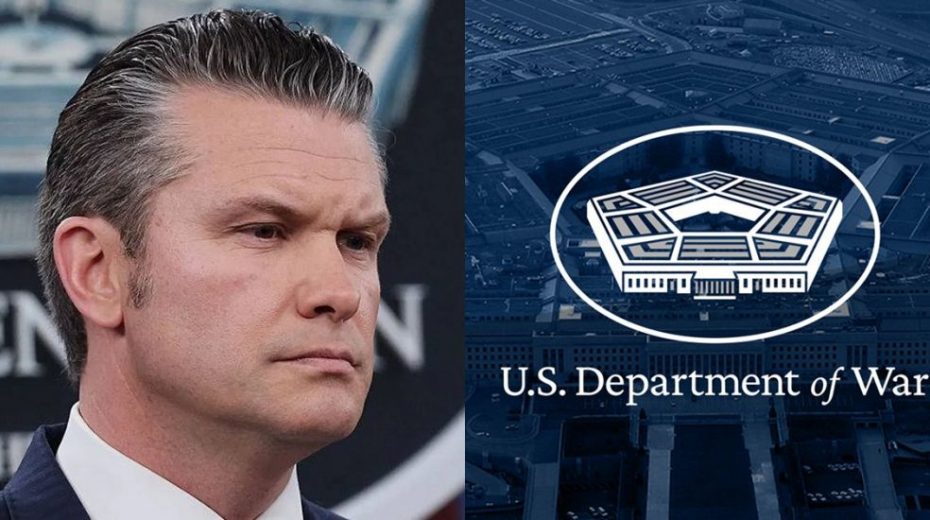
Consider Pete Hegseth, self-described as the “Secretary of War,” whose rhetoric more closely resembles an action-hero’s threats than a civilian leader entrusted with the serious responsibilities of war and peace.
“If you kill Americans, we will hunt you down,” Hegseth declared.
The Trump administration has adopted this threat as a symbol of national determination: anyone responsible for killing an American will be relentlessly pursued and punished.
Except when Americans are killed by their own government.
Except when service members perish in a preemptive war that Trump started without constitutional authority and cannot seem to conclude.
Except when Americans are killed by immigration agents or police officers trained to interpret fear, resistance, or the mere presence of a weapon as justification for lethal force.
Except when individuals die while in government custody.
Except when they become victims of weakened public health protections caused by mass layoffs, budget cuts, political interference, and administrative failure.
In all those cases, no one is hunted, no one in authority is held responsible, and no one faces accountability.
This double standard defines what passes for justice in the American Police State.
For decades, presidents from both major parties have expanded executive powers, weakened constitutional oversight, shielded government officials from accountability, and conditioned the populace to accept official violence as a necessary trade-off for security.
Trump inherited this system.
He has also embraced its harshest mechanisms, intensified abuses, and made the eradication of accountability a guiding principle.
The Iran conflict is simply the most recent and visible instance.
American soldiers continue to die in a war that does not enhance national security, no matter Trump’s assertions otherwise.
Seventeen U.S. service members have reportedly been killed during the war, with over 400 wounded. Rather than interpreting these casualties as indicators of costly strategic failures, Trump has used them to justify further military escalation, threatening that Iran will “pay many times over” for every American life lost.
Yet the war on Iran is but one facet of the government’s broader long-standing assault on accountability.
The same culture of impunity that protects presidents from responsibility for unconstitutional conflicts also shelters government agents from scrutiny when operations, arrests, and use of force lead to injury or death.
Trump did not originate this system.
Practices like police militarization, qualified immunity, aggressive federal enforcement, and internal self-protection mechanisms were firmly established before his administration.
What Trump has done is amplify these trends, loosen limitations, reward aggressive tactics, and treat calls for accountability as hostility toward law enforcement.
This pattern holds regardless of whether harm occurs on a battlefield, during immigration actions, in police incidents, or through institutional failures meant to safeguard the public.
Though names and political affiliations may change, the system of impunity endures.
What sets Trump apart is less the creation of this system than the audacity with which he wields it. He views oversight as obstruction, criticism as disloyalty, constitutional constraints as nuisances, and public office as a means for personal gain and power.
Under Trump, responsibility is nowhere to be found.
No officials face personal consequences. No one acknowledges error. No resignations occur. No prosecutions follow. No accountability is enforced.
Similarly, within the American Police State, those wielding power enjoy protection, while those without power bear the burden.
The government’s machinery keeps moving forward unaccountable.
As I explain in my book Battlefield America: The War on the American People and its fictional parallel The Erik Blair Diaries, this is how the American Police State evades justice for grave misconduct.
Original article: www.rutherford.org
About the Author