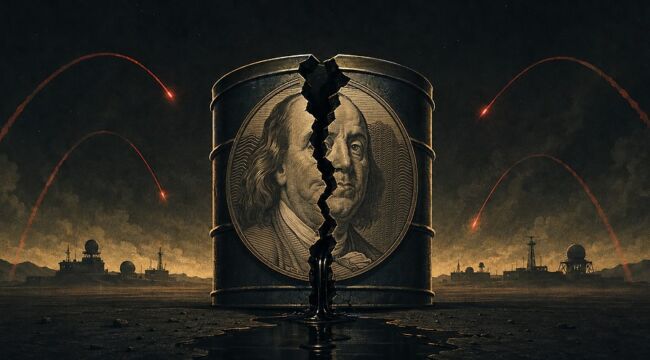
Petrodollar in Peril
The ongoing conflict with Iran shows no signs of easing.
On Saturday, President Trump halted a planned strike against Iran, which he described as potentially the largest since World War 2.
What caused this decision? Iran once more warned that any attack on their infrastructure would provoke retaliation targeting American, Israeli, and Gulf state infrastructure, including military bases, desalination plants, power stations, and oil facilities.
Iran has demonstrated the capability to act on these warnings. In July, it launched ballistic missiles and drones at multiple U.S. bases, delivering strikes with alarming precision.
The satellite images below reveal damage at Jordan’s Muwaffaq Salti Air Base, home to a substantial U.S. military presence.
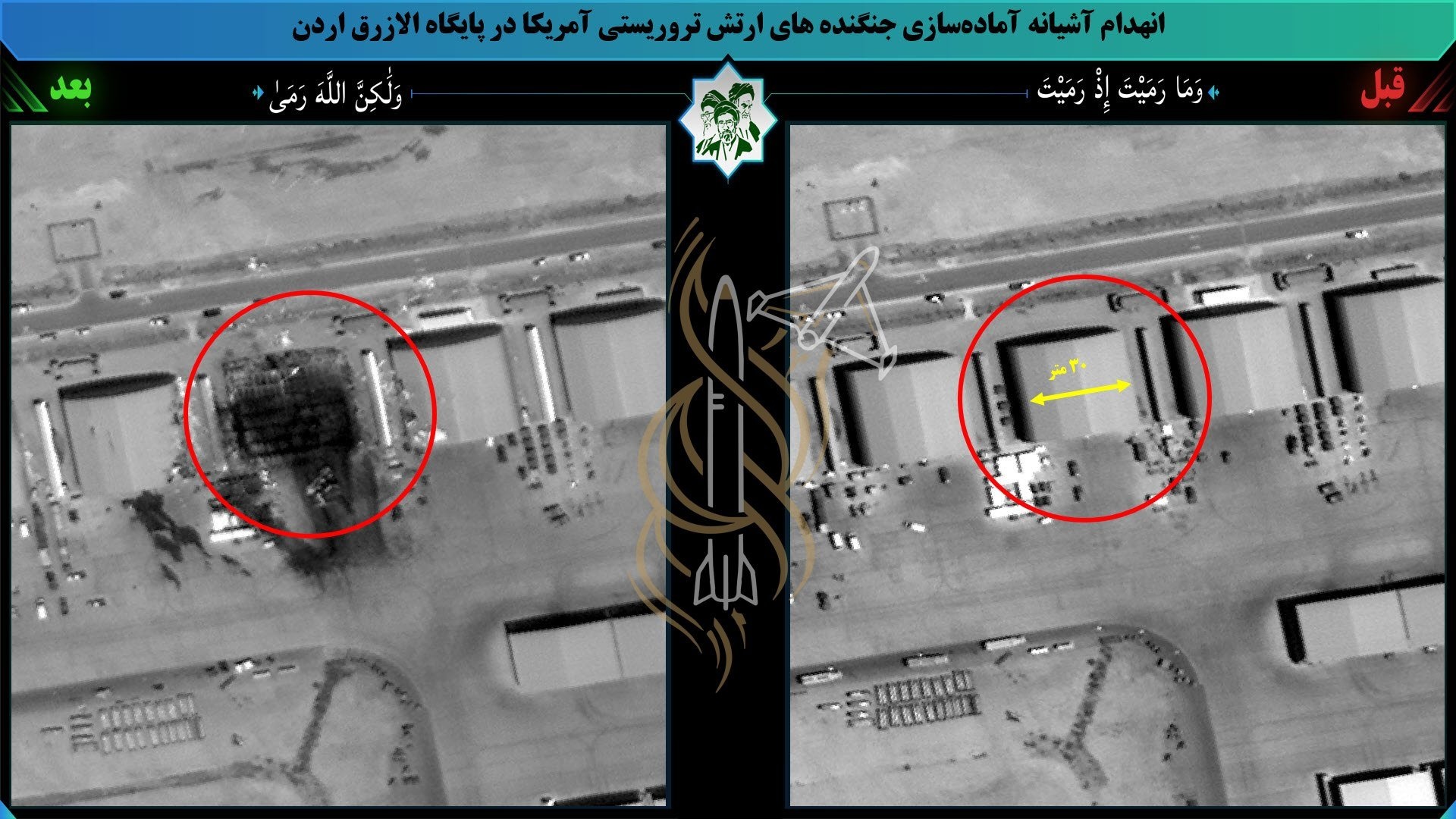
American aircraft hangar in Jordan after Iranian missile strike | Source: X
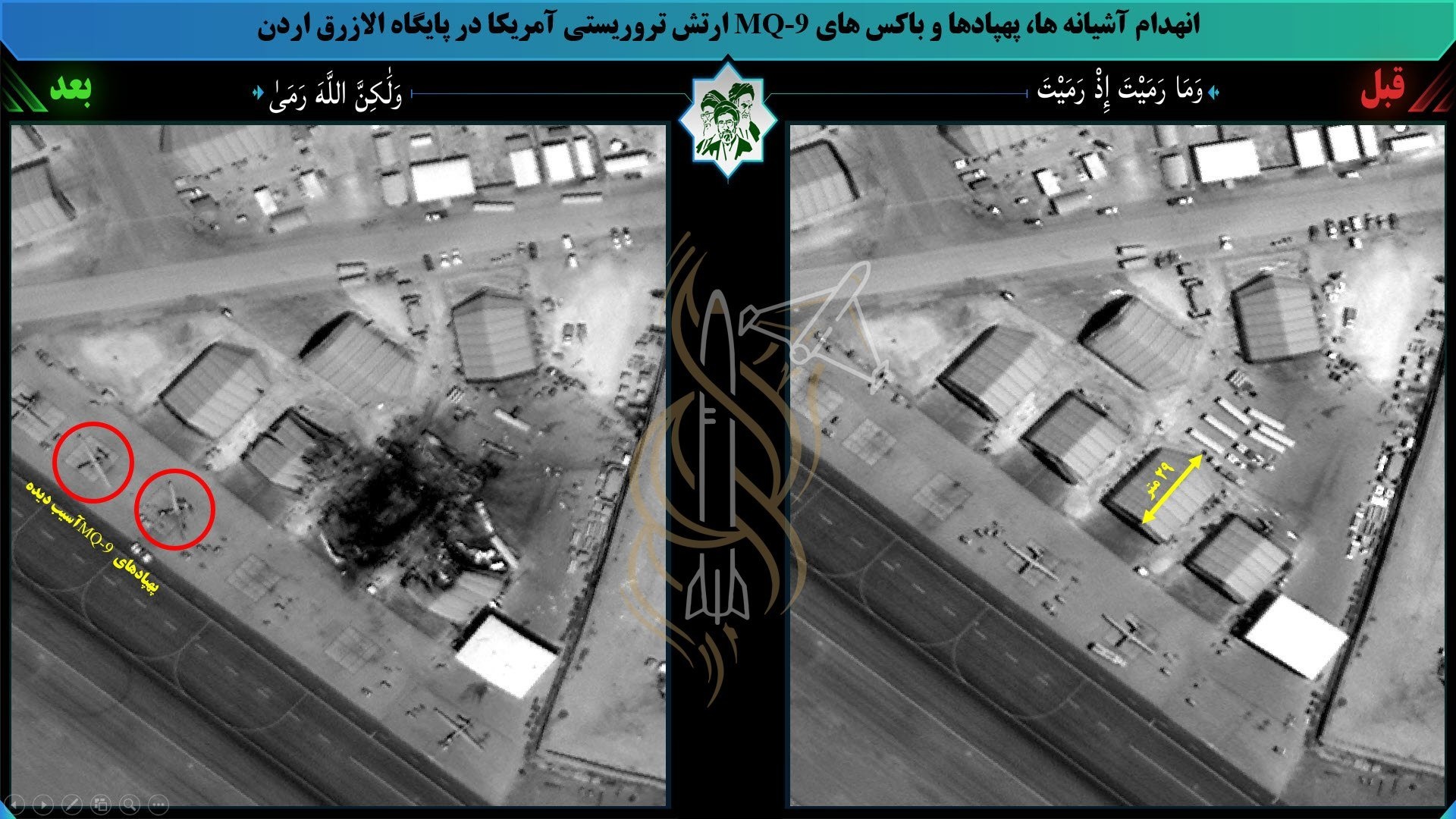
U.S. drone hangars in Jordan after Iranian missile strike
Tragically, three American soldiers lost their lives at this base during the July attacks.
Iran has consistently targeted U.S. bases in the area with missiles and drones, severely damaging critical radar systems, missile defenses, and air forces.
In response, U.S. forces have struck numerous Iranian installations near the Strait of Hormuz and beyond.
Both nations possess the capability to target one another’s vulnerable assets, but escalating further risks intensifying the conflict.
This situation presents a complex and precarious dilemma.
Major Geopolitical Implications
The stakes here exceed common perception. America is unaccustomed to facing precise, long-range attacks from adversaries.
Iran’s missile and drone capabilities now threaten every U.S. base throughout the Middle East.
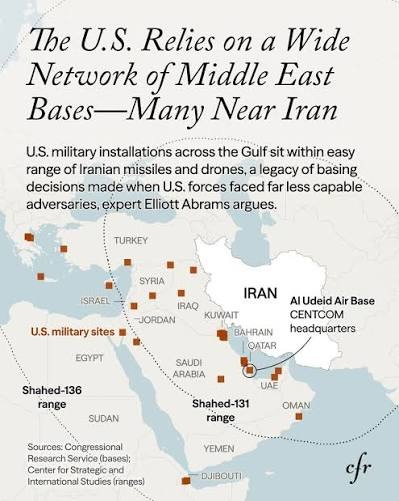
Source: CFR
These outposts have been essential in safeguarding America’s regional influence and in upholding the petrodollar framework established in 1974.
Though the petrodollar may seem complex, it operates simply: the U.S. offers military protection to major oil exporters, who in turn agree to trade oil exclusively in U.S. dollars. Typically, these oil producers reinvest their earnings into American stocks and bonds.
This arrangement has effectively generated demand for U.S. financial assets. Since nearly every nation requires dollars to purchase oil, countries maintain substantial dollar reserves, encouraging global investment in U.S. bonds and helping keep interest rates low.
American military bases throughout the Gulf region are crucial to sustaining this system.
With Iran’s missile and drone threat looming, the petrodollar arrangement faces jeopardy.
If a resolution is not found and the U.S. cannot maintain its presence, the dollar’s dominant role in global finance could eventually unravel.
While the U.S. defense network has remained intact for about five decades, it now shows vulnerabilities. Competitors like Russia, China, and Iran are likely to exploit this weakness by courting influential oil producers.
In time, some Gulf states allied with the U.S. might be drawn towards rival powers, potentially leading to the collapse of the petrodollar system.
This shift, if realized, could significantly reduce global demand for the dollar. The consequences are profound.
Copying the Iran Playbook
Currently, countries worldwide are crafting their drone and missile strategies. Some have advanced further, but this technology for precision strikes is set to become widespread rapidly.
Russia, Iran, Ukraine, and China already possess sophisticated long-range precision strike capabilities. Yemen is close to acquiring them, with others expected to follow.
We’re entering a new era—often termed the “democratization of precision strike weapons”—and it’s a deeply concerning trend.
This evolution poses significant challenges to America’s foreign policy and complicates sustaining military bases in the Middle East.
While I remain cautiously optimistic that a peace agreement with Iran may eventually materialize, accomplishing it will demand far greater concessions than are currently on the table.
Accordingly, the conflict is likely to persist intermittently, continuing until the toll forces both parties to negotiate.
These developments will unfold over time. The petrodollar system, having endured over 50 years, is not destined to disappear suddenly.
Nonetheless, Iran represents the first substantial threat to American military and economic dominance in many years. The future of U.S. bases in the Middle East now appears uncertain.
Should the U.S. be compelled to withdraw from some or all Gulf military installations, the ramifications would be tremendous—a geopolitical and financial upheaval.
This would mark yet another indicator that the world is shifting towards multipolarity in both economic and military spheres.
About the Author