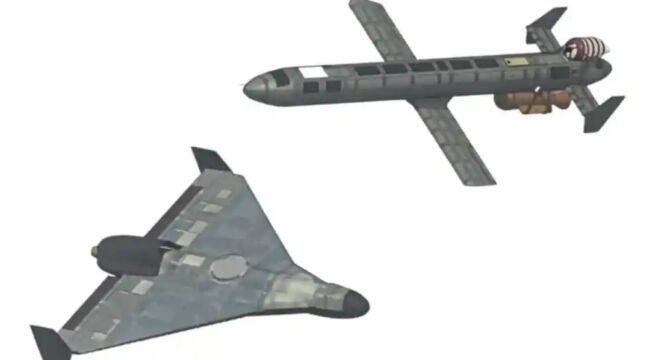
The Evolution of Hunter-Killers
For many years, the United States stood unrivaled in the realm of drone warfare.
In particular, the U.S. led the development of MALE drones, which stands for Medium-Altitude, Long-Endurance.
Aircraft such as the MQ-1 Predator and MQ-9 Reaper demonstrated remarkable effectiveness throughout the Global War on Terror (GWoT).
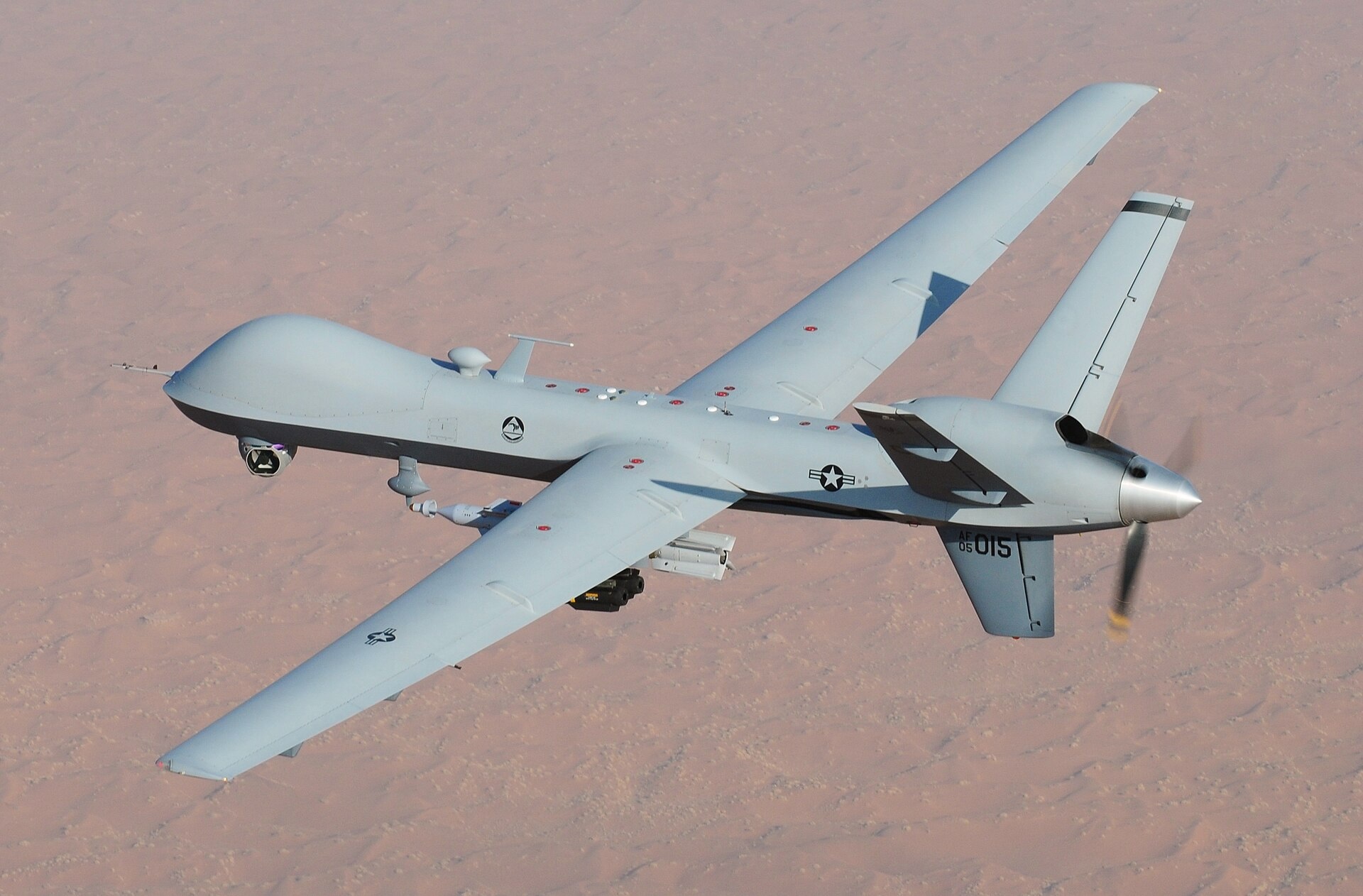
General Atomics’ MQ-9 Reaper
These drones can remain airborne for up to 24 hours, carrying out surveillance missions, deploying precision-guided bombs, or launching missiles when hostile targets are detected.
Though MALE drones cruise at a modest speed around 250 MPH, they were groundbreaking—offering persistent aerial oversight in conflict zones and executing attacks without endangering American pilots.
For a significant period, the U.S. maintained an edge in military drone innovation.
However, the landscape has shifted, and now America finds itself needing to close the gap.
Slow, Expensive, Vulnerable
When facing foes with limited air defense capabilities, drones such as the MQ-9 excelled. In theaters like Afghanistan, Iraq, Libya, and Syria, MALEs were particularly effective.
Despite their price tag exceeding $30 million each, this approach proved successful for years.
Meanwhile, adversaries did not remain passive. Nations including Russia, Iran, China, and North Korea tailored their forces to specifically counterbalance U.S. dominance.
Iran created an anti-air system known as Missile 358, engineered to target slow MALE drones like the MQ-9 Reaper. This weapon can be dismantled for portability by small teams.
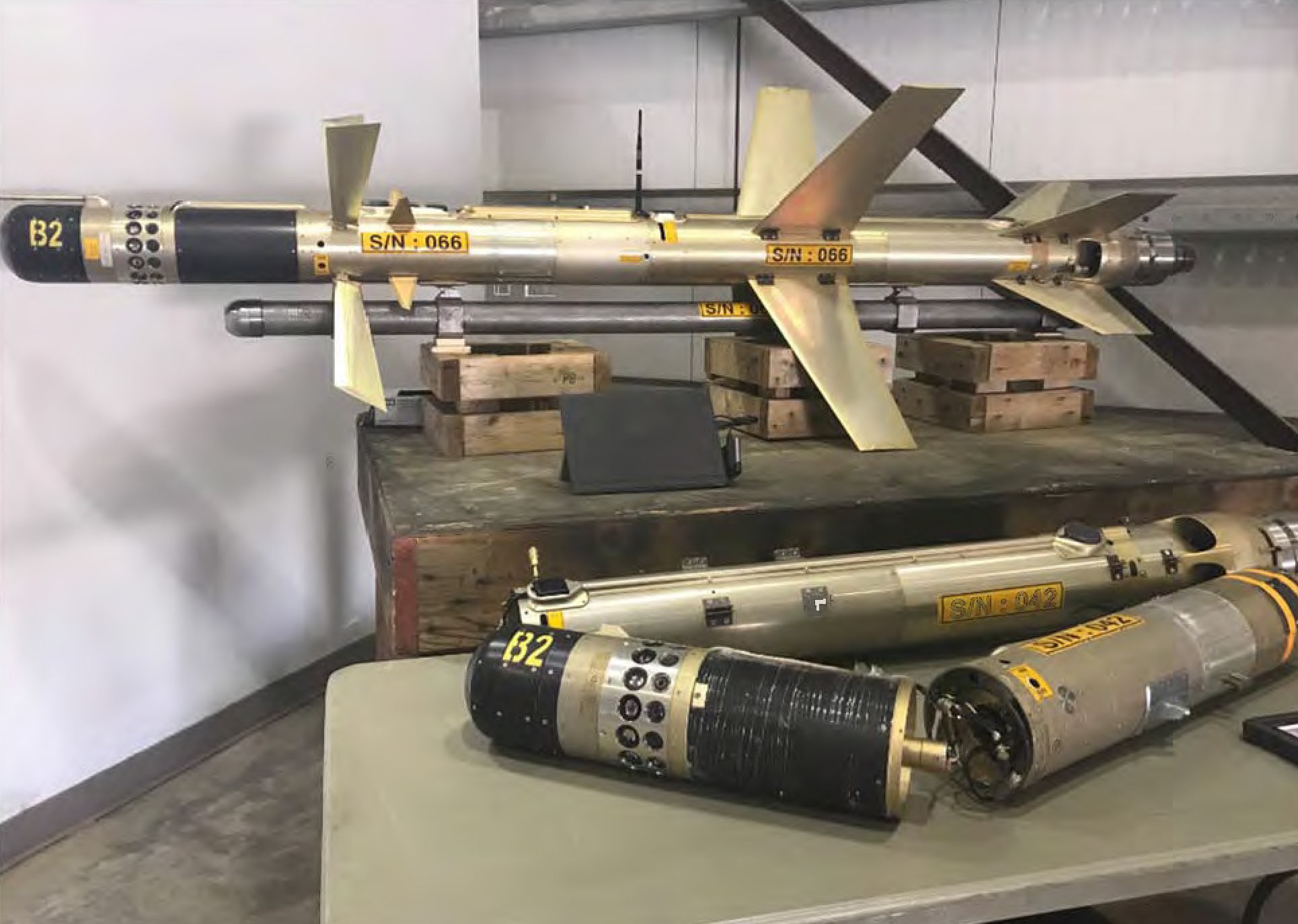
Source: SCMP
This year alone, Iran reportedly downed at least 30 MQ-9 Reaper drones, likely employing Missile 358s, resulting in nearly a billion dollars lost in equipment. Additionally, Yemen’s Houthis have brought down approximately 20 MQ-9s using Iranian technology.
The weakness of MALE drones lies in their slow speed and high cost—a pairing poorly suited for contemporary battlefields.
The newest drone variants fall into two categories: fast yet costly, or slow but affordable.
But the combination of being both slow and expensive is no longer viable.
The Kamikaze Revolution
Knowing it could not match U.S. traditional airpower, Iran pivoted to asymmetric strategies, focusing heavily on missiles and drones.
Their unmanned systems differ significantly, featuring one-way kamikaze drones like the Shahed-136.
Constructed with an inexpensive fiberglass body, powered by a moped engine driving a propeller, carrying a 50 kg (110 lbs) warhead plus avionics and navigation gear, the Shahed-136 boasts sufficient fuel stored in its wings to travel over 1,000 miles. The unit cost ranges between $10,000 and $40,000.
The Wall Street Journal featured the image below in an article titled, “Every Nation Wants to Copy Iran’s Deadly Shahed Drone” last autumn.
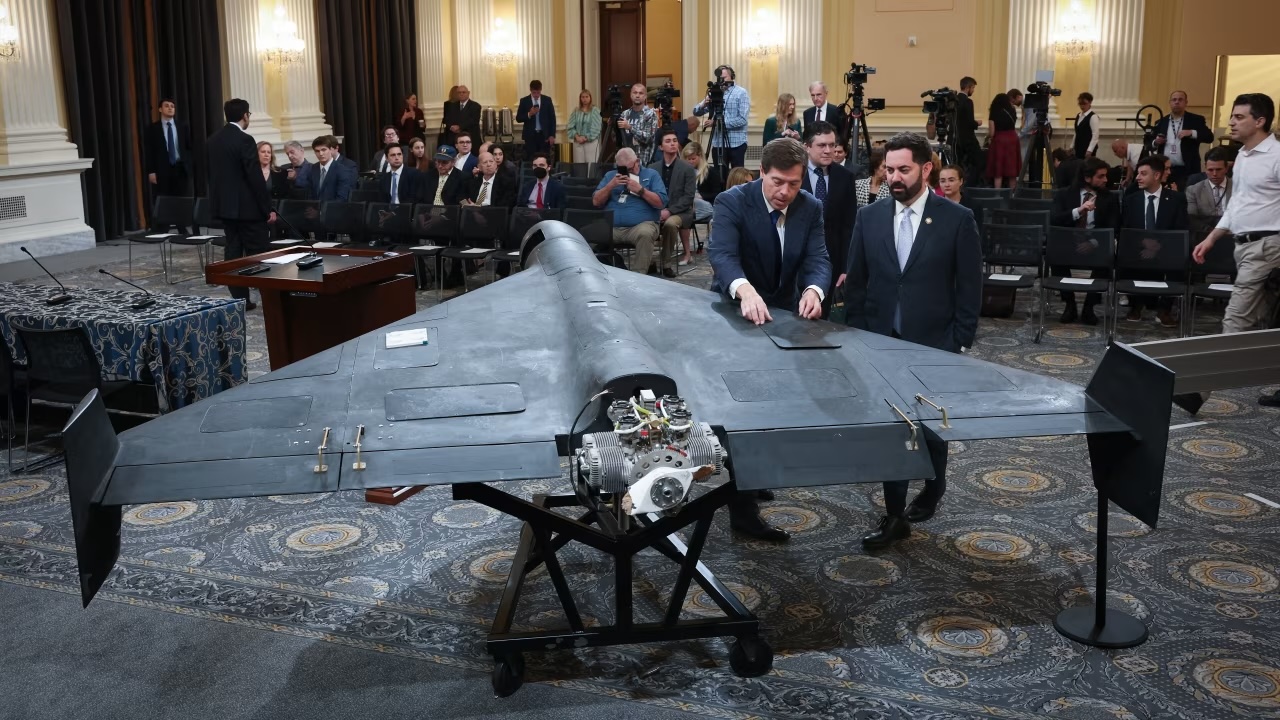
Source: WSJ
Iran provided Russia with Shahed-136 technology, which Putin’s forces extensively utilize, having enhanced nearly every feature and now deploying jet-powered variants flying much faster.
Globally, nations boasting capable defense industries are developing similar systems. The U.S.’s LUCAS (Low-cost Uncrewed Combat Attack System) reportedly saw success in Iran.
Priced around $35,000 each, 857 LUCAS units could be purchased for the cost of a single MQ-9 Reaper.
Taiwan recently announced ambitions to manufacture 100,000 drones monthly by 2030, aiming to turn the island into a “hellscape” in case of a Chinese invasion.
Russia is estimated to be launching 270 long-range drones daily against Ukrainian targets, while Ukraine has been deploying strikes of up to 700 drones in one night, designed to saturate Russian defenses (though large quantities require pauses to replenish stockpiles).
A significant transformation is underway.
A Rare Moment
Revolutionary. Game-changer.
These phrases tend to be overused, often lacking real impact.
However, in this case, they are fully warranted.
We are witnessing a genuine shift in warfare paradigms. The unmanned systems of the future dominate the horizon.
The military has recognized this evolution, triggering a surge in drone-related spending expected to climb by thousands of percent.
Yet, even with these projections, one-way attack drones still account for less than 1% of total defense budgets.
As General Wesley Clark noted in Ukraine, drones are responsible for 90% of Russian losses. This succinctly captures modern combat.
Defense expenditures will jump dramatically this year and continue escalating until drones represent at least half of all military spending. That is my forecast—and it will happen swiftly.
Traditional American defense contractors are ill-equipped for this new era—too slow, entrenched in old practices, and bogged down by bureaucracy.
A fresh wave of agile, fast-paced companies is emerging, dedicated exclusively to drone technologies. They are gaining valuable combat experience in theaters like Ukraine and Iran, rapidly refining approaches to overcome counter-drone defenses.
We remain early in this drone revolution, with vast potential ahead.
About the Author