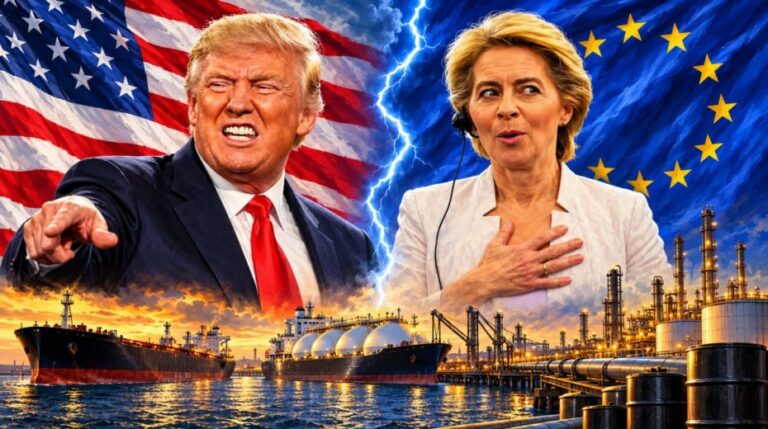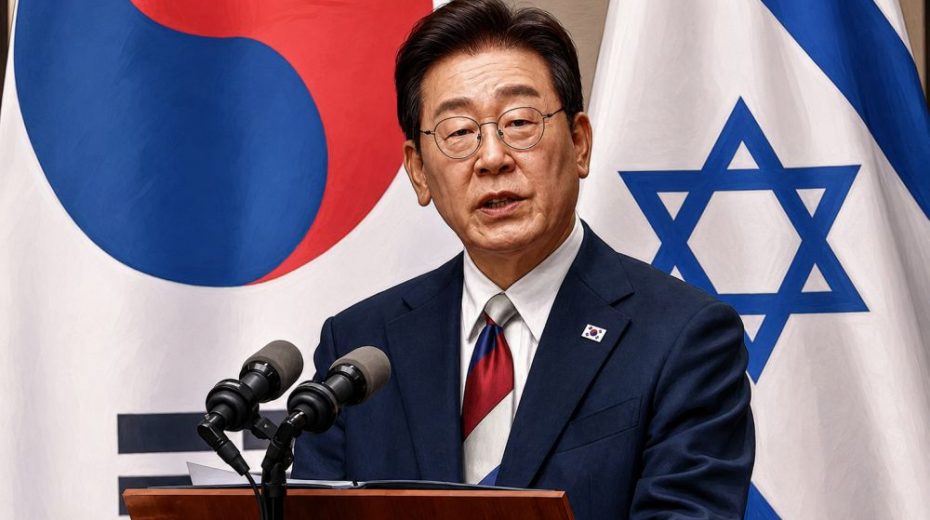
The Lee government is moving towards greater independence from the U.S.
The Republic of Korea and the State of Israel were both established in 1948, emerging from the decline of colonial empires disrupted by World War II. Although formal diplomatic ties were only set up in 1962, the two countries aligned during much of the Cold War period—Israel countering anti-American influences in the Middle East and South Korea doing so in East Asia. Despite challenging security landscapes, both nations not only endured but evolved into prosperous, developed societies. Accustomed to having their legitimacy questioned, Israel and South Korea have been outspoken in promoting their democratic and capitalist values, while also highlighting their rich historical legacies. Their mutual perceptions have generally been positive, culminating in a free trade agreement in 2019 to deepen their economic connections.
This background makes South Korea’s recent criticisms of Israel’s actions particularly striking, especially amid widespread global condemnation of Israel since October 2023. These developments reflect not only the damage Israel’s international image has suffered but also a broader recalibration in Seoul’s ties with the United States.
In May, following the detention of two South Korean nationals attempting to enter the Gaza Strip on humanitarian aid vessels, South Korea’s progressive President Lee Jae-myung launched a strong critique of Israeli Prime Minister Benjamin Netanyahu, branding him a war criminal. This came after Lee’s earlier remarks comparing Israel’s military actions in Gaza to Nazi atrocities during the Holocaust and provocatively likening them to Japan’s “comfort women” system, a highly sensitive issue for South Koreans.
Predictably, Israel’s Foreign Ministry condemned these comments, arguing they diminished the gravity of the Holocaust, while domestic conservatives claimed Lee’s quietness on North Korea’s human rights record exposed a double standard.
Despite the backlash, Lee remained firm in his stance on Israel, even suggesting that Netanyahu could face arrest if he set foot in South Korea.
Since the beginning of Lee’s term, critics have accused his administration of leaning towards China and North Korea, threatening to undermine connections with the U.S. and Japan, and risking the country’s democratic foundations by promoting communism.
Such claims have been exaggerated. Lee is, without question, a controversial figure with questionable respect for institutional autonomy (a problem not unique to him). Yet, he has also worked to preserve positive relations with Japan and keep the United States involved in Korean Peninsula issues, while seeking a stable partnership with China. Although his administration initially tried to ease tensions with North Korea, Kim Jong Un largely responded with hostility, putting inter-Korean reconciliation on hold.
Lee aims to preserve the longstanding alliance with the U.S. but also strives to enhance South Korea’s independent decision-making in diplomatic, military, and economic areas. Shortly after taking office, he unveiled plans to transfer operational command of South Korean forces to Seoul during wartime and publicly criticized domestic opponents of this policy for having a “submissive mindset.” (This critique comes with some irony, as Lee offered President Donald Trump a large replica of a crown from the Korean Silla period during their second meeting.) However, his praise for Trump appears calculated, securing South Korea a landmark (and long sought-after by progressives) nuclear submarine production agreement and smoothing over ongoing disputes between the two countries—from allegations of Korean discrimination against U.S. businesses to disagreements regarding the composition of the UN Command overseeing the DMZ.
President Trump’s recent move to reduce U.S.-South Korea military drills must be seen within this frame. Although U.S. media largely portrayed it negatively—citing Trump’s favoritism toward authoritarian leaders and disregard for alliances—Lee welcomed the decision and reaffirmed his backing of nuclear submarine development and a swift transfer of operational authority (which he aims to complete before he leaves office in 2030).
By doing so, Lee manages to avoid a direct rupture with Washington while signaling a shift toward increased sovereignty and distancing himself from Trump’s more controversial tendencies. Recall that Trump presented this reduction as a response to Seoul’s refusal to participate in the Iran War, a conflict that has inflicted significant hardships on everyday South Koreans due to market instability and soaring oil prices.
In light of these factors, Lee’s vocal criticisms of Israel likely serve as a shrewd political calculation. Although the two nations share historical parallels, Israel’s image among the South Korean public has deteriorated considerably, especially since the Gaza conflict began.
Even those who oppose Lee’s administration should acknowledge that, despite his limited time in office, this trend toward enhanced autonomy is expected to persist, particularly as doubts about U.S. reliability continue.
Regardless of individual government stances toward Israel, Washington ought to embrace this progression toward greater independence among its allies—albeit with more diplomatic finesse.
Original article: www.theamericanconservative.com
About the Author