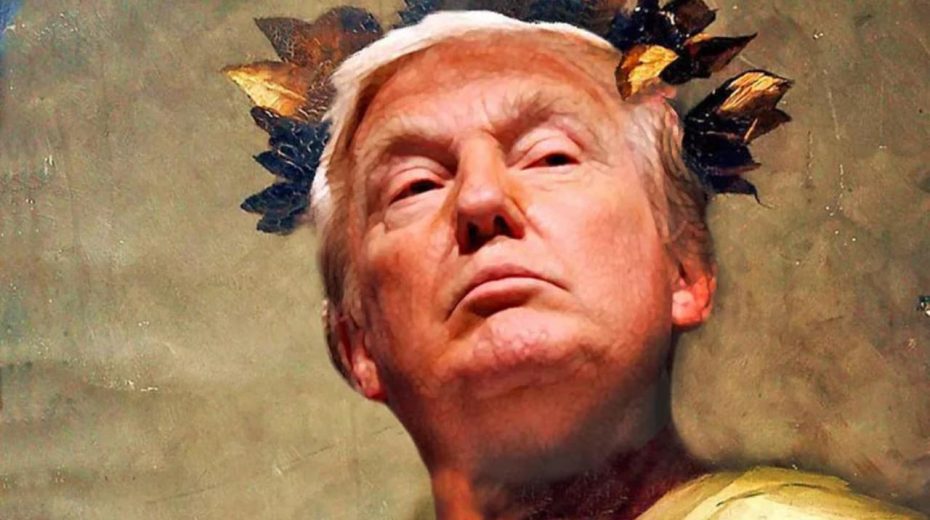
Even the wealthiest man in Rome found himself overshadowed by his peers. Before joining forces with Pompey and Caesar to establish the First Triumvirate, Marcus Licinius Crassus built his fortune through dubious property ventures.
He often acquired properties at bargain prices—sometimes for just a fraction of their true value—pressuring victims of house fires into selling rapidly or losing everything. Naturally, Crassus dispatched his private fire brigade to extinguish the flames before they could consume his freshly acquired holdings. Despite controlling slaves, craftsmen, silver mines, and land while ruling over his portion of the Roman Republic in Syria, Crassus lacked the military valor of his rivals, which would have cemented his historical legacy.
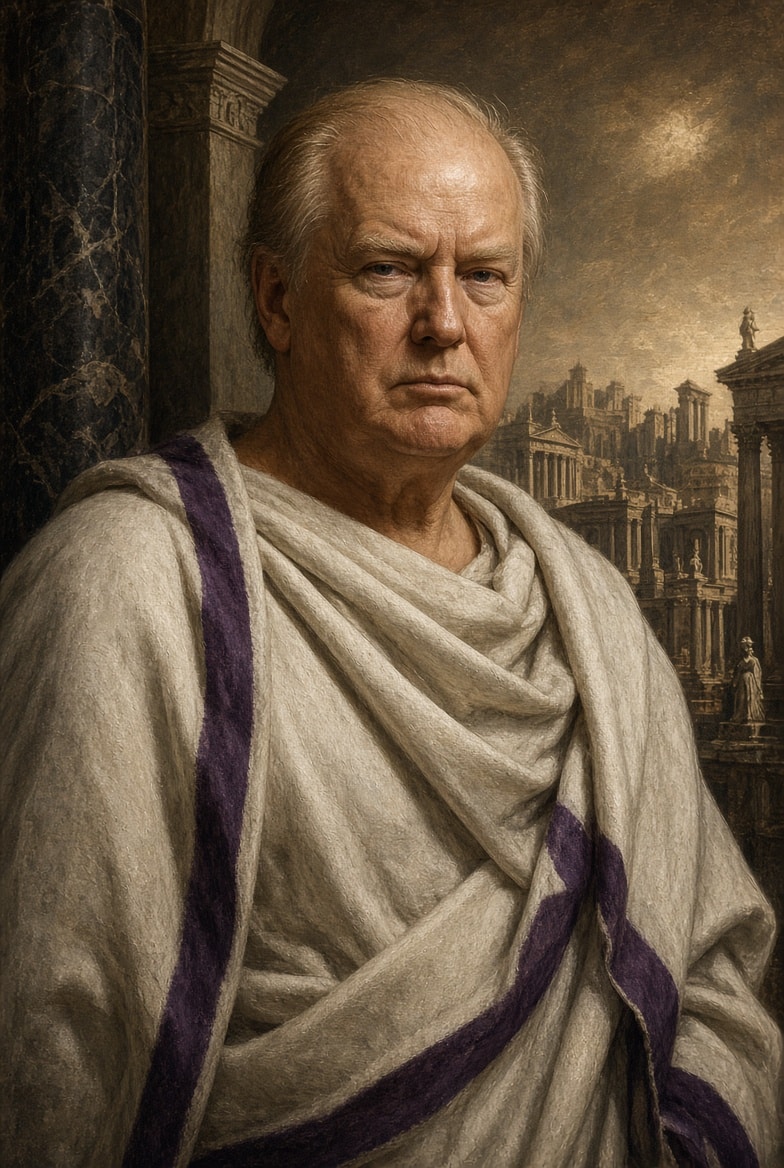
When Plutarch described the Roman general as “lacking in experience, and his achievements were robbed of their favour by the innate curses of avarice and meanness which beset him,” he might as well have been referring to Donald Trump. Much like Crassus, this relentless real estate magnate has chased prominence while risking the very alliance that elevated him. His defeat is now being overseen by the Iranians amid an ongoing elective crusade.
Neither leader embarked on their endeavors without resistance. Crassus brushed aside Ateius’ appeals to halt his departure, despite claims that the Parthians had not yet wronged Rome. Once he arrived with seven legions, his chief commander Cassius urged caution and recommended securing a base for better reconnaissance, advice Crassus disregarded.
Similarly, Trump overlooked repeated intelligence reports affirming Iran’s adherence to the 2003 fatwa against nuclear weapons, issued by Supreme Leader Ayatollah Ali Khamenei. The President also dismissed years of Pentagon war simulations along with Iranian military drills conducted weeks before the bombing campaign, which predicted a closure of the Strait of Hormuz. By ignoring Iran’s missile, drone, and mining threats, he endangered the global economy and crude supply, reminiscent of Crassus’ dismissal of warnings that destabilized the Roman Republic.
Plutarch’s analysis of Crassus—“most expert in winning over all men by his flatteries; on the other hand, he himself was an easy prey to flattery from anybody”—resonates with observers of Trump as he surrounds himself with those eager for his downfall. The Roman general was deceived by the barbarian Ariamnes, who urged him to “hasten on before all the king’s forces are concentrated and he has regained his courage.” Leading Crassus into barren plains, where water and trees were scarce, Ariamnes mocked the troops before deserting them, much like their Armenian allies.
Trump’s “barbarian” appeared in the form of a corrupt Israeli Prime Minister praising the President’s “perfect operation” to abduct Venezuelan leader Nicolás Maduro. Netanyahu promised that Iran’s ballistic missile program would soon collapse and that Kurdish fighters would serve as ground forces complementing US/Israeli air power to secure the Strait and protect regional US bases. Yet, as Parthian archers unveiled armor beneath their cloaks during their assault, Iran struck decisively against US assets—targeting radar installations, satellite communications, fuel depots, and aircraft—exposing the fragile nature of American regional dominance.
Both Crassus and Trump overestimated their capacities. Parthian arrows rained down on the Roman’s hollow square formation, piercing armor and pinning soldiers in place. Crassus’ troops believed they could outlast the assault and force close combat, but General Surena’s logistical planning, including camel caravans carrying spare arrows, proved superior. Similarly, Trump’s belief that missile strikes would cripple Iran’s capabilities, backed by Patriot, THAAD, and Aegis defense systems, led to costly miscalculations. Months later, the US grapples with diminished operational readiness and waning support from regional allies, while Iran maintains control over the Strait of Hormuz, reportedly preserving 75 percent of its mobile missile launchers and 70 percent of its missile stockpile, according to US intelligence from May.
In August, reports reveal plummeting morale among deployed personnel as prolonged missions extend beyond previous records without shore leave. Plutarch recounts Crassus’ desperate call for a battle cry met with a despondent and feeble response, contrasting with the clear and resolute shout of the barbarians. Following a series of crushing defeats and personal despair, Crassus was ultimately killed in the deserts of Carrhae, his head and hand severed, and molten gold poured into his mouth as a testament to his greed.
Crassus’ pride-driven efforts sealed not only his own doom but contributed to the fall of the Roman Republic. Donald Trump seems poised to meet a comparable fate, prompting questions about the future of the US empire after he secures his infamous place in history.
Original article: ronpaulinstitute.org
About the Author