A Glacial Flood of Debt
Many of you have likely witnessed the harrowing scenes from the disaster along the China-Nepal border.
An upstream glacier suddenly gave way, releasing vast quantities of ice, water, and mud. This powerful surge sped down the valley.
Tragically, over 500 people lost their lives, and approximately 1,500 remain unaccounted for.
Disturbing footage captured moments like a massive boulder hurtling down the river.
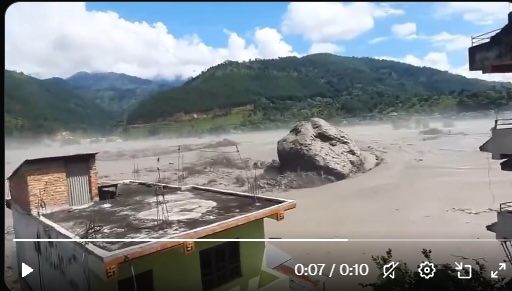
Source: X
This event highlights nature’s overwhelming force and how catastrophic events can build up silently over many years before reaching a breaking point.
Yet, in comparison to the floods marking the end of the last ice age, this recent flood was minor.
Around 13,000 years ago, during the close of the last ice age, a colossal glacial lake existed in what we now call Western Montana. Known as the Glacial Lake Missoula.
This lake, formed by glacier meltwater, contained roughly as much water as both Lake Erie and Lake Ontario combined—about 500 cubic miles.
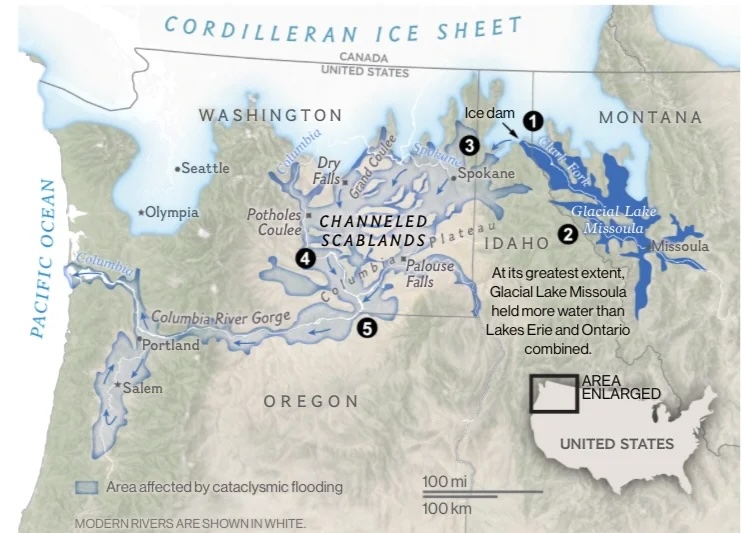
Source: National Geographic
At last, the icy barrier restraining this enormous lake collapsed. What followed was a flood of biblical proportions.
Experts estimate the water’s discharge was roughly ten times the combined flow of all the rivers worldwide. This unleashed gigantic ripple formations in the terrain, similar to beach waves but reaching heights up to 50 feet:
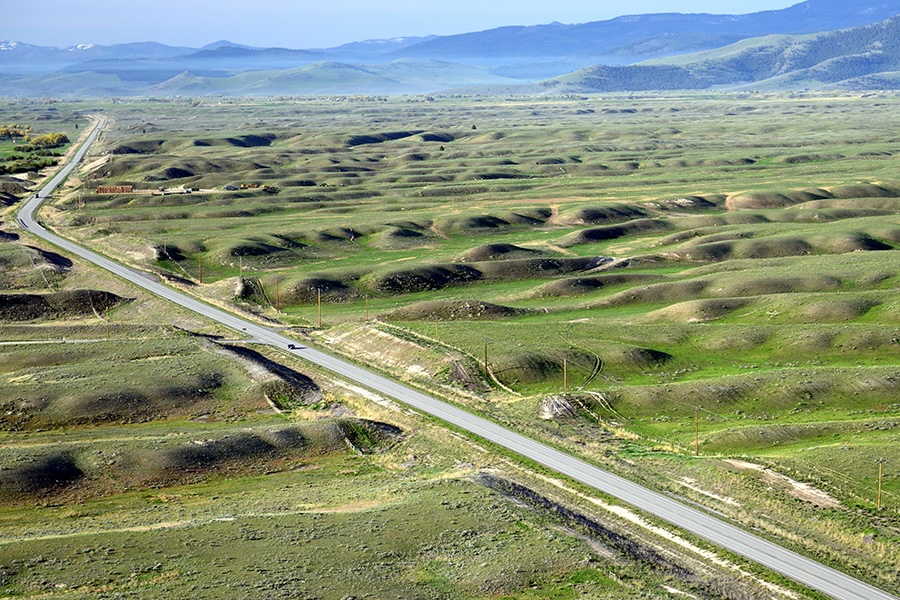
Photo credit: Dave Bennet
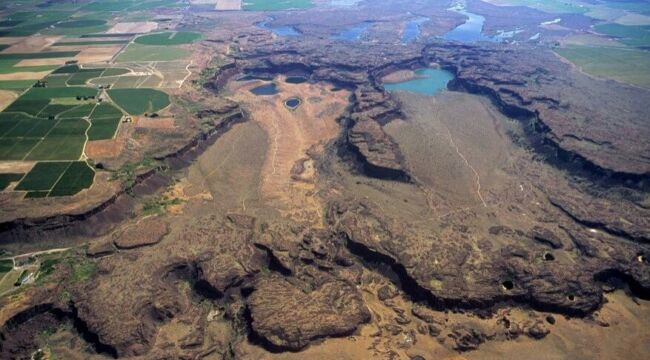
The rushing floodwaters sculpted dramatic landforms downstream, such as Dry Falls in the Washington scablands:
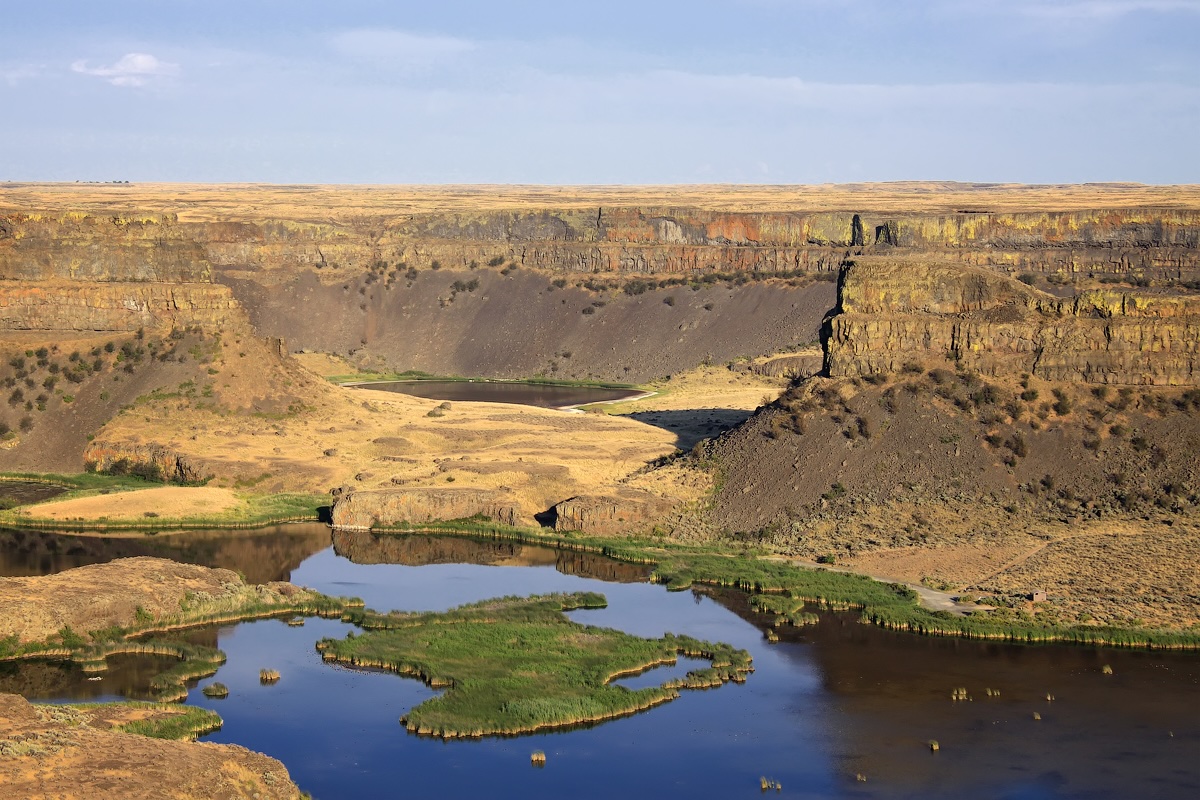
Source: Wikipedia
Consider the immense force needed to carve out these rock formations. Floodwaters of inconceivable strength.
The accumulation was gradual, but the ice dam’s collapse happened abruptly. The dam would rupture, unleash its flood, freeze again, and then repeat this cycle every few decades.
This dynamic eerily mirrors today’s global debt predicament.
When the Debt Dam Bursts
Over the past 45 years, governments worldwide have steadily piled on debt. This buildup resembles water gathering behind a glacial dam.
Eventually, we will witness a financial flood akin to the Missoula event. I don’t claim to pinpoint the timing precisely.
However, interest expenses are increasingly problematic. Currently, servicing federal debt consumes 21.65% of U.S. tax revenues. According to the Financial Times:
The most relevant measure of US federal government debt, that held by the public, has risen from $3.4tn in 2000 to $32.3tn now, or a rise from 33.7 per cent to more than 100 per cent of GDP in just over 25 years. More importantly, the burden of servicing that debt has doubled, from 11 per cent of tax revenues in 2000 to 21.5 per cent in the first 10 months of the current fiscal year.
The issue is global. Few countries remain free from burdensome debt.
Those with prudent financial management are exceptions—nations such as Russia, Switzerland, Ireland, Sweden, Norway, and some in South America. Almost all others face similar financial strains.
The United States does retain a special position. Our government debt remains the world’s favored fiat asset, which helps keep borrowing costs lower than they might otherwise be.
Yet, this advantage is a double-edged sword. The assurance that global buyers will purchase U.S. debt has encouraged reckless spending. We currently run a deficit equal to 7% of GDP — and that’s amid a historic bull market. The next recession will likely intensify these problems.
Financial crises of this kind occur periodically worldwide. They almost invariably devastate savers and bondholders while rewarding gold advocates and owners of tangible assets.
Jim Rickards captured this reality well in his newsletter yesterday. Reflecting on the stagflation of the 1970s, he said:
I lived through that period. It was a fun time if you owned gold or real estate, if you used leverage and if you had a job that gave you a raise every few months.
It was not a fun time if you depended on fixed-income streams like annuities, insurance policies, pension plans or Social Security.
When the debt flood eventually arrives, holding significant shares of hard assets will be essential—especially precious metals, mining equities, and oil and gas companies.
These durable investments tend to protect and increase in value regardless of inflation trends.
My plan is to keep at least 20% of my portfolio in tangible assets over the next decade or two. I am confident that we will face serious inflationary pressures, financial turmoil, and possibly multiple sovereign debt crises within that timeframe.
The debt lake is swelling, and when the dam bursts, it will spawn waves of inflation and deep disorder.
In such times, having substantial holdings in resilient, defensive tangible assets is prudent.
About the Author