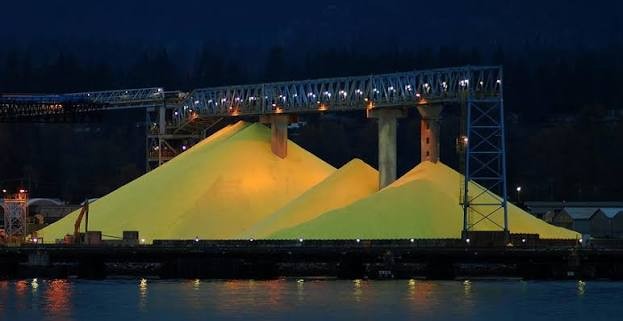
Oil Refiners’ Big Yellow Cash Cow
The conflict involving Iran brought to light certain chemicals that usually remain unnoticed by the public.
Consider sulfur as an example. This yellow element is a component in countless products. Although the sulfur market is modest—around $6.5 billion annually (projected for 2025)—its applications are widespread and vital:
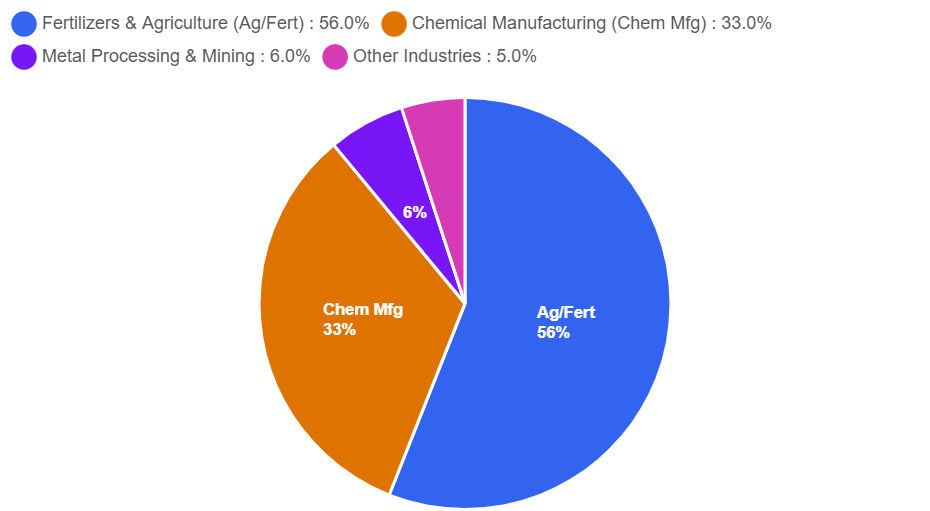
The primary use of sulfur is in producing sulfuric acid. The biggest consumer by far is the phosphate fertilizer industry. Without a substantial supply of sulfur, manufacturing phosphate fertilizer (DAP) is impossible.
Sulfur is also essential in processing various metals such as copper, nickel, cobalt, and neodymium. Moreover, it is utilized in some electric vehicle battery technologies.
Sulfur is often overlooked until its price spikes—which it certainly has recently.
The majority of sulfur originates from oil refining operations. A significant portion of the world’s sulfur supply is produced in refineries located in the Persian Gulf, beyond the Strait of Hormuz. With the Strait closed, 50% of the global seaborne sulfur was halted, and about 40% of Middle Eastern sulfur production is currently offline due to strikes on regional oil refineries.
In response to the shortage, countries like Russia, China, and Turkey imposed export restrictions or complete bans to preserve domestic supplies.
Unsurprisingly, such a critical scarcity caused sulfur prices to skyrocket. Research by the Colorado School of Mines states:
Middle East seaborne sulfur prices surged past $800 per ton on arrival in Asia. Some Western benchmarks peaked around $1,500 per ton. Even with a shaky U.S.-Iran peace deal, destroyed regional processing infrastructure and lingering export controls will keep supply bottlenecks tight and maintain a price premium for years. A return to normal global shipping will likely take months, and maybe longer.
It’s important to note that sulfur plays a crucial role in producing phosphate fertilizer. Manufacturing one ton of diammonium phosphate fertilizer (DAP) requires nearly half a ton of sulfuric acid. Additionally, making a ton of nickel from ore consumes roughly ten tons of sulfuric acid. Thus, increases in sulfur’s cost significantly impact the economics of these products.
The chart below illustrates the sulfur price surge from 2025 to the present, showing a tenfold increase since January 2025.
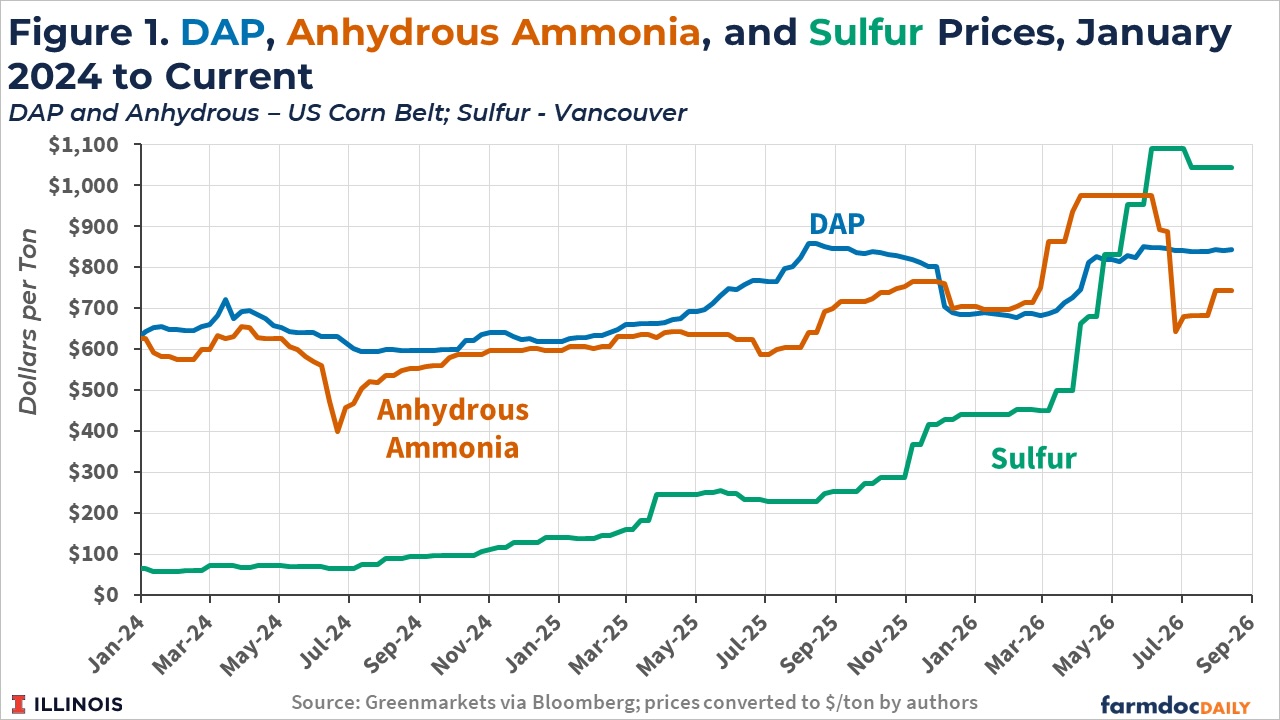
As a result, producers like Mosaic scaled back fertilizer output due to soaring input costs. This development means higher prices for farmers and/or lower crop yields.
This scenario spells trouble for food costs and inflation overall. However, there is a positive aspect: refiners sourcing crude oil outside the Middle East are currently enjoying substantial profits from sulfur sales.
Refineries equipped with sulfur recovery units (SRUs) process sour crude oil—a strategy originally adopted to use cheaper crude. SRUs extract sulfur before producing gasoline or diesel. Companies such as Valero (NYSE: VLO), Marathon (NYSE: MRO), and ExxonMobil (NYSE: XOM) all generate sulfur as a side product, and their revenues are rising sharply.
The most straightforward way to benefit from elevated sulfur prices is by investing in these refining companies, with the VanEck Oil Refiners ETF (NYSE: CRAK) being a convenient vehicle:
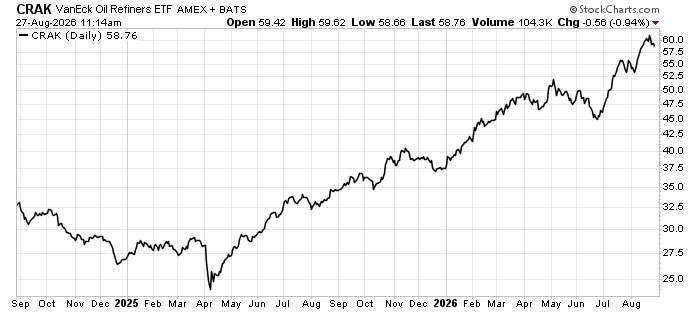
Looking ahead, 2026 and 2027 are likely to be prosperous years for refining firms. If you haven’t invested in them yet, now is an opportune moment. This trend is poised to endure for several months, if not years.
About the Author