Trump’s plan for militarizing the Arctic at the cajoling of Europeans is another ominous sign among many.
James Jatras, an experienced U.S. foreign policy expert, analyzes how the recent security agreement between Trump and Denmark concerning Greenland primarily aims to ease tensions within NATO.
It also serves to keep the Western military alliance sharply focused on Russia.
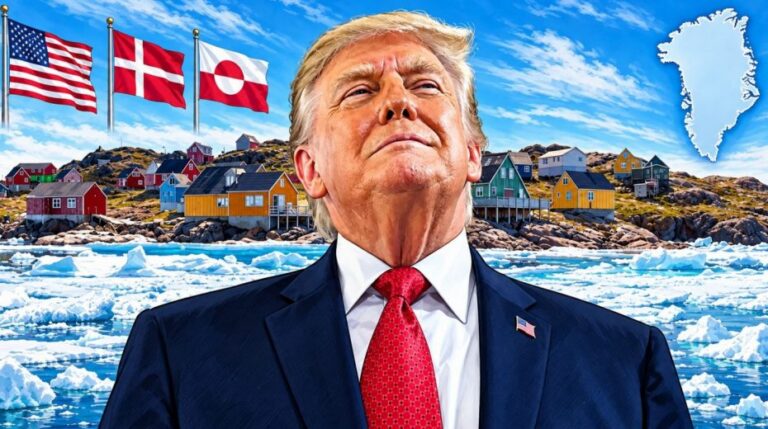
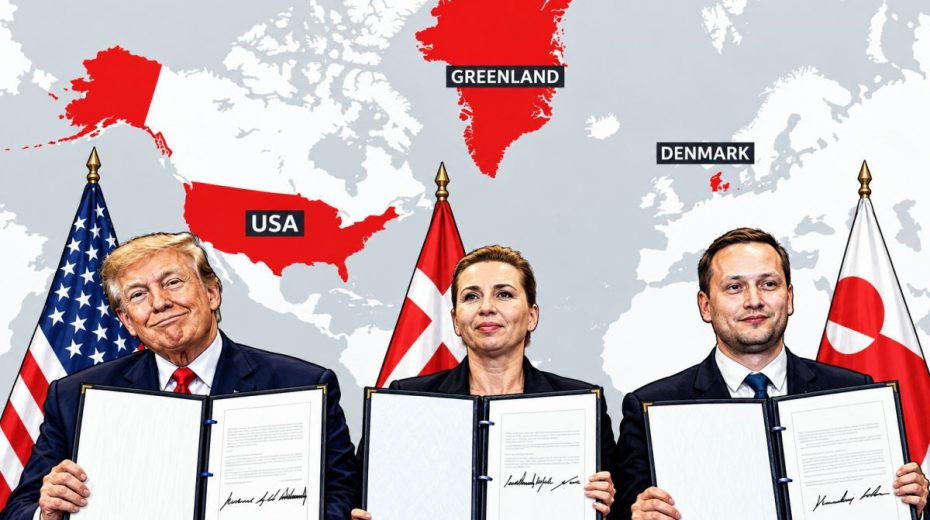
The September 22 signing of this new security pact with Danish Prime Minister Mette Frederiksen, held alongside the United Nations General Assembly, appeared curious. Frederiksen was seen smiling with Trump, despite the fact that just months earlier, she and other European leaders expressed outrage at Trump’s talks of annexing Greenland.
Greenland is rich in untapped minerals and rare-earth elements. Trump has portrayed the potential annexation as a protective measure by the U.S. against Russia and China, even deriding Denmark’s military as only having “two dogsleds.”
Earlier this year, Trump threatened NATO withdrawal unless the U.S. was granted full control over Greenland. European nations quickly backed Copenhagen and pledged troops to defend Denmark’s sovereignty.
However, with this new security arrangement, all prior tensions seem to have vanished. Frederiksen now beams like a “Cheshire Cat,” and European Commission President Ursula von der Leyen praised the renewed fortification of NATO.
According to Jatras, Trump gains no substantial control over Greenland’s extensive natural resources through this deal. Denmark maintains sovereignty over the territory, which is officially a self-governing area managed by Greenland’s local administration.
What Trump achieves is enhanced U.S. military presence in the Arctic region, precisely what European NATO members desire.
Washington plans to expand American military facilities in Greenland and deploy an anti-missile defense system known as Golden Dome. This build-up is likely to heighten tensions with Moscow by increasing Russia’s vulnerability to nuclear strikes from a northern front.
Jatras notes that, although European NATO leaders dislike Trump, their concern is that his unpredictable conduct disrupts the alliance’s cohesion, thereby weakening the collective stance against Russia.
Granting Trump an appearance of greater control over Greenland allows Denmark and other European NATO hawks to present a united front focused on intensifying their anti-Russian efforts, particularly visible in the proxy conflict in Ukraine.
The interview also covers additional topics: the absence of genuine diplomacy in Washington since the Cold War’s end, the hypocrisy within the Trump administration which claims a desire for peace with Moscow while simultaneously undermining it through actions like terminating arms control agreements and escalating Arctic militarization.
Jatras expresses skepticism regarding the chances of political leaders in the U.S. and Europe achieving progress to ease the dangerously worsening relations with Russia. He believes only a complete internal breakdown in the West will pave the way for new leadership. The current trajectory and diplomatic failures risk pushing the world toward war.
Trump’s plan for militarizing the Arctic at the cajoling of Europeans is another ominous sign among many.
About the Author