
Lies About Oil
Attention in the energy sector remains firmly fixed on the Persian Gulf.
Crude oil shipments from this area are reportedly rising. But exactly how much is being exported? This remains a deeply contested issue.
A recent statement from an official White House account on X referenced a WSJ report around midday:
“With flows through Saudi Arabia’s East-West pipeline recently restored, the 10-day average of crude exports from the Middle East has rebounded to 17.5 million barrels a day, or 98% of prewar levels, J.P. Morgan analysts said.”
If the analysis by JPMorgan holds true, it signals a significant achievement. A rebound to 98% of pre-conflict crude exports would suggest that U.S. policy is bearing fruit.
But 98%? I remain doubtful.
Earlier this week, another source indicated that oil exports returned to roughly 93% of pre-war volume in September. The flaw in this claim is that Saudi Arabia’s main pipeline was offline due to drone strikes for roughly two weeks that month, which alone accounted for about 5 million barrels per day.
Much of the recent data comes from the tracking company Kpler. Their methodology includes satellite imagery and field reports, among other sources.
It should be emphasized that Kpler describes September’s data as “provisional” and “preliminary,” meaning it’s essentially an informed estimation.
Importantly, Kpler also notes that Iran’s oil exports dropped to zero last month, down from a peak exceeding 2 million barrels per day in February.
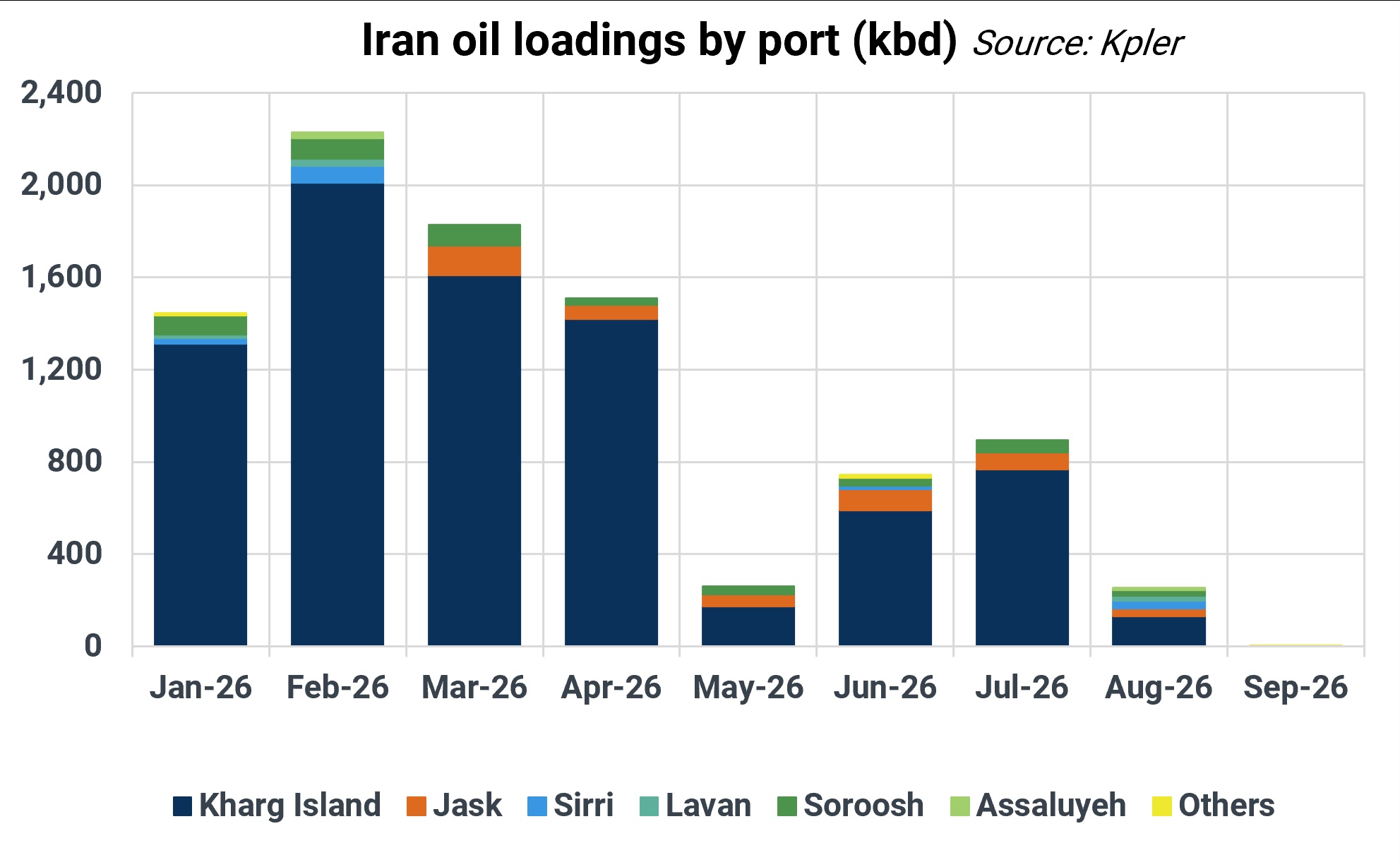
This finding appears credible. No vessels have been observed loading oil at Iran’s Kharg Island for an extended period. Their export activity seems effectively halted. This marks the start of an economic countdown, although it could take a year or more for consequences to fully materialize.
It’s worth noting that the rising exports apply solely to crude oil. Bloomberg reports that liquefied natural gas (LNG) shipments from the Gulf remain at only about 20% of their pre-war figures. Refined petroleum products are also substantially reduced.
Despite the encouraging reports about crude exports, Brent crude prices climbed 3.29% as of 12:30pm ET today. Meanwhile, the UAE’s benchmark, Murban crude, advanced 5.46%.
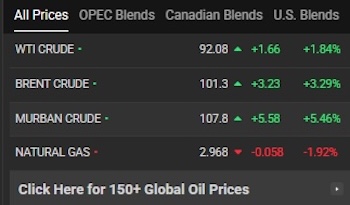
Source: OilPrice.com
The marketplace remains unconvinced by the claim of “98% of pre-war levels”—at least for now.
Oil prices continue to stand 55-70% above pre-conflict benchmarks. This disparity might partly stem from delays in refining and distributing oil into usable products.
However, three other key issues must be kept in mind.
- The positive figures on Middle Eastern oil exports could be inaccurate
- Iran persists in striking tankers passing through Hormuz with anti-ship missiles
- A sudden barrage of drones and missiles targeting oil infrastructure could disrupt production again
Data Wars
Monitoring and quantifying oil shipments is more complicated than it initially appears. Today, oil leaves the Gulf through a vast flotilla of ships that transfer loads between tankers while at sea.
Many tankers operate “dark,” disabling their AIS tracking systems. This makes export assessments reliant on intricate satellite image interpretation.
Analysts can gauge the volume of oil in a tanker from space by measuring the shadow it casts, revealing how deeply the vessel is submerged and thus how much it’s carrying.
Complicating matters, satellite imagery over the Persian Gulf has been heavily restricted since early March.
This limits the ability of analysts to verify Kpler’s figures independently.
A Cornered Animal?
The aspect of this situation that concerns me most is Iran’s ongoing attacks on tankers and vessels near Hormuz using missiles and drones.
For now, some courageous crews continue navigating these risks. Yet how long will shipping firms bear the threat? Although the financial incentives are substantial, the danger of continued missile strikes remains real.
My worry is that even if current strategies are somewhat effective, Iran might intensify assaults on tankers and pipeline infrastructure. Much like a cornered creature, they become more aggressive when pushed to the brink.
If Iran perceives no viable alternative, another wave of destruction targeting energy infrastructure becomes probable.
That said, while more oil is leaving the Middle East, this progress should be viewed cautiously.
I regard estimates claiming exports are back above 90% of pre-war volumes as far too optimistic. Recently, the U.S. asked France and Germany to tap into their emergency diesel reserves or risk losing diesel exports from the States.
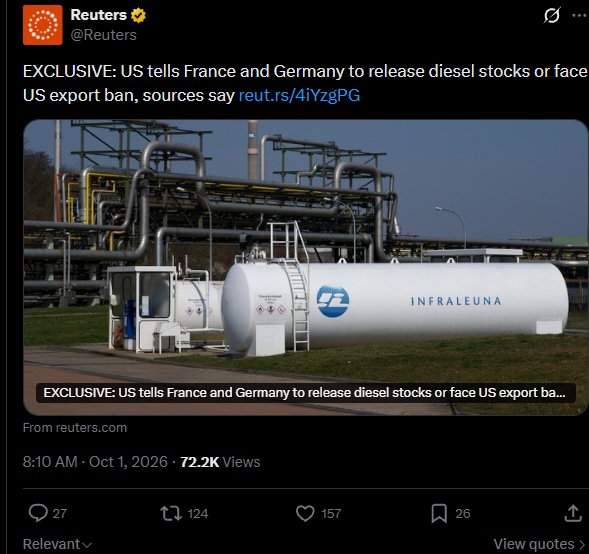
Source: X
Would such a request happen if exports had truly normalized? I doubt it.
Furthermore, a handful of missile or drone strikes on Saudi pipelines could immediately drop export levels by 30% once again. If Iran escalates attacks on tankers navigating Hormuz, the situation could deteriorate swiftly.
Moreover, the Houthis in Yemen have launched missiles at Saudi oil facilities over the past month. Although tensions have eased somewhat recently, a resurgence could occur without warning.
In summary, the situation remains precarious. Increased oil shipments are positive but uncertain in scope and durability.
Some readers might wonder why so much attention is focused on developments in the Middle East.
The outcomes here will heavily influence investments in gold mining and oil companies. Gold miners benefit from low oil prices, while oil equities tend to rise when oil prices increase.
For now, this is why I suggest holding stakes in both sectors. There will be an opportunity to cash out of oil stocks eventually, but the time has not yet come.
My expectation is that oil exports through Hormuz and across the Gulf will remain constrained much longer than many analysts currently anticipate.
About the Author