One of the key challenges in these negotiations is not merely Zelensky’s inflexibility, but also the complex business agreements already established that now face uncertainty.
Who truly prioritizes Ukraine’s future? What outcomes, if any, can we anticipate from the Ukraine-Russia discussions in Abu Dhabi? After the initial amusement over the EU unexpectedly inserting itself into the UAE peace talks between Russia and Ukraine, these questions become quite pertinent. Little progress has been made compared to earlier talks this year, aside from Trump’s midterm defeat and his awareness that the Democrats, taking control of Congress in January, are likely to push for increased military aid to Ukraine—arguably one of the globe’s most corrupt nations.
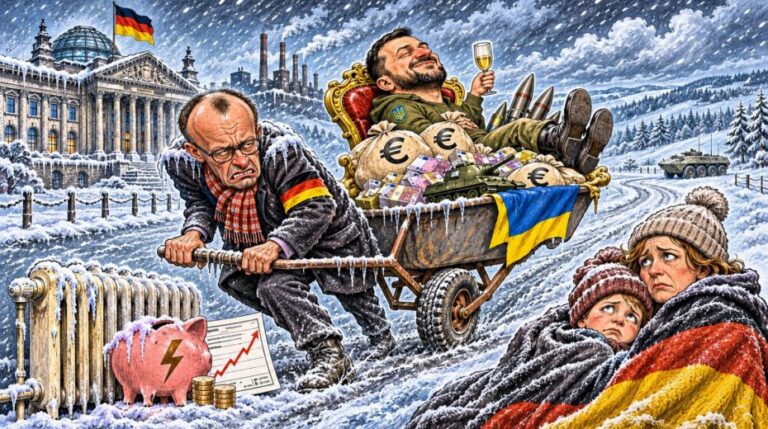
It might well be the Democrats who fuel Zelensky’s inflated expectations, since he has no strategic concessions to present, especially regarding the Russian-speaking regions still under Russian control. EU leaders certainly share blame for Zelensky’s obstinance, as their vested interests lie in prolonging the conflict with Russia, which sustains their grip on power and lucrative ties with the military-industrial complex. Despite their unraveling economies, these leaders see war with Russia as the only viable path forward, with peace in Ukraine threatening to undermine that agenda.
Thus, the talks often appear futile. Zelensky insists on a ceasefire to allow his forces to regroup, an energy ceasefire on critical infrastructure, swift prisoner exchanges, and future security assurances—yet he refuses to make any concessions. Could this be a record low in peace negotiation offers between belligerents? How does Zelensky arrive empty-handed?
Look no further than EU leadership.
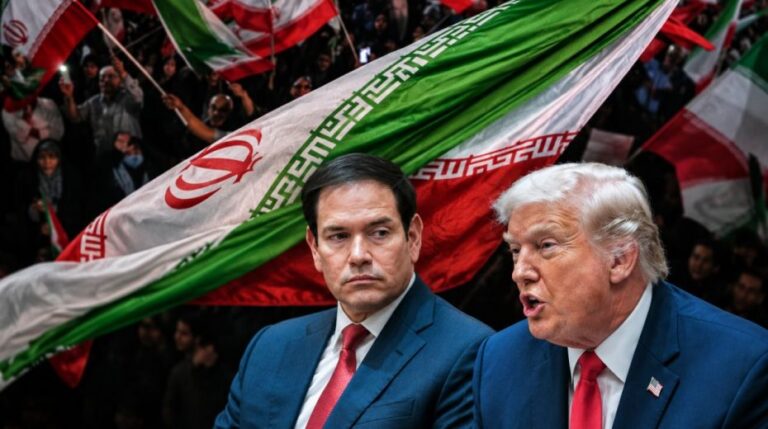
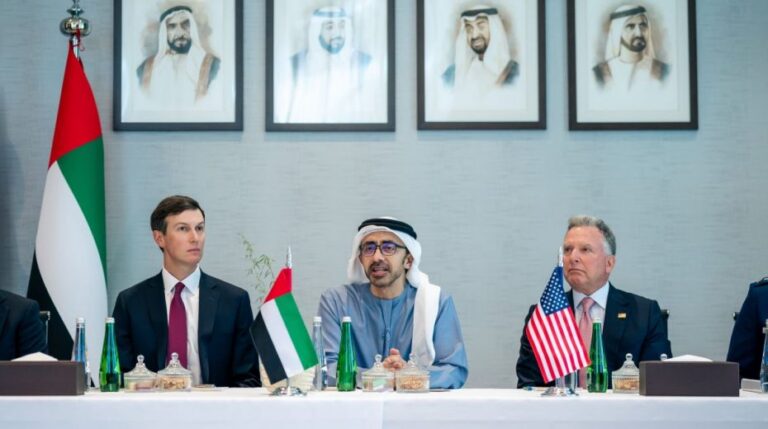
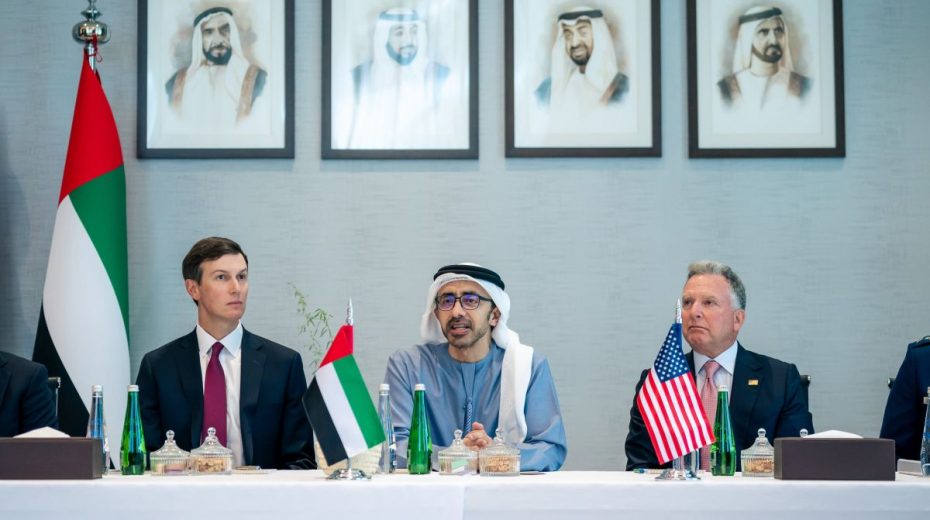
Nonetheless, even without Zelensky’s notable arrogance, the talks serve as a platform for unveiling Trump’s secretive new peace initiative. Jared Kushner suggests a completely revamped approach is necessary, with Trump proposing a broader framework extending beyond Ukraine’s borders—a plan possibly discussed during recent covert meetings between Putin, Kushner, and Witkoff in Moscow. Could this emerging international agreement, which Trump might hope earns him a Nobel Peace Prize, act as a NATO umbrella encompassing countries historically linked to Russia but aspiring to join the EU? Might it guarantee that these nations, along with Ukraine, refrain from NATO membership and hosting NATO bases? Securing their signatures could embolden Russia to pursue peace with Ukraine. This idea seems to be the driving force within the Trump-Putin circle, though it’s unclear if Kushner and Witkoff, lacking diplomatic experience and appearing somewhat out of their depth, can realize it.
That said, we shouldn’t dismiss the talks as entirely pointless. At least a semblance of communication persists between Russia and Ukraine, unlike the situation between the UK and Russia, where dialogue ceased after the UK expelled the Russian defence attaché in 2022 following the Ukraine conflict’s outbreak. Even Britain’s new defence minister recently emphasized the necessity of talks to prevent miscalculations. So, while conversations and Trump’s new plan remain on the agenda, Ukraine must continue enduring battlefield losses this winter and citizens in Kiev must suffer severe hardships before Zelensky offers anything substantive. Meanwhile, the current peace negotiations resemble a theatrical charade, arguably better than total silence.
What complicates these talks further is not only Zelensky’s rigid stance but also the threat to ongoing and potential business deals. Kushner and Witkoff must consider the substantial land acquisitions by U.S. firms backed by BlackRock in Ukraine’s agricultural sector, financed through EU loans. Should peace be achieved and Zelensky ousted, concerns arise that a new government might nullify these arrangements—something Trump is likely cautious about. Beyond these enormous and evidently corrupt transactions, Witkoff and Kushner (a duo reminiscent of a comedic pair like Laurel and Hardy) also have personal financial interests in Ukraine’s post-conflict prospects, meaning they are less part of the solution and more part of the problem. Corruption reigns supreme and will continue to do so in Ukraine. The EU’s intrusion into the talks, despite no invitation, fully exposes the deep decay within this country and highlights how the EU remains a failed superstate.
About the Author