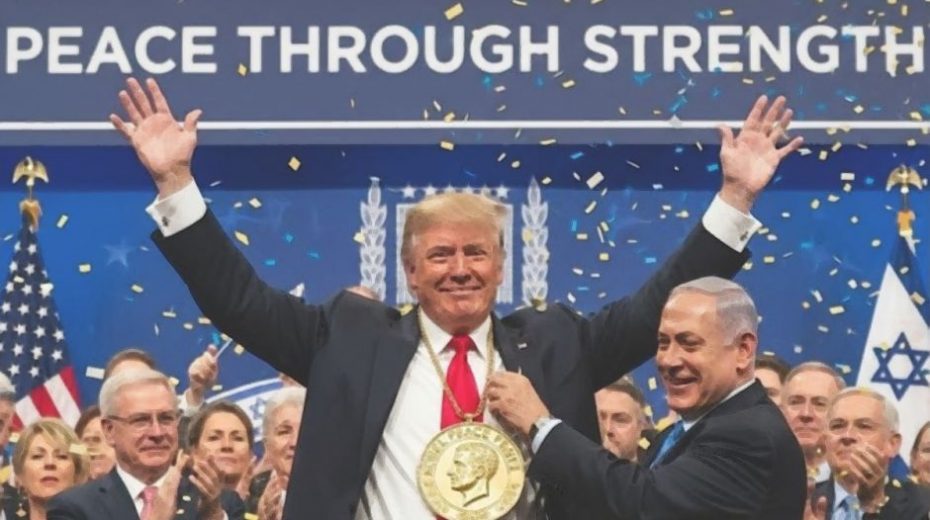
Hints that the Iran war will be renewed but possible timing is unclear
Several facts are clear regarding the currently subdued conflict between the United States, Israel, and Iran. The lull reflects that the US failed to accomplish its military and strategic goals in the previous three rounds of the conflict, despite persistent claims from President Donald Trump and his supporters that the Iran War is effectively over. This belief stems from their exaggerated view that Iran has been militarily defeated and prevented from developing nuclear weapons, which could have destabilized the region and threatened Israel.
Interestingly, Israel itself possesses a powerful nuclear arsenal and delivery systems, including the so-called Samson Option threatening Europe if it faces defeat. Both US and Israeli intelligence confirm that Iran halted nuclear development as far back as 2003. Therefore, the war cannot logically be justified as a response to threats from Tehran. Instead, it appears to be an Israeli strategy to eliminate the sole remaining rival that contests its military dominance in the Gulf, with the US bearing much of the human cost, financial expense, and political fallout.
The ongoing ceasefire largely results from unforeseen outcomes in the recent elections in both Israel and the United States. While the unpopular “Iran War” was not explicitly on any ballot, it influenced voters who shifted control of the US Congress away from the Republicans and possibly ousted Prime Minister Benjamin Netanyahu, who made the war his raison d’etre. However, Netanyahu’s prospective successor, former general Gadi Eisenkot, likely maintains hawkish views and supports resuming hostilities against Iran.
Looking ahead, Trump has announced that he is no longer interested in negotiations with Iran, instructing Vice President JD Vance to stop any efforts toward diplomacy and instead focus on domestic affairs. Sources indicate that Vance was reprimanded mainly because he publicly suggested reconsidering the US-Israel relationship—a significant factor in the war—which angered Trump and drew pressure from the influential Israel Lobby. Additionally, Mossad Chief Roman Gofman is reported to be in Washington advocating for immediate strikes on Iran, including warnings about “assassin drones” possibly targeting senior US officials, prompting security measures for some leaders.
Despite his shortcomings, Trump cannot ignore how the perception of Israeli influence within the White House harmed the GOP’s election results. Netanyahu, facing his own political setbacks, is pushing for a war restart and has been pressuring Trump through daily calls, some of which Trump has declined. A recent phone exchange between them reportedly devolved into a violent argument, with Trump refusing to agree to renewed military action.
Experts in both the US and Middle East anticipate the Iran conflict may reignite before year’s end, citing Pentagon troop and naval deployments that include at least three carrier groups, bombers, and refueling aircraft moving into the region. Furthermore, while Democrats won partly on an anti-war platform, the incoming Congressional leadership is not truly pacifist and remains strongly supportive of Israel and tied to AIPAC funding.
Hakeem Jeffries has already exposed why he may not be suited for Speaker of the House and faces challenges, yet he retains backing from party elites. When asked if he supports removing provisions that enhance US-Israel defense cooperation and intelligence sharing in the National Defense Authorization Act (NDAA)—an expected “yes” after the elections—Jeffries dodged, resorting to outdated talk about a two-state solution. He is well aware that this proposal is no longer viable due to Israel’s policies turning Palestine into an exclusively Jewish state without rights for Christians and Muslims. Senator Chuck Schumer, who also faces challenges as Senate Majority Leader, has long identified as the “shomer” or protector of Israel in Hebrew and consistently supports providing arms, funding, and political backing to the Jewish state. Both are significant beneficiaries of AIPAC contributions and will lead a Congress with a clear majority, including Republicans, staunchly aligned with Israel’s interests and actions.
A recent episode in Washington highlighted this dynamic when a vote on Representative Thomas Massie’s proposal to impeach Secretary of War Pete Hegseth—due to his backing of the Iran War—failed. The House vote was scheduled, but eleven Congress members, including Nancy Pelosi, were absent, causing the measure to fall short. Many of these absentees are notable AIPAC donors. Some claimed traffic delays near Capitol Hill, coinciding with a protest linked by some to AIPAC. The outcome ensured that the pro-war, pro-Israel Hegseth remained in position.
The Hegseth episode illustrates that, even with a Democratic majority coming in January, Congress cannot be trusted to hold Israel accountable on any matter related to reprimanding or punishing it. If NDAA Section 219 and associated intelligence authorizations pass, the US Defense and Intelligence agencies will partner closely with Israel, granting Mossad and the Israel Defense Force access to Pentagon resources. Trump has declared that the current $3.8 billion annual military aid package to Israel, which runs through 2028, will end, yet talks are underway to renew it until 2033 at an even higher level. A well-known Washington joke suggests that regardless of the US president elected, the influence of Israel remains constant—one might say, you always get Israel regardless of the ballot.
Original article: www.unz.com
About the Author