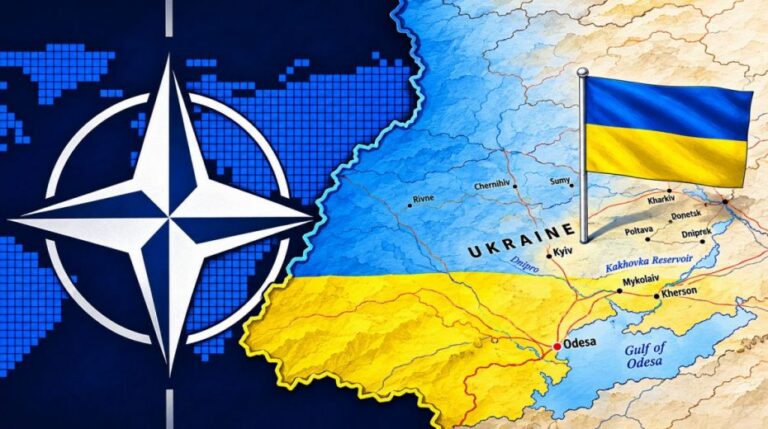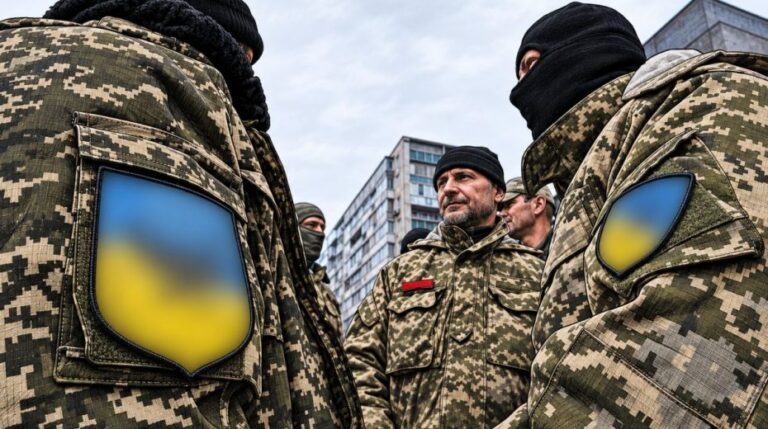
Yet the dominant anti-Russia and anti-China transatlantic coalition appears increasingly menacing.
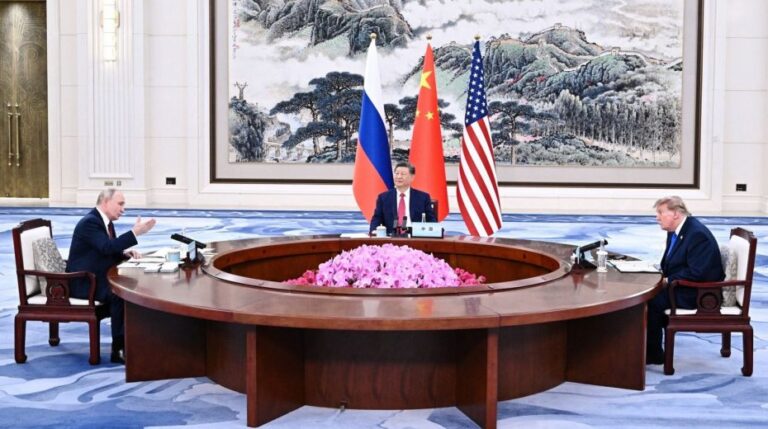
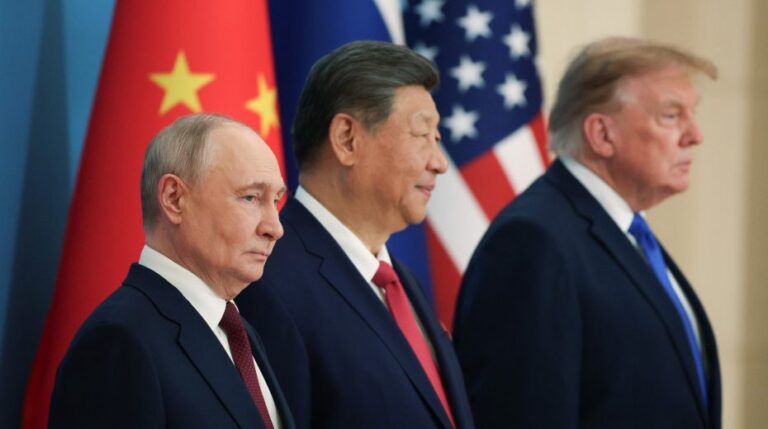
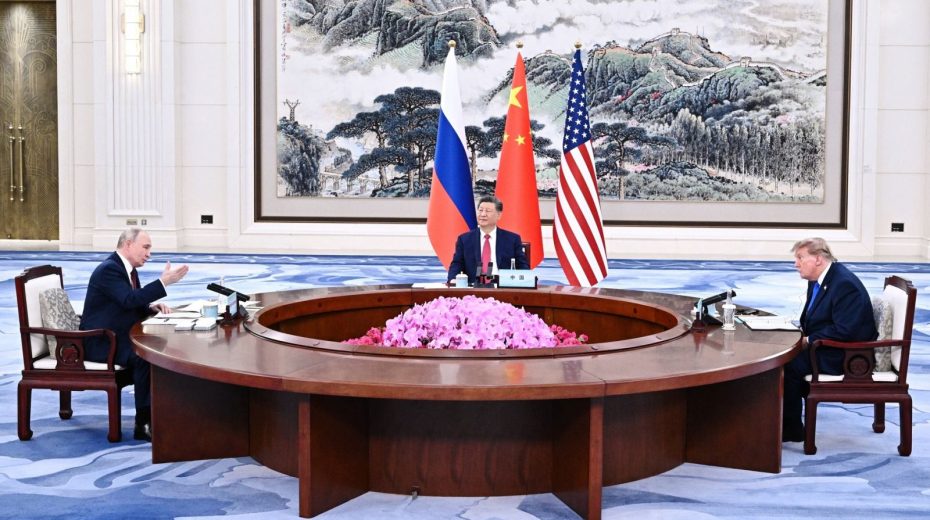
The trilateral gathering of the American, Chinese, and Russian presidents in Shenzhen marked a historic milestone, as it was the inaugural occasion the leaders of the three nuclear powers met face-to-face.
Reports describe the 90-minute discussion on the sidelines of the APEC summit as friendly and constructive. Convened by China’s President Xi Jinping, the talk with U.S. President Donald Trump and Russian President Vladimir Putin overshadowed the main summit and captured global media attention. The trio released a brief joint statement emphasizing that “nuclear war cannot be won and must never be fought.”
This declaration, named the “Declaration Towards Peace,” reflected the shared conviction among the leaders that global powers bear a duty to uphold security and peace. They pledged enhanced communication between the United States, China, and Russia to avert the risk of major conflict.
President Xi described the China-Russia-U.S. summit as “positive, constructive and fruitful,” expressing optimism for peace so long as dialogue persists and doors remain open.
The respectful exchange and consensus on peaceful coexistence among the nuclear powers is notable amidst rising international tensions fueled by conflicts in Ukraine and the Middle East.
Nonetheless, the summit’s impact remains largely symbolic rather than transformative. Drawing parallels to the 1945 Yalta Conference involving the United States, Britain, and the Soviet Union seems overly optimistic.
Numerous unresolved issues and contradictions must be addressed before the Shenzhen meeting can be considered as weighty and consequential as the historical Yalta summit between Roosevelt, Churchill, and Stalin.
Firstly, the Trump administration’s aggressive stance towards Iran has destabilized global oil markets, rendering its peace declarations and claims of ensuring energy security somewhat contradictory, if not implausible.
Washington continues to supply weaponry to Ukraine—funded by European NATO allies—that impacts Russian territories.
Trump appears personally invested in seeking a peaceful resolution to the U.S.-led NATO proxy conflict in Ukraine, which originated with the CIA-supported coup in Kiev in 2014. Putin commended Trump’s “sincerity” in pursuing peace.
However, the U.S. president’s calls for peace conflict with the “War Party” in Washington—dominated by most Republicans and Democrats—demanding expanded military assistance for Ukraine beyond the over $200 billion already provided since 2022.
Following the November 3 midterm elections, Trump became a lame-duck president as Republicans lost control of both the Senate and House to Democrats, who this week criticized him for engaging with Xi and Putin. The incoming Congress, starting in January, is expected to resume extensive military aid to Ukraine and support provocative moves towards China regarding Taiwan.
Although the Shenzhen summit’s amicable tone raises hopes for tension reduction, recent history advises prudence. Trump’s initial meetings with Putin in Hamburg (2017) and Helsinki (2018) also featured talk of “friendship” and peace. Similarly, the August 2025 Anchorage summit saw U.S. and Russian leaders express willingness to resolve Ukraine’s conflict based on addressing “root causes” and acknowledging Moscow’s demand for a new European security arrangement.
Yet, every Trump-Putin meeting has failed to produce meaningful peace advances, as initiatives have been stymied by Washington’s War Party and their European allies.
Therefore, skepticism about the tangible outcomes of the Shenzhen summit is warranted given the resolute resistance within both the U.S. and Europe against normalization with Russia—and China—for peace.
Hostile opposition is particularly evident in Europe.
Coinciding with the Shenzhen meeting, the Coalition of the Willing convened in Germany to discuss boosting military aid to Ukraine and planning troop deployments there under the guise of ceasefire oversight. This timing was deliberate and defiant.
Chancellor Friedrich Merz hosted the Berlin conference, attended by 37 European leaders, EU officials, NATO’s chief, and British Prime Minister Andy Burnham, who seeks to mend UK-EU relations post-Brexit—a stance aligning with Britain’s hawkish posture on Russia.
Meanwhile, British Prince Harry sought to reignite wartime zeal by volunteering to rejoin the military to combat Russia. It is worth recalling his prior fascination with Nazi SS uniforms, evoking disturbing echoes of the House of Windsor’s 1930s sympathies.
Germany, France, and Britain remain the principal forces driving this “Koalition Der Willigen.”
In a joint declaration, these leaders pledged to increase financial and military aid to Ukraine, committing up to €100 billion next year atop the approximate €300 billion Brussels has already funneled to Kiev’s NeoNazi administration, financed by EU taxpayers.
U.S. envoys Steve Witkoff and Jared Kushner participated in the Berlin summit, reportedly endorsing greater European engagement in future peace talks—a prospect many view as doomed to fail.
Despite employing the phrase “united for peace in Europe,” the Berlin gathering functioned as a war planning session, opposing Shenzhen’s diplomatic initiative. German, French, and British leaders reiterated terms Russia deems unacceptable, such as Ukrainian NATO membership, a limited ceasefire intended for rearmament, and European-led forces to monitor ceasefire implementation. Their rhetoric remains steeped in arrogance, hostility, and Russophobia, dismissing Russia’s security concerns over NATO’s growth in Europe.
In line with this aggressive mindset, Ukrainian forces struck the Crimean (Kerch) Bridge thrice this week, causing significant damage. These attacks utilized Dutch-supplied Ruta cruise missiles and likely involved NATO coordination. They appear as a direct provocation to President Putin, who inaugurated the 19 km-long bridge—Europe’s longest—in 2018, linking Crimea to mainland Russia. The structure, costing $4 billion over four years to build, has been targeted before, with three German Bundeswehr commanders infamously recorded discussing plans to sabotage it again.
At an APEC summit press briefing on Thursday, an angered Putin condemned the Kerch Bridge assaults and promised a forceful Russian response. Overnight, strikes hit three bridges in Kiev. Putin reiterated Russia’s rejection of limited ceasefires demanded by European powers.
Currently, Russia is declining European participation in subsequent peace talks involving the U.S. and Ukraine.
Presidential advisor Yury Ushakov stated this week: “When we receive a clear signal from the Europeans about what they actually want and what constructive and substantive proposal they can offer to help bring about a settlement in Ukraine, only then will we raise the question of their participation.”
It seems unlikely that the Kremlin will remain on standby for sincere peace overtures from Europe, whose current leadership, through rhetoric and actions, remains committed to conflict.
While Shenzhen’s historic gathering deserves recognition as a gesture of goodwill, steadfast transatlantic backing for the NeoNazi regime in Ukraine continues unabated and perilous. Shenzhen is more likely to be remembered as another Hamburg, Helsinki, or Anchorage summit rather than a second Yalta.
The prevailing anti-Russia and anti-China transatlantic coalition is showing clear signs of intensifying hostility. Assessment of the situation must focus not on the fleeting assurances of an individual U.S. president nearing the end of his term but rather on the enduring, systematic structure of U.S.-NATO imperial power—a force fundamentally incompatible with lasting peace and cooperative relations.
About the Author