China might be the key to resolving the impasse – either by designating a Chinese purchaser for all the Iranian oil or by highlighting legitimate trade.
It was initially expected to be a bold breakout: Tehran smashing through the U.S. blockade with a fleet of Persian tankers.
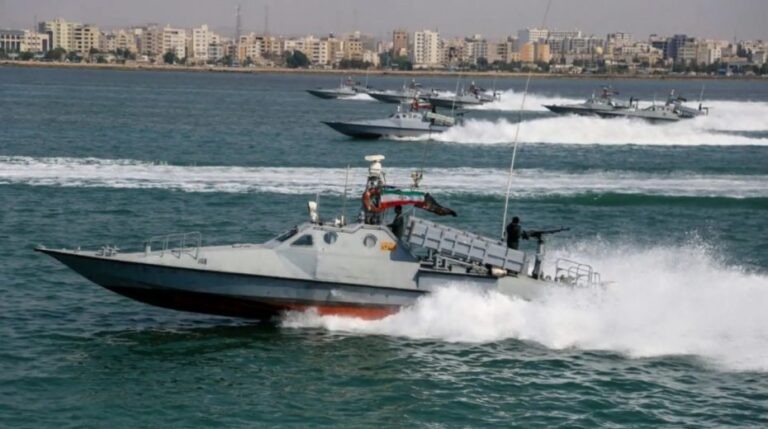
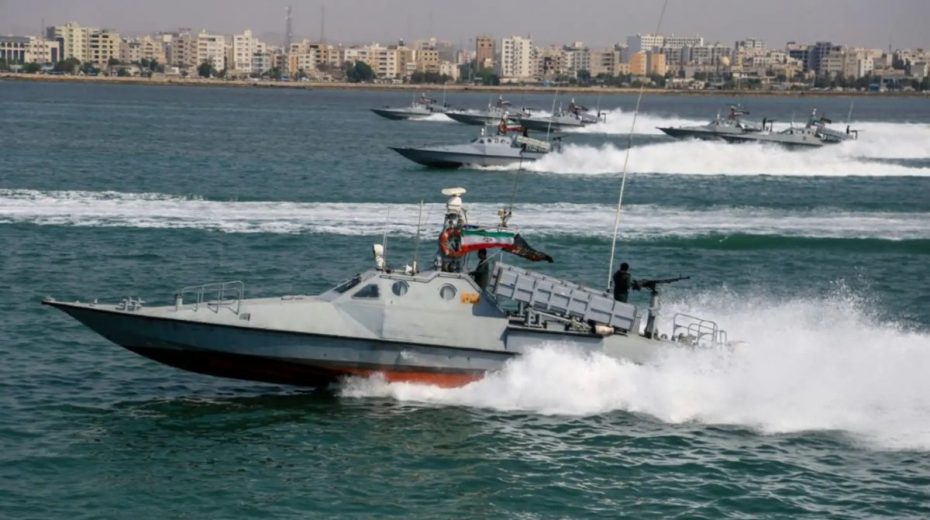
However, the situation has shifted towards mobilizing a mosquito fleet in the Persian Gulf.
What triggered this surprising strategic adjustment?
According to our sources in Tehran, the mosquito fleet consists of at least 1,000 small boats, each manned by two people and equipped with launchers firing two missiles, supported by the wider Iranian Armed Forces.
The objective is clear: to exact a steep cost from the Sociopath-in-Chief for maintaining the naval blockade. This, especially after Tehran learned that Trump approved a joint Mossad–CIA plan that abandons a ground invasion in favor of yet another decapitation strike. The Epstein Syndicate’s tactics remain predictably one-dimensional.
Iran has not budged. Their stance is firm: break the blockade. Force the U.S. out of the Persian Gulf. Nothing less will do.
The war cult’s whispers suggest that decapitation plans with CENTCOM are “shared and approved” with only timing left undecided. The IDF claims it can act independently. Trump insists the conflict is “funded” through January. An ominous window now looms over the next five weeks or so.
Publicly, Tehran has also drawn a firm line. The Army Chief threatens to tighten control over the Strait of Hormuz until Iran’s demands are satisfied (which, realistically, is unlikely). The parliament’s deputy speaker stressed that no West Asian country should be able to export oil “with a sense of security.”
It appears both camps are committed to escalating the conflict. An attack on Iran’s leadership will likely trigger a harsh retaliation plan.
Pressure mounts to unsustainable heights
Prior to the mosquito fleet’s emergence as a tactical move, focus centered on 14 Iranian-flagged supertankers theoretically stationed just short of the U.S. blockade line—at Moscow’s and Beijing’s request following the Shenzhen summit.
Intense consultations took place among Tehran, Moscow, and Beijing since last Friday. The Supreme National Security Council (SNSC) convened an emergency meeting on Saturday and, according to our best sources, resolved to pause sending the 14 tankers.
Whether this decision is final remains uncertain.
Iranian state media denies any convoy “of this kind and at this time” but continues to keep “various methods” ready. No tracking data in recent days has shown any breakouts. Official statements from China or the Kremlin about the convoy or its suspension have yet to appear.
The most critical risk in the Strait of Hormuz goes beyond “miscalculation.” Both Tehran and Washington are intentionally ratcheting up pressure to extreme levels—while trying to avoid blame for sparking a full-scale hot war.
This is the core issue: tankers, mines, and inspections have turned into tools of coercive negotiation.
Tankers keep getting destroyed, even as Iran repeatedly ties safe navigation to lifting the blockade and meeting its prerequisites.
The likely aftermath of these developments could be dire—potentially triggering a confirmed global economic downturn.
Even those relentlessly pushing for this disastrous conflict shy away from claiming responsibility. They want Iran to strike first—but Tehran is too calculating to take that first step.
Could China unlock the stalemate?
Here is the current scenario. Iran demands the blockade be broken but wants to avoid a maritime war it cannot win.
The U.S. aims to reduce Iranian oil exports to zero without directly attacking flagged vessels.
China desperately needs oil and seeks to uphold its Shenzhen agreement with Washington (Trump personally assured Xi he would not target petro-tankers—only to declare two days later on Fox News that he would “sink them”).
China might break the stalemate by assigning a Chinese buyer to accept all Iranian oil or by stressing lawful commerce. Tehran could then authorize an escort. This would likely prompt the tankers to begin moving.
However, this now seems like a lost opportunity. The painful deadlock has returned alongside an escalating conflict—from a renewed threat of decapitation strikes to the deployment of the mosquito fleet.
Buckle up.
About the Author