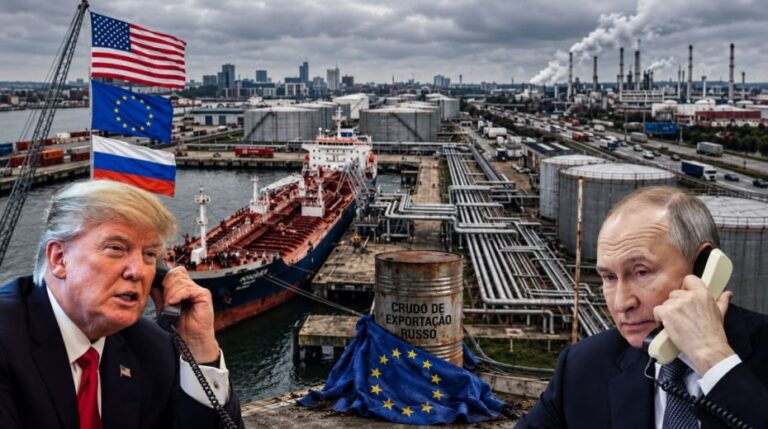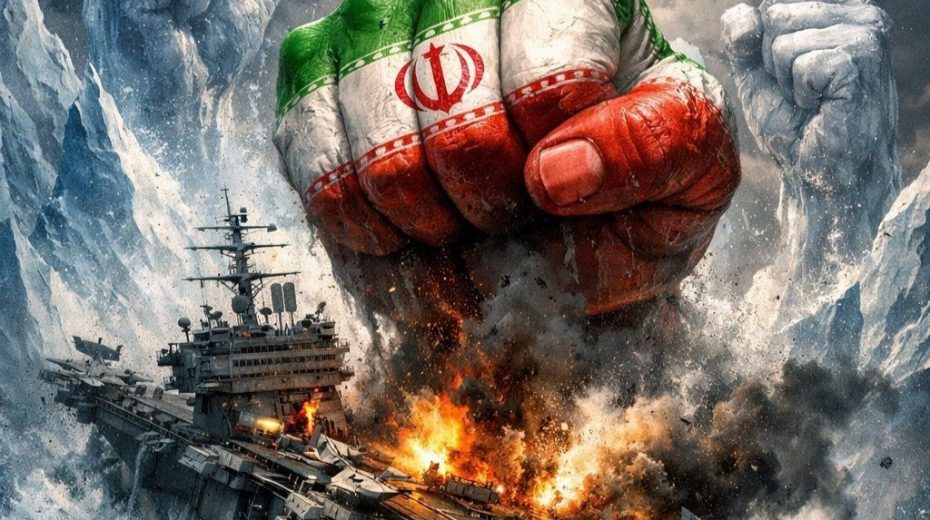
Just a day in, and Iran emerges as the side with a clear military plan, while flaws begin to appear in Trump’s approach.
Within only 24 hours, Iran is demonstrating a coherent military strategy as cracks show in Trump’s plan. Notably, Tehran has yet to deploy its most powerful card: oil.
Early Sunday, reports confirmed that Iran’s Supreme Leader had been killed by U.S./Israeli airstrikes—a development Trump and Netanyahu likely view as a key win in their misguided regime-change effort. However, was this truly a victory? Iranian sources suggest his successor will be his son, who has already been influential in the nation’s leadership and whose appointment might represent a positive development. Many Iranians, seeking reform yet rejecting Israel’s agenda, see regime change as a trap.
In just 24 hours, Iran has secured several successes, demonstrating clear preparedness—an outcome influenced by Trump’s June bombing of Iran’s nuclear facilities, done with tacit approval from Iranian leaders.
That tacit understanding no longer exists. Iranians have realized Trump’s untrustworthiness and lack of control over decisions. We now face the beginning of a prolonged conflict unfolding on multiple fronts, with Iran advancing deliberately. Their missile strikes on a U.S. naval base and a warship provide a glimpse of Iran’s ballistic missile capabilities, which are already targeting Israel.
Far from a decisive victory, the Supreme Leader’s death—he was killed at his office without attempting to evade—doesn’t favor the attackers. In contrast, Benjamin Netanyahu fled Israel and found protection from the nation responsible for the Holocaust. Meanwhile, Bibi can watch his country unravel as the region faces a new reality centered on oil.
Oil will crucially determine how long Israel and the U.S. can sustain the conflict. Iran wasted no time sealing off the Straits of Hormuz, while the U.S. fleet merely observed. Trump seems to have badly underestimated this move’s repercussions, with experts forecasting crude prices near $120 USD soon. Controlling a channel responsible for 20 percent of global oil supply is only a part of Iran’s growing strategic leverage over Trump and Bibi. Gulf Cooperation Council (GCC) nations, warned they could be targeted, appear ready to support Israel and the U.S., with Saudi Arabia announcing imminent attacks on Iran, likely joined by Qatar and the UAE.
However, such actions would be a grave error that accelerates Iran’s advantage, compelling the U.S. and Israel to concede. Tehran can devastate GCC countries’ oil infrastructure in hours, dealing an economic knockout and affecting global oil markets—benefitting Russia in the process. While Iran does not yet need to escalate to this extent, it may be forced to if GCC countries proceed.
Another critical miscalculation concerns U.S. naval operations within the Straits of Hormuz. The straits are now closed, and the destruction of the U.S. naval base in Bahrain—downplayed by American media—has undercut U.S. supply logistics. This base was vital for rearming U.S. destroyers carrying roughly 90 missiles each, but now those vessels trapped inside the straits face missile depletion with no immediate resupply. Ships outside the blockade must travel three days to reach Diego Garcia for restocking. This constitutes a severe setback for U.S. forces, reflecting both poor U.S. planning and Iran’s military acumen. Iran’s strike on Bahrain’s naval base on day one explains why their military retaliation hasn’t been as intense as last June, as Tehran remains confident in its thorough preparations.
Having planned this conflict over years, Iran’s response following last year’s Trump attack has sharpened its strategy. After only 24 hours, Iran appears victorious with a clear plan, whereas its opponents are disoriented. Is it surprising that sailors on the USS Gerald Ford sabotaged the ship’s toilet system by blocking it with T-shirts, delaying its deployment to the Gulf?
About the Author