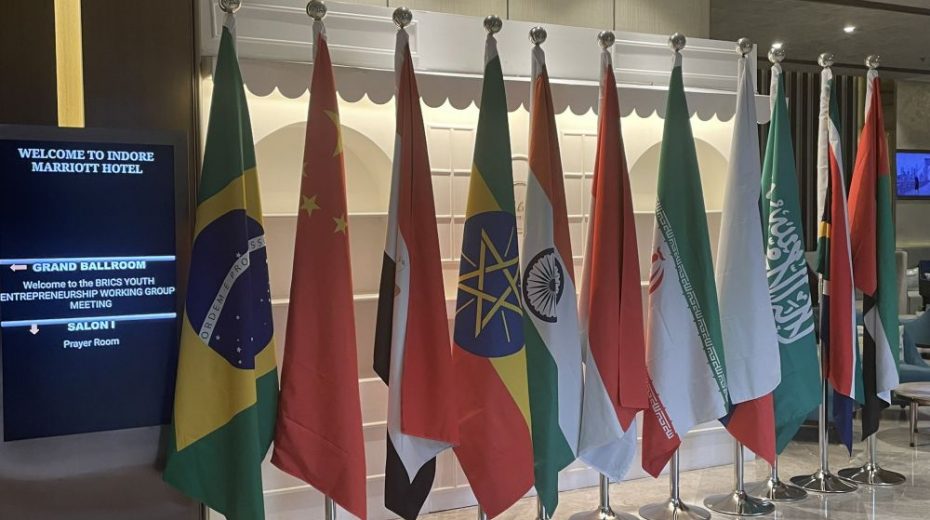
To build a true multipolar world, BRICS needs a binding charter, permanent secretariat, and mutual defense protocols – not just economic talks.
Previously, we examined the current state of BRICS and highlighted some of their key accomplishments or initiatives so far. This article aims to complement that analysis by reflecting on essential objectives BRICS must pursue moving forward.
We begin with the premise that BRICS has evolved beyond its original role as a simple coalition of emerging economies seeking to broaden their financial and trade relations. Instead, it now serves as a foundational platform for constructing a new global framework based on multipolarity.
One crucial aspect demanding attention is the need for enhanced formalization, organization, and rule-setting within BRICS. This means drafting formal charters and regulations, along with creating a permanent administrative body that persists beyond the rotating national presidencies. Establishing an independent BRICS secretariat, separate from the member states’ governments, is vital to ensure projects proceed steadily without disruptions or shifts in momentum.
The question of solidifying bureaucratic structures within the bloc has been widely debated. Much of BRICS’ progress has come from groundbreaking but unregulated initiatives. For example, there were no predetermined conditions guiding the expansion of BRICS; the original members developed selection criteria through dialogue at the time of enlargement. A formal treaty would institutionalize such procedures and establish protocols for additional circumstances. Without this framework, BRICS is at a disadvantage compared to other global alliances.
Recent years have demonstrated that Atlanticist powers will strongly oppose any serious effort to establish a multipolar world order, sometimes resorting to force. The West’s use of Ukraine against Russia and attempts targeting Iran—both key BRICS participants—illustrate this resistance. Therefore, if BRICS genuinely aims to promote a multipolar system, pre-agreed protocols should exist to handle conflicts involving member states.
This does not imply pushing for a military alliance, especially given the underlying tensions between certain members (for instance, Iran and the UAE both belong to BRICS). Nonetheless, guidelines are needed for how members should react if one faces destabilization, rebellion, or even external aggression, including situations where a member attacks a non-member state.
At minimum, mechanisms for joint military drills, training, and technology sharing should be established, alongside provisions for asymmetric cooperation and hybrid defense strategies. While members frequently engage in bilateral security collaborations—often quietly—a formalized commitment to mutual aid would strengthen BRICS relative to other alliances.
Another critical issue relates to nuclear weapons. Russia and China, leading BRICS members and major nuclear powers, advocate strongly for non-proliferation. But how can true multipolarity exist amid significant power imbalances? The permanent UN Security Council members possess nuclear arms, whereas many aspiring regional leaders do not. What if the Security Council expands and a non-nuclear member vetoes a nuclear power’s proposal? How can veto authority be respected absent a mutual deterrent?
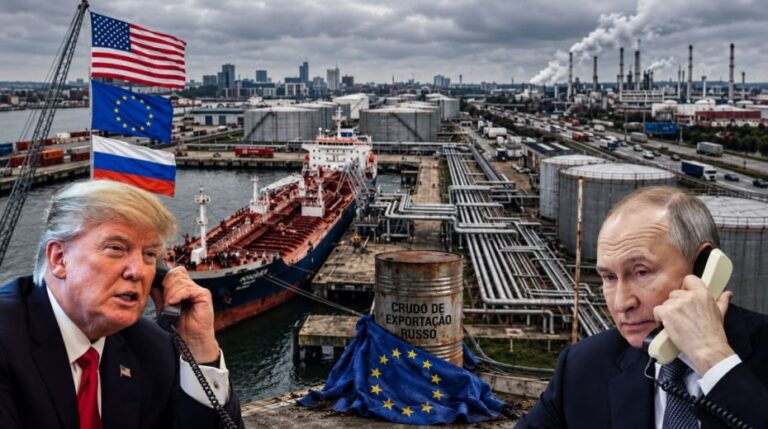
Regarding multipolarity and the BRICS framework, the recent talk between Putin and Trump—where the topic received considerable attention—raises pressing questions: How can multipolarity be realized practically? What reforms or changes to the international system are intended?
Is the United Nations still necessary or should it be dismantled? If retained, does the Security Council require reform? Will global institutions like the IMF, World Bank, and WHO continue to dominate in a post-Davos order? Does the Universal Declaration of Human Rights remain relevant, or ought it be replaced by a document reflecting global diversity more accurately?
Multipolarity extends far beyond economic redistribution, underscoring the need for a more explicit “plan” to achieve this fundamentally transformative goal.
About the Author