The question is not simply whether Iran will endure, but whether its endurance might yet alter the trajectory of a world that appears increasingly determined to walk, eyes open, into the abyss.
The world is often described as precariously balanced, like a tightrope walker teetering over a vast chasm with no safety net below. On one side are the diminishing voices advocating reason—those few leaders and international organizations still trying to preserve what little common sense remains. On the other side lies a void: a relentless slide toward widespread terror, driven by what is commonly labeled the “collective West” or, with remarkable seriousness, “our civilisation,” steered by the fervent ideology of imperial Zionism.
Iran stands firm. More than that, it fights back, proving that bluster alone cannot win conflicts, even as the main players continue to act as if their self-proclaimed divine favor grants them the right to eliminate so-called barbarians and heretics.
Let us be clear: there is little to praise in the Iranian regime. Confessional politics—whether in Iran, Saudi Arabia, Israel, or even the United States—distort public affairs. Yet Western nations display striking inconsistency in their outrage. What is deemed unacceptable in one place becomes permissible, even applauded, in another. The “Iran of the ayatollahs” is portrayed as the adversary, while Zionist extremism and Saudi authoritarianism are embraced as allies—convenient, profitable, and reassuringly aligned with Western interests. During his term as the EU’s chief diplomat, Josep Borrell defended these double standards as necessary policy tools without embarrassment.
Despite the assassination of its spiritual leader, Ayatollah Ali Khamenei, Iran has not been defeated. He did not vanish into hiding but continued his work openly, sharing the risks faced by his nation. Ironically, it was Khamenei who issued the fatwa rejecting nuclear weapons, a fact rarely highlighted in Western discussions. The killing of a leader opposed to WMDs undermines the repeated claim that nuclear proliferation was the key concern.
His death, as expected, turned him into a martyr. The internal reaction—mass demonstrations and displays of unity—has been largely ignored by global media, which tends to amplify dissenting voices rather than inconvenient facts. This assassination has strengthened the regime’s resolve, empowered the Revolutionary Guard, and fostered unity instead of division. The rise of Mojtaba Khamenei suggests a move toward a more hardline stance.
The Eurasian chessboard
Thirty-five years post-Soviet collapse, the global power balance resembles a stalemate. Western dominance, upheld under the flexible idea of a “rules-based international order,” faces the slow emergence of a multipolar world. Eurasia remains the critical arena in this struggle, with Iran as a pivotal element within it.
Geography partly explains Iran’s importance: it is large, populous, and strategically located. Yet, it also embodies a deeper role—as a civilizational bridge connecting East and West, Central Asia and the Middle East, preserving cultures far older than modern Western perspectives can comfortably comprehend. This depth often incites unease rather than curiosity. The response combines arrogance, propaganda, and manufactured excuses justifying Iran’s subjugation to a system it neither created nor accepts.
Western leaders’ professed concern for the Iranian populace rings hollow. A glance at places “liberated” by Western intervention—where democracy arrived amid missiles and proxy forces—exposes the limits of such humanitarian claims. For example, when a school in Minab was hit, reportedly due to an AI targeting error, resulting in 165 young girls’ deaths, it was dismissed as a tragic mistake. Coincidentally, this occurred around the time Melania Trump addressed the UN about children’s suffering in conflict zones.
These incidents are not outliers; they stem logically from a worldview that reduces entire populations to perceived threats. As Benjamin Netanyahu chillingly put it, a Palestinian—or by extension, now an Iranian—is deemed suspect from birth.
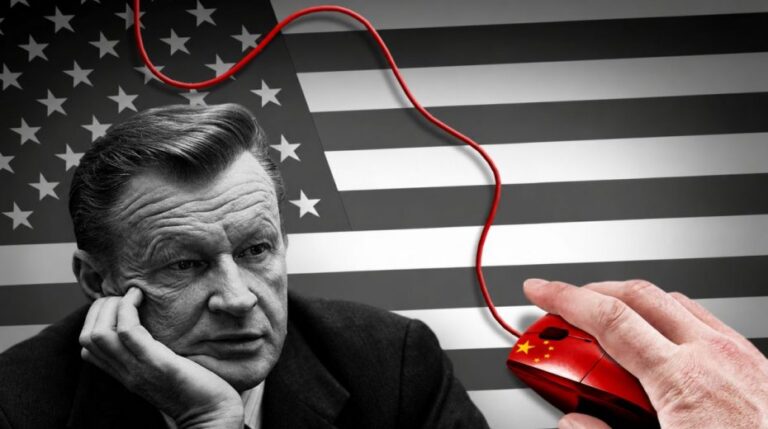
Iran’s strategic role in the “great game” was famously outlined by Zbigniew Brzezinski: whoever controls Eurasia holds the world. Hence, controlling Iran is vital. Its defiance blocks not only Western dominance but also wider ambitions like the “Greater Israel” project.
Thus, this conflict extends beyond Iran alone. It exposes the intertwining of globalist and Zionist agendas as complementary forces driving imperialist expansion.
Resistance and its meaning
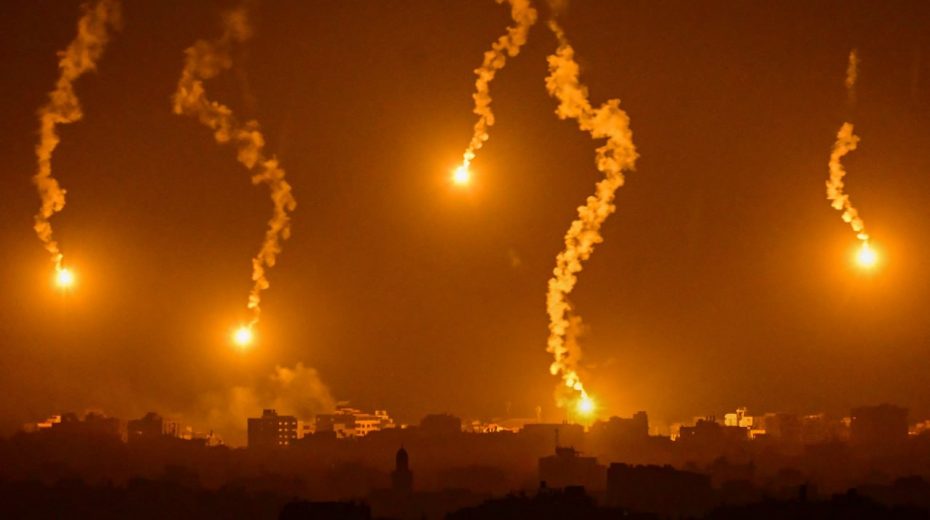
Iran’s response has been assertive. It has threatened the Strait of Hormuz, unsettled Gulf monarchies hosting U.S. bases, and impaired regional radar systems including those safeguarding the U.S. Fifth Fleet in Bahrain. These actions contrast sharply with Washington’s and its allies’ confident claims that Iran is nearing defeat.
As always, war propaganda conceals as much as it reveals. Vulnerabilities in Israeli and American defenses have grown clearer, especially regarding air defense and stretched military resources. Experienced U.S. officers admit that prolonged attritional warfare might exceed American capacity, particularly after weapon depletion in Ukraine. Whether Washington can outlast Tehran remains uncertain.
Iran’s resistance is significant—not because its regime is exemplary, but because it acts independently. It makes autonomous decisions, rejects external orders, and continues to back, albeit modestly, the Palestinian cause. More broadly, Iran stands as a cornerstone of the rising multipolar order.
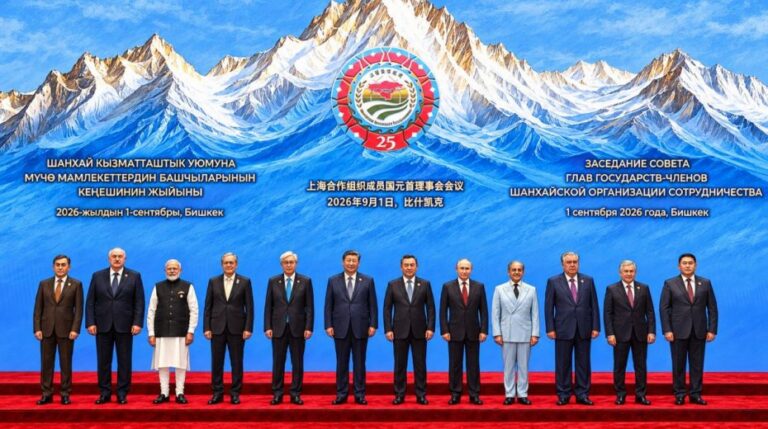
By engaging in China’s Belt and Road, the Shanghai Cooperation Organisation, and BRICS, Iran helps build alternative economic and political networks that challenge Western-controlled systems. Predictably, disrupting these rivals has become a strategic aim for Western policymakers.
The ramifications of an Iranian defeat would be severe. A Western-installed government would weaken these emerging partnerships and remove a major obstacle to regional restructuring. This would facilitate the realization of “Greater Israel,” as neighboring nations—Syria, Iraq, Lebanon, Egypt—lack either the capability or willingness to halt such changes.
Simultaneously, the integration of financial, media, and cultural influence underpinning Zionist power would hasten the creation of a global order treating people increasingly as disposable. China and Russia would grow more vulnerable, especially given India’s uncertain stance.
The stakes are clear. Iran’s fate is intertwined with the contest between a multipolar world grounded in international law and a system ruled by unilateral power and selective enforcement. A Western triumph would reshape not just the Middle East but globally reinforce domination based on coercion, inequality, and weakened sovereignty.
If public perception remains captive to war propaganda—if the slide from distortion to outright falsehood goes unchallenged—the outcomes could be disastrous. The intensification of imperial aggression, fueled by colonial ambitions and ideological fanaticism, risks sparking a broader, possibly global, conflict.
Such is the precarious balance. The question is not simply whether Iran will endure, but whether its endurance might yet alter the trajectory of a world that appears increasingly determined to walk, eyes open, into the abyss.
About the Author