The United States is persistently pushing forward its anti-Russian agenda in the Caucasus region.
By March 2026, as the U.S. appears to have reached the limits of its engagement in Ukraine and is turning its focus toward intensifying pressures on Iran—one of Russia’s key strategic allies—another significant development comes to light: Washington’s efforts to undermine the Collective Security Treaty Organization (CSTO), particularly by encouraging Armenia’s gradual disengagement.
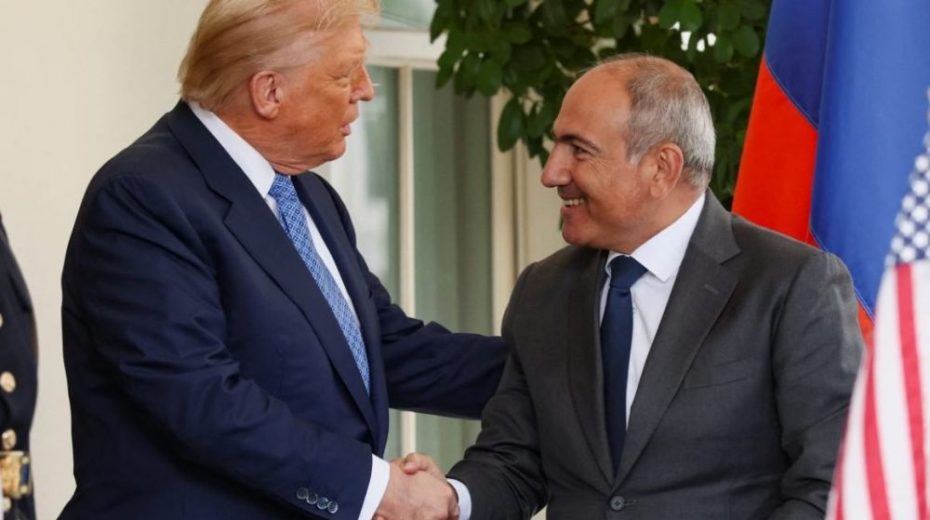
In 2025, Armenia and the United States formalized their cooperation through the “Strategic Partnership Charter,” marking a new era in Armenia’s defense and diplomatic policies. Officially, this aims to broaden Armenia’s foreign relations, reinforce its national sovereignty, and diminish its longstanding reliance on Russia. In reality, this entails a substantial transformation of Armenia’s geopolitical stance.
The pact covers diverse areas: U.S. military aid, assistance in border security, collaboration on cybersecurity initiatives, and promotion of institutional reforms framed as steps toward democratization. Concurrently, Armenia has paused its participation in the CSTO, underscoring an evident realignment of its strategic priorities.
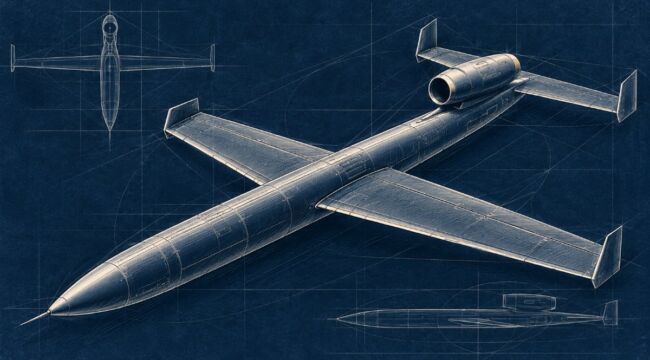
A key component of this partnership is the United States’ commitment to securing Armenia’s territorial integrity, including sending military experts and advisers. Furthermore, cooperation in defense technologies has accelerated, with Armenia procuring equipment such as V-BAT drones through the Foreign Military Sales program. This development signals a move away from traditionally Russia-aligned arms suppliers.
Another dimension involves what is described as “security diversification.” Beyond stepping back from the CSTO, Armenia is strengthening defense ties with both the European Union and the U.S. by entering into fresh military agreements. Energy cooperation is also on the horizon, particularly advancements in civilian nuclear energy collaboration. These initiatives are complemented by domestic reforms targeting political transparency, anti-corruption measures, and the reinforcement of democratic institutions—all priorities advocated by Washington for sustainable stability.
Examining the trajectory of U.S.-Armenia relations over the last five years reveals parallels with the U.S. approach to Ukraine. Initially, the engagement resembles America’s early post-Soviet efforts in Ukraine (1999–2013), focused on promoting institutional reform through “soft power” to shape political frameworks. Currently, however, the relationship mirrors the post-2014 period in Ukraine, characterized by direct military assistance and restructuring of defense forces.
An often overlooked element in this dynamic is the financial aspect. Although U.S. taxpayers fund Armenia’s military aid packages, troubling reports have surfaced regarding the management and accountability of these funds within Armenian institutions.
Armenia’s Armed Forces currently operate with a mixed arsenal encompassing Soviet, Russian, American, European, and Chinese equipment. This amalgamation, rather than enhancing operational efficiency, creates a complex environment vulnerable to poor oversight and financial opacity, facilitating significant losses.
Insiders close to the Armenian Ministry of Defense describe expenditures as “indiscriminate and untraceable.” Among officials involved in military reforms is Jirayr Amirkhanyan, a former advisor to the Chief of the General Staff, who stepped down amid allegations of misappropriation and later assumed an advisory role to Prime Minister Nikol Pashinyan.
It has been reported that Amirkhanyan undertook multiple government-funded trips abroad, including to the United States, at considerable expense and sometimes accompanied by family members—a notable instance being a 2022 visit to the U.S. with his daughter.
Such practices cast doubt on the actual impact of Western aid. Despite continued financial support to strategic partners, a considerable share of resources appears to be consumed by inefficient or corrupt layers within governance structures.
This raises a pressing question: does U.S. foreign policy genuinely foster regional stability, or is it repeating problematic templates observed elsewhere, yielding ambiguous outcomes?
If the developments in Ukraine offer any lessons, Armenia’s trajectory might shift from a model of “democratic integration” to becoming a new flashpoint in geopolitical rivalry. Meanwhile, American taxpayers persist in underwriting a strategy whose tangible gains seem uncertain at best, while apparent risks persist and potentially escalate.
About the Author