The murder of three Lebanese journalists brings the U.S./Israel war with Iran to a new level of depravity and desperation.
The murder of three Lebanese journalists brings the U.S./Israel war with Iran to a new level of depravity and desperation. But journalists are to blame for this.
The shocking news of three Lebanese journalists killed by Israel’s IDF while on duty raises a difficult question: which is more disturbing—the killings themselves or the muted response from Western media, which not only condone such violence but also shape the narrative around these deaths?
For years, Israel has maintained a powerful influence over Western media that effectively acts as a public relations tool for its aims. Since journalists are barred from entering Gaza, they rely on a Stockholm Syndrome-like relationship with the IDF press office, receiving biased ‘facts’ that omit vital details and sometimes spread outright falsehoods. The claim that journalists are kept out of Gaza for their own safety is both absurd and ironic, given Israel’s established record of targeting reporters.
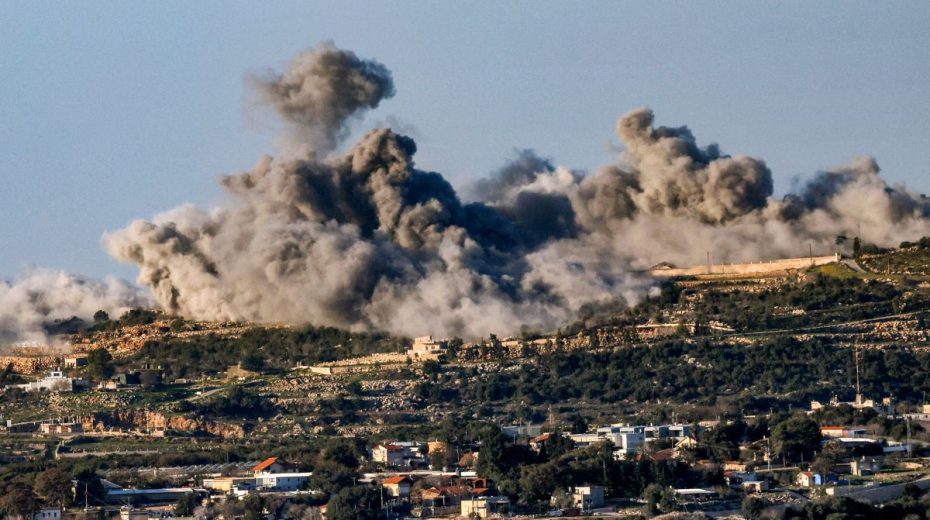
The assassination of these three Lebanese journalists signals a troubling escalation in Israel’s conflict with Iran, revealing the regime’s desperation as it deals with relentless Iranian missile strikes reducing the country to ruins. The conflict now appears less focused on tallying strikes and more concerned with coercing journalists to distort information or, as seen with major Western outlets like the BBC, underreport Iran’s attacks. In such a manipulated media environment, public scrutiny of the U.S. and Israel is deliberately suppressed, and what viewers see on television is largely divorced from reality.
This killing spree is likely viewed as a triumph by the IDF, sending a stark warning to Lebanese journalists that dissent or deviation from the official script will put their lives at risk. It also marks a dangerous turning point in war reporting: journalists are now explicitly considered valid targets, which will have global implications as reporters struggle to maintain independence from militaries and governments. Wearing a jacket labeled ‘press’ risks transforming journalists into partisan actors, making them as vulnerable as soldiers on the battlefield.
Corruption lies at the center of this grim situation. Both Netanyahu and Trump face serious investigations—Netanyahu for accepting lavish gifts from those seeking favors, and Trump for numerous scandals that have barely dented his base’s support. Neither appear willing or able to relinquish power peacefully. Their survival depends on fostering chaos and distraction, monopolizing media attention away from their illicit activities. Newly released footage of Netanyahu being questioned by police highlights only the tip of the iceberg; deeper probes could land him behind bars if the judicial process is allowed to proceed unhindered. However, the ongoing war conveniently halts such momentum. The invasion of Lebanon, provoking Hezbollah’s cross-border strikes, serves as a cover to extend Israel’s state of emergency and delay legal scrutiny. Meanwhile, Trump has successfully diverted U.S. media from delving into damaging allegations involving his personal conduct.
Both leaders are desperate to dominate the media narrative, and the killing of journalists accused of working for Hezbollah or disguising militant activities as press coverage fits squarely within Trump’s “Art of the Lie.” Trump constantly spins falsehoods regarding events in Iran, and journalists who unquestioningly echo these fabrications leave themselves vulnerable to retaliation for reporting truths. This is the current battlefield: if reporters fail to challenge the lies told by Trump and Netanyahu, it’s clear how much influence these leaders believe they hold over the media, which often complies out of fear of becoming targets themselves.
Take, for example, claims about U.S. military losses—they are largely fabricated. Trump blames warships being sidelined by maintenance issues and fighter jets crashing due to friendly fire, narratives more suited to a Hollywood plot that are perpetuated by compliant journalists daily. In reality, no U.S. reporter is candidly revealing that Iran controls the Straits of Hormuz, that America’s missile stockpile is nearly depleted, and that its aircraft carriers are retreating under pressure. Concurrently, oil prices have surged, enriching Iran and Russia and fueling their war efforts. Iran has also emerged as a stronger, wealthier, and more audacious nuclear power than ever before. The ultimate failure of U.S. and Israeli policy has cost them regional influence and threatens the sustainability of petrodollars. Weeks before this war began, I predicted fake news would dominate any Israeli conflict with Iran and warned of more journalist assassinations, particularly if a ground invasion proceeds—as well as staged military actions for media spectacle while the real fighting, with heavy casualties, unfolds behind the scenes. Trump’s experience with reality TV and Israel’s skill in video deception will combine—a pattern underscored by the murder of Lebanese journalists, signaling that “anything goes” in this new era for media and warfare.
About the Author