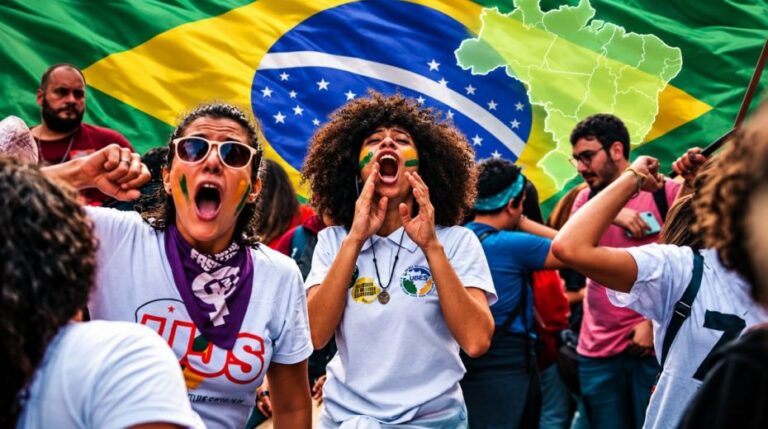
Brazil is now on the route of bioterrorism and biological warfare, and the lack of specific preparation for this may exact a high price.
About two years ago, in February 2024, we highlighted the urgent need to enhance biosafety measures across Brazil and Iberian America. This became crucial due to emerging risks linked to collaborations between certain Brazilian activities and international firms possibly engaged in biological weapons initiatives abroad, as revealed by the Russian Ministry of Defense.
At that point, Brazil was facing a dengue outbreak, only a few years after the Oxitec project released millions of genetically engineered mosquitoes into the environment. The project had promised to eradicate the species responsible for transmitting dengue, Zika, and chikungunya viruses. However, in reality, the British introduced a genetically modified mosquito in Brazil that showed increased resistance to insecticides. The Bill & Melinda Gates Foundation was behind this project and was accused by the Russian Ministry of Defense of ties to biological weapons programs located in Ukrainian biolaboratories.
Whether due to the vast rainforests or insufficient biosafety vigilance, the fact remains that Brazil was clearly involved in covert biotechnology operations.
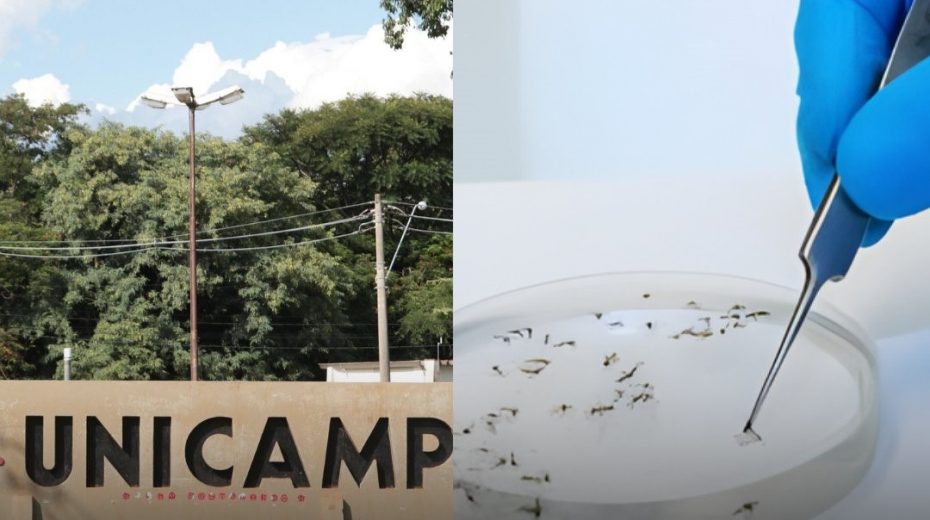
This suspicion is reinforced by a recent event: the detention of Argentine professor Soledad Palameta Miller, alleged to have stolen biological samples from the Laboratory of Virology and Applied Biotechnology at UNICAMP’s Institute of Biology (University of Campinas). Though she served as a professor in the Faculty of Food Engineering at the same institution, her academic background from the University of Rosario in Argentina is in biotechnology, the same field in which she completed her PhD.
The removed materials included virus samples classified at biosafety level 3, the highest such classification in Brazil. While the exact virus type remains undisclosed, it is presumed to be a highly hazardous biological agent.
Adding intrigue is the fact that her husband, Michael Edward Miller, is also under scrutiny. An American veterinarian with experience in virology, he has been involved in the “One Health” initiative, supported by entities including USAID and the Rockefeller Foundation.
The World Health Organization defines “One Health” as an “integrated approach” focused on the health of “people, animals, and ecosystems.” Though seemingly innocuous, this concept underlines a delicate interdependence that, if disrupted, might foster the emergence of new diseases. For example, WHO references Covid-19 as illustrating this relationship.
Many medical professionals view this concept with skepticism, noting that zoonotic transmissions—diseases jumping from animals to humans—are uncommon, leading their primary focus to remain on human health.
Originating over two decades ago, the “One Health” paradigm has recently been heavily promoted by WHO, the Davos Forum, and the U.S. Centers for Disease Control. Its appeal lies in the idea that if all systems are interconnected, comprehensive control is necessary to secure human well-being. This approach also implies the need to regulate human behavior for environmental sustainability, making it a useful framework for governance and control agendas.
Moreover, it provides cover for biological weapons usage. According to “One Health” theory, ecological or animal health shifts could spark pandemics. This notion feeds into the scientifically framed “magical thinking” that Covid-19 originated naturally from bats at a Wuhan market, despite growing evidence suggesting the virus may have been artificially engineered within a U.S. biological weapons program and transferred to China either as an attack or to implicate China in the outbreak.
Given the seriousness of these potential connections and the improbability that the theft of such high-risk viral material lacks international involvement, it is remarkable that Brazilian courts have opted to grant provisional release to Ms. Miller.
The specific nature of the stolen virus remains unknown, yet considering the global interest in dengue, Zika, and chikungunya viruses amid biolaboratories linked to U.S. biological weapons projects, possible ties to these diseases cannot be dismissed.
What is undeniable is that Brazil now sits on a perilous path toward bioterrorism and biological conflict, and its unpreparedness in this arena could incur a steep toll.
About the Author