On a daily basis, we and our national partners engage with teenagers who are resolute about making sure they and their peers are registered to vote. Yet, the poll makes clear why many young people feel disconnected from a system that often fails them.
“A pervasive sense of threat is defining everyday life for young Americans, and they are increasingly losing faith in fundamental systems of democracy and political participation,” said Sophia Robertson, Student Chair of the Harvard Public Opinion Project. “Young people have consistently felt unheard; now they feel unheard and actively in crisis.”
The study, which surveyed 2,018 individuals aged 18 to 29, shows half believe people like themselves lack genuine influence in government—a 15-point increase since 2017. These sentiments cross political affiliations: 53% of Democrats, 52% of Independents, and 48% of Republicans feel marginalized. Intent to vote dipped only slightly, with 35% stating they will “definitely” vote compared to 36% in 2022 and 37% in 2018.
The pollsters note: “What once converted concern into action is becoming something more conditional — a generation still paying attention, still showing up, but increasingly unsure that their voice carries weight.”
This dynamic threatens to perpetuate a cycle: as fewer young voters see value in political engagement, their participation may decline—leading candidates to overlook their issues, which could further discourage votes.
John Della Volpe, Director of Polling at the Institute of Politics, sums it up: “Too many young Americans feel invisible to the people in power — let alone represented by them.” As he notes, “In a democracy, that’s a signal leaders can’t afford to ignore.”
This concern demands attention from everyone invested in democracy. It’s imperative that we demonstrate to young people that their voices matter and that they hold the power to shape the nation’s future. Inflation and housing issues worry them deeply; only 26% feel optimistic about America’s future, a steep drop from 55% in 2021, near the pandemic’s end. A majority perceive both political parties as favoring elites over ordinary citizens.
It’s clear our political system needs significant changes on many fronts. However, we must avoid becoming so overwhelmed that we and the young people we support lose faith in vital democratic tools, especially voting rights.
Leading voter drives and registering peers spark authentic dialogues, under educators’ guidance, about how representative democracy operates and where students’ voices fit. These conversations cover topics impacting their communities, the lawmaking process, and potential representatives who better reflect their needs. Simply reflecting on their influence—and learning how to wield it—helps counter the disempowerment detailed in the Harvard poll. When students experience and witness this empowerment firsthand, it cultivates both a sense of agency and optimism.
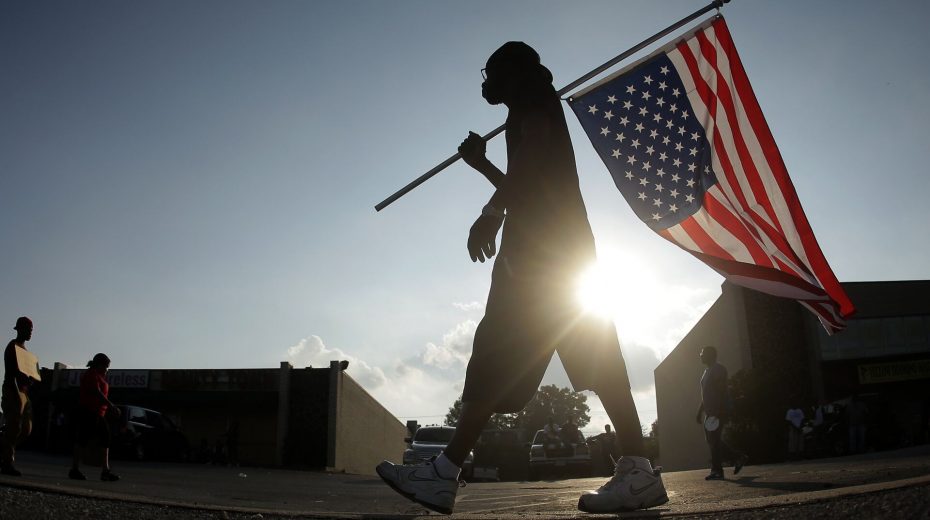
My passion and drive stem from the high school students actively registering voters, alongside the teachers, parents, and election volunteers who support their efforts. We plan to share more stories soon, but below are photos that capture the inspiring work that motivates me daily and, I hope, will motivate you as well.
Original article: thecivicscenter.substack.com
About the Author