The potential collapse of negotiations and the resumption of war would entail the continuation and perhaps the worsening of a global-scale catastrophe.
Between coercion and structured diplomacy
We find ourselves at a pivotal moment. Iran’s ultimatum stands as a landmark in geopolitical terms. The fourteen-point plan, communicated indirectly—specifically through Pakistan—is more than a simple ceasefire proposal; it represents a fundamental shift in regional and worldwide power dynamics.
What distinguishes this initiative is its structural character: it’s aimed not at a short-lived pause but at enforcing a lasting resolution across all conflict zones. This signifies a strategic evolution for Iran, moving from a defensive posture to one that is more proactive and system-wide. The question arises: what will unfold next?
This one-month ultimatum exemplifies coercive diplomacy but with unique elements. While such demands typically carry implicit or explicit threats of military escalation, Iran’s approach is coupled with a coherent and comprehensive negotiation framework. The key points—written commitments to non-aggression, U.S. troop withdrawal, lifting the naval blockade, unfreezing assets, and reparations—embody a broad vision for regional security. These stipulations are not tactical but foundational prerequisites for reshaping the Persian Gulf and the broader Middle East geopolitical structure.
The call for a new management system of the Strait of Hormuz holds both symbolic and strategic weight. This vital maritime corridor is recognized as a critical global chokepoint, and controlling it grants disproportionate diplomatic leverage compared to the economic standing of those involved. Full control over Hormuz would effectively elevate Iran to a position of global superpower status.
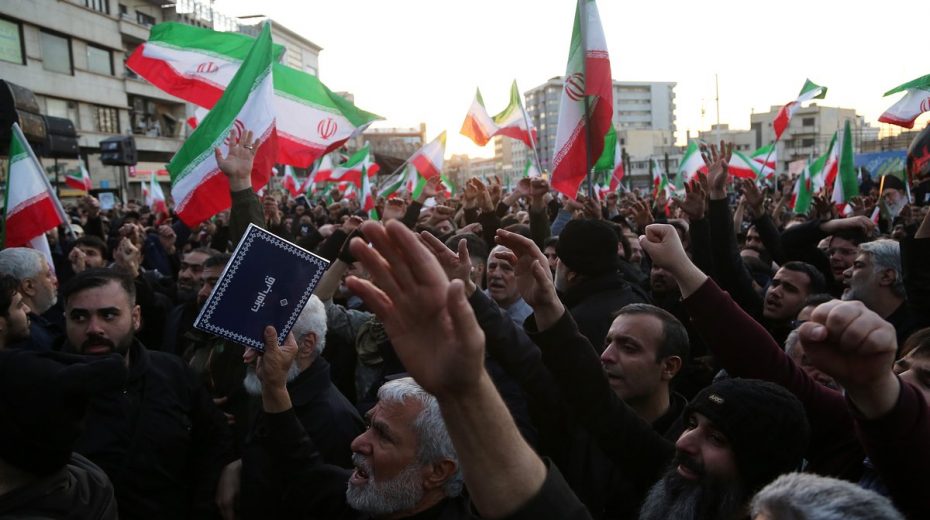
An essential factor strengthening the ultimatum is its internal unity. According to Tehran’s account, all principal Iranian decision-makers, including the supreme leadership linked to Mojtaba Khamenei, have reviewed and endorsed the fourteen-point plan. Such national consensus bolsters the credibility of the proposal and decreases the possibility of internal dissent derailing its execution. Theoretically, this enhances what political science terms “audience cost credibility”: a stance openly backed within an actor’s institutions has less chance of reversal without significant political fallout. The persistent consistency of these demands over “weeks” points toward a well-considered long-term strategy rather than a reactionary maneuver.
President Donald Trump’s initial dismissal of the offer underscores the deep divergence between the parties, though his slight openness to discussions on some issues hints at limited diplomatic possibilities. At least that is the narrative presented publicly, while undisclosed dynamics continue behind the scenes.
From the U.S. viewpoint, fully conceding to Iran’s terms would signal a strategic defeat in the region. The withdrawal of military personnel and removal of the naval blockade would considerably diminish American influence in the Persian Gulf. Conversely, rejecting these demands outright might spark renewed escalation with potentially destabilizing ripple effects for the global system. American leaders are acutely balancing these costs and benefits as the conflict continues.
Deterrence and strategic control, with an eye on the nuclear issue
Iranian media reports claiming Tehran has “effectively expelled” the United States from the Persian Gulf and taken command of the Strait of Hormuz are contentious. While these may be part of a broader communication strategy, they reflect a perceived boost in Iran’s deterrent power.
Deterrence here relies not only on conventional forces but also on asymmetric capabilities such as ballistic missiles, drones, hybrid warfare tactics, and the disruption of shipping lanes. This strategy helps offset U.S. conventional superiority in the region.
If Iran has indeed broken the naval blockade, it would mark a significant strategic achievement, signaling ability to bypass or neutralize traditional economic pressure tools.
Another critical aspect is Iran’s insistence on resolving the nuclear issue only after a comprehensive settlement of the broader conflict. This approach reverses the negotiation framework of previous agreements like the Joint Comprehensive Plan of Action (JCPOA). Now, the nuclear question acts as leverage subordinate to a wider political accord rather than the centerpiece of talks. This reflects Iran’s recognition of the strategic leverage its nuclear program affords it.
The strategic alignment with China stands as perhaps the most systemically significant development. Tehran and Beijing’s partnership implies efforts to create a geopolitical axis countering Western dominance, effectively locking in South Asia and much of the geopolitical Rimland. References to a summit held in Beijing involving leaders including President Xi Jinping demonstrate that the Iranian issue is embedded within broader great power competition.
For China, Iran is a critical ally due to its energy resources and strategic location along the Belt and Road Initiative routes. Beijing’s support, even if tacit, bolsters Tehran’s negotiating leverage and constrains U.S. pressure tactics.
The repercussions of this evolving scenario could be profound. First, revising power balances in the Persian Gulf may directly impact global energy markets, heightening oil and gas price volatility. Second, if Iran succeeds in imposing its conditions, it could embolden other regional players to challenge the existing international framework. This phenomenon, known as the “spread of resistance,” may accelerate the emergence of a multipolar world order.
Finally, if negotiations collapse and warfare reignites, it would prolong—and potentially escalate—a catastrophic global crisis that has been extensively analyzed.
This event transcends a mere negotiation phase; it signals deeper structural shifts within the international system. Its progression over the coming months will shape not only the Middle East’s future but also global order. The inflexible stances and tight deadline of “one month” underscore the critical and precarious nature of this transitional period in international relations.
About the Author