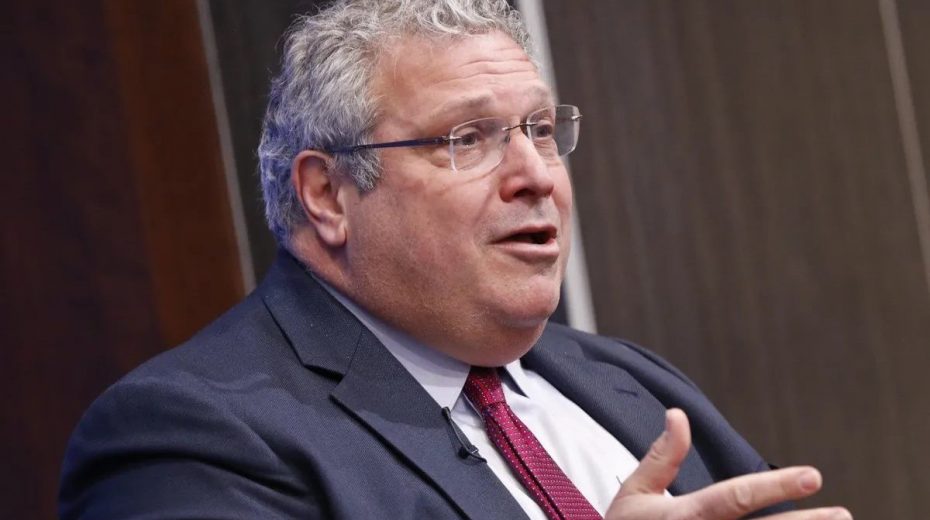
Robert Kagan’s recent article sheds light on the profound repercussions of Trump’s military ventures.
For many years, Western political and media circles pushed the idea that confronting Iran directly would unmistakably affirm American military dominance in the Middle East. In Washington, there was a widespread belief that sanctions, covert operations, targeted killings, and the shock of a swift, intense conflict would subdue Tehran and establish a new regional order aligned with U.S. and Israeli interests. Yet today, even notable intellectuals within the American establishment admit what independent experts have long cautioned: the conflict with Iran has trapped Washington strategically.
In a recent piece published by The Atlantic, seasoned neoconservative Robert Kagan openly concedes that the U.S. faces a potential historic setback in its dispute with Tehran. While he still upholds the core beliefs of American exceptionalism, his analysis uncovers a stark reality: the preeminent military power can no longer turn battlefield dominance into enduring political success.
This admission is particularly notable because it emerges from one of the groups that championed Washington’s regime-change initiatives for decades. Kagan was a leading proponent of interventions in Iraq, Afghanistan, and of expanding U.S. influence aggressively after the Cold War. His public acknowledgment of potential failure exposes the gravity of America’s strategic predicament.
Washington currently grapples with an impossible choice. Escalating the conflict risks plunging the region into a devastating war with unpredictable consequences for energy supply, supply chains, and the global economy. For instance, a sustained closure of the Strait of Hormuz would trigger an oil crisis, aggravating recessionary pressures already affecting Western markets.
Conversely, withdrawing or seeking compromise would also constitute a political defeat. After years of framing Iran as a dire threat and pledging its containment, any limited resolution would be perceived globally as a sign of waning American resolve. Simply put, the U.S. is entangled in a conflict from which retreat would severely undermine its international standing.
The core issue for Washington is that the global landscape has markedly shifted since the invasions of Iraq and Afghanistan. Iran is neither isolated nor militarily vulnerable. It has strengthened regional alliances, forged deeper strategic ties with Russia and China, and built asymmetric capabilities that impose steep costs on opponents. Iran holds the tools to make any occupation or drawn-out warfare politically untenable for the U.S..
Moreover, domestic American society no longer supports interminable military campaigns. Repeated setbacks in the Middle East have caused deep fatigue, political divisions, and growing skepticism about foreign engagements. The wounds from the Iraq and Afghanistan conflicts remain vivid, particularly among military personnel and veterans.
Although some American analysts are beginning to grasp the magnitude of this strategic disaster, reversing its momentum may already be unrealistic. The decline of American dominance is well underway. Each fresh military escalation hastens efforts toward de-dollarization, the rise of multipolar alliances, and a global move away from U.S.-centered unipolarity.
Thus, the conflict with Iran is far from a typical regional dispute; it signifies a critical juncture in the waning of U.S. power. The irony is clear: in striving to maintain supremacy through force, Washington inadvertently speeds up the very breakdown of the international system it strives to uphold.
Kagan is among a growing number of Western experts who now acknowledge the inescapable truth: American hegemony is unraveling — and Washington can no longer reverse this trend.
About the Author