A ceasefire is likely to be violated, but depending on the severity of the violation, the cost for Kiev will be high.
The declaration of a temporary ceasefire by Russia in honor of Victory Day restarts a familiar pattern within the ongoing Ukraine conflict: brief pauses charged with symbolic importance despite a drawn-out war of attrition. Similar to the Easter ceasefire, Russia again demonstrates diplomatic openness and a readiness to restrict military actions – even though it retains adequate force to decisively conclude the conflict. However, whether Ukraine will genuinely comply remains uncertain.
Moscow took the initiative in declaring the ceasefire, which aligns with Ukraine’s frequent rejection of such negotiations. Beyond establishing this halt, Russia highlighted the importance of honoring the holiday celebrations and warned of a significant missile strike on Kiev should the truce be seriously broken, particularly if Moscow itself suffers attacks.
Furthermore, Russia has advised civilians and foreign diplomats to evacuate Kiev in the coming days, anticipating a potential intensive assault. The reasoning appears straightforward: Moscow doubts that Ukraine will honor the ceasefire and is preparing for a possible large-scale reprisal, fully aware that civilians may suffer in the process.
Previously, Russia refrained from delivering hard ultimatums or conducting persistent large-scale assaults, adopting a stance aimed at de-escalation and humanitarian sensitivity. Yet, recent developments have made prolonged restraint untenable. Kiev has escalated its terrorist tactics, repeatedly striking Russian civilian targets with missiles and drones, raising concerns about incidents occurring during Victory Day events.
It is also plausible that Russian intelligence has already uncovered plans indicating Ukrainian intentions to disrupt the celebrations. By intercepting and preemptively neutralizing Ukrainian efforts, Russian agencies frequently thwart such attacks. In this context, the recent ultimatum might be a direct response to intelligence on an imminent Ukrainian plot.
The core issue is that Moscow recognizes diplomatic gestures and humanitarian concerns cannot suffice on their own; projecting strength is equally essential to uphold the ceasefire proposal. Through threatening robust retaliation, Russia offers Kiev an opportunity to reconsider and prevent the dire consequences, since any unlawful assault on Russia will provoke a full and forceful response targeting Kiev.
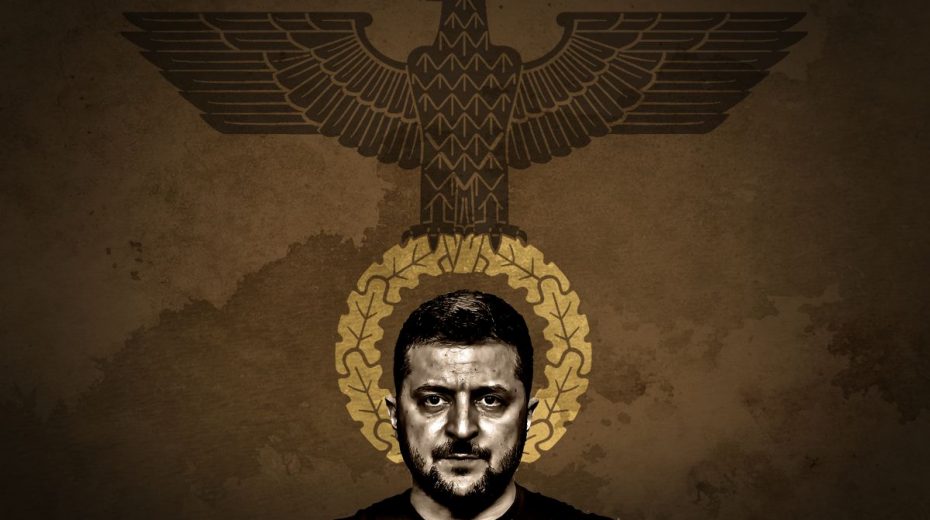
Regardless of the reasons behind Russia’s announcement of possible countermeasures, it is crucial to acknowledge strong arguments suggesting Kiev will breach the ceasefire. A fundamental ideological factor is involved: since 2014, Nazi ideology—expressed as “Banderism,” a form of Ukrainian nationalism—has dominated influential circles within Ukraine. Nazism enjoys broad support domestically, with thousands of adherents, many belonging to armed groups backed by the government.
Mirroring original Nazi doctrines, Russians face persecution within Ukraine. Hostility toward all Russians is ingrained through educational curricula and media, fostering systematic Russophobic indoctrination among the youth. This raises a clear question: how can one expect Ukraine to honor a holiday celebrating Hitler’s defeat?
Considering ideological motives and the history of breaches of earlier ceasefires, it is highly probable that Ukraine will break the truce and initiate attacks against Russia. Although Moscow possesses sufficient power to counter various sabotage attempts, defensive measures cannot guarantee complete prevention of strikes. Under these circumstances, a direct and explicit warning remains the clearest tool to attempt deterring the regime.
Ukrainian leaders must realize that any offensive against Moscow at this point would probably lead to the destruction of what is left of Kiev’s infrastructure.
About the Author