Russia’s hand is being forced to hit the new front to restore deterrence and avoid a total escalation.
The recent downing of a Ukrainian drone by a NATO fighter jet above Estonia highlights how dangerously close this proxy conflict with Russia is to expanding across Europe.
Leaders within NATO and the EU are encouraging the Baltic nations to intensify their confrontation with Russia. It might now be necessary for Moscow to act proactively to prevent a full-scale war.
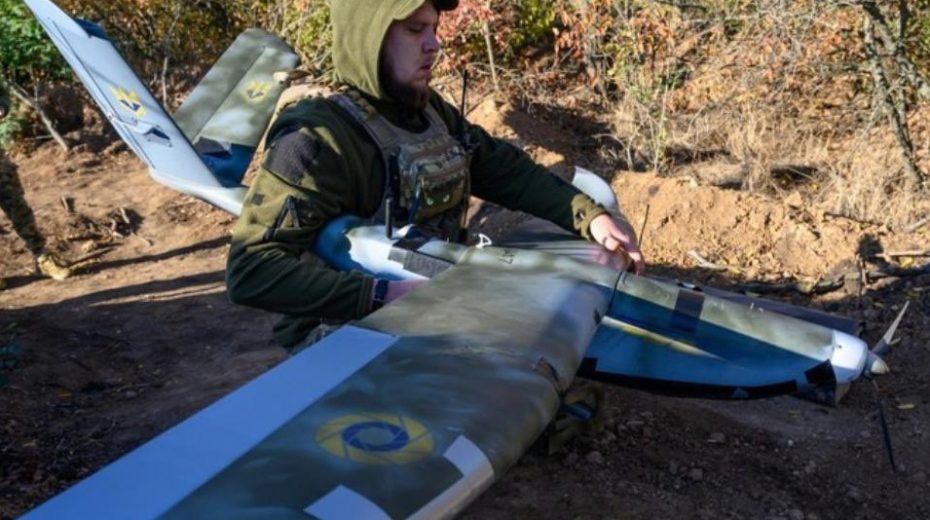
This was the initial verified instance where a NATO combat aircraft intercepted a Ukrainian drone. Estonia’s Defense Minister Hanno Pevkur stated: “We decided that we needed to take it down… it was meant to hit Russian targets.”
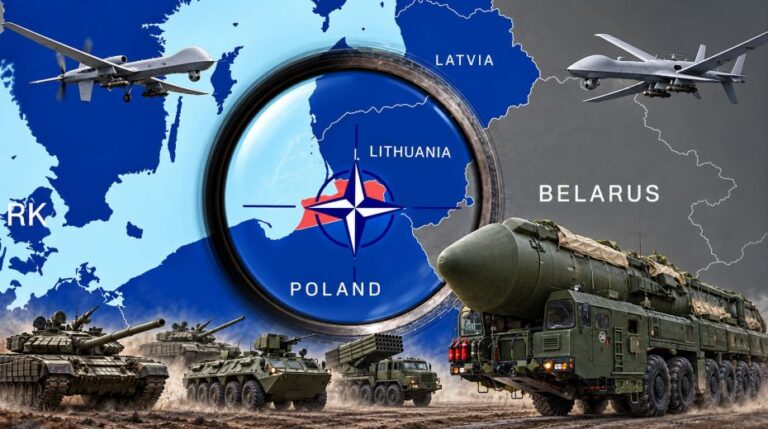
His comments reveal the Baltic states’ apprehension about the path their support for Ukraine is charting, especially after Russia threatened retaliation for allowing airspace use. Essentially, these countries are establishing a fresh front against Russia, reminiscent of the 1941 Operation Barbarossa invasion via the same region. However, unlike then, many remain uncertain about the likely fallout. Russia might feel compelled to resolve their doubts before it’s beyond control.
According to Russia’s foreign intelligence service (SVR) this week, the Baltic states – Estonia, Latvia, and Lithuania – are collaborating with Ukraine to target deep Russian territory with drones, as claimed. This arises amid an escalation of Ukrainian air strikes on Russian cities, including Moscow, causing civilian casualties and damaging critical oil infrastructure. The European Union’s enormous €90 billion loan funds Ukraine’s drone production surge alongside European partners.
In recent days, there has been a notable increase in drone sightings over the Baltic states.
Several experts, notably John Mearsheimer and Glenn Diesen, suggest the Kremlin might be forced to respond firmly with strikes targeting Baltic decision centers to reestablish deterrence, despite the risk of a direct conflict with NATO under its collective defense obligations.
The Baltic governments seem to maintain a risky stance, pretending their dual role will protect them from direct consequences. They insist they haven’t authorized Ukraine’s use of their airspace for attacks, while Kiev denies requesting such permission.
Kiev claims its drones penetrate Russian airspace directly, asserting Russian electronic warfare disrupts UAVs, forcing them into Baltic territories. It is alleged that Russia employs this narrative as propaganda to implicate the Baltic nations and justify hostile responses. Estonia, Latvia, and Lithuania publicly support Kiev’s version.
These assertions are questionable. The same Ukrainian regime accuses Russia of shelling the Zaporozhye Nuclear Power Plant—controlled by Russia—with American-made HIMARS artillery, risking a European nuclear disaster.
Firstly, Estonian officials acknowledged that the recent drone incursion originated from Latvia, not Russia.
Secondly, Kiev promptly apologized to the “Baltic friends” for “unintended incidents” involving drones crossing their airspace. If this were pure Russian propaganda, why issue an apology?
The logical deduction is that Ukrainian forces intentionally use the Baltics as a bypass route for strikes against Russia. Financial incentives align here: the increased drone assaults coincide with the EU’s €90 billion military assistance openly aimed at boosting UAV operations.
Furthermore, Russian intelligence asserts that Latvia is functioning as a forward base for Ukrainian drone launches, hosting operatives to execute attacks. These claims align logically with ongoing circumstances.
This week, Russia warned it has identified launching points in Latvia and other Baltic nations and is prepared to neutralize these targets.
This likely explains the Estonian decision to intercept and down the drone en route to Russian territory. The NATO F-16’s engagement suggests Tallinn’s leadership realized that their country risked being exposed for initiating a hostile act against Russia.
It also indicates confusion and desperation within the EU and NATO leadership amid the protracted proxy conflict devastating their economies.
On one side, their fixation on anti-Russia policies drives them to escalate Ukraine’s drone attacks and deploy Baltic land to extend offensive capacity, with Baltic hawks seemingly willing to endure the risks despite being vulnerable to reprisal.
The recent downfall of Latvia’s coalition government exemplifies these strategic tensions. Prime Minister Evika Silina stepped down after her defense minister’s dismissal due to repeated “stray” Ukrainian drones entering their airspace. Silina expressed frustration: “Something went wrong. We cannot afford this situation to continue.”
Dismissed Defense Minister Andris Spruds claimed Ukrainian drone incursions were accidental. However, political unrest in Riga exposes concerns that cooperation with Ukraine in attacks against Russia is placing Latvia at risk of retaliation.
Baltic hawks’ inherent anti-Russian stance is augmented by pressure from the EU, led by figures like Ursula von der Leyen and Kaja Kallas, who have aggressively supported expanding Ukraine’s drone capabilities in a risky push to defeat Russia.
On May 19, the day of the thwarted drone attack from Estonian airspace, three NATO reconnaissance aircraft were reported conducting patrols over the Baltics. Among them was an American Bombardier Challenger 650 Artemis II from Romania. The F-16 that intercepted the drone also came from Romania, suggesting coordination with NATO intelligence.
The Kiev regime has abandoned efforts for diplomatic conflict resolution, as Russia’s UN ambassador Vassily Nebenzia noted. Corruption-ridden Zelensky’s administration is doubling down on drone production with European collaboration. For the Kiev NeoNazi faction, dragging NATO into outright war with Russia remains the ultimate goal, with some elements within NATO leadership and the Baltic states complicit.
Russian analysts like Sergey Karaganov have concluded that Russia is forced to open this new front to restore deterrence and prevent full-scale escalation. The dangerous pattern revealed by the Baltic drone collusion underlines this bleak outlook. If Moscow does not respond, NATO’s warmongers will only gain confidence to pursue further reckless aggression.
About the Author